As pet owners, we all want our furry companions to live long, healthy, and active lives. While heart disease is often associated with older pets, it can affect dogs and cats of any age or breed. Recognising the early warning signs and seeking expert veterinary care can make a significant difference in your pet’s quality of life and long-term health.
Heart conditions often develop gradually, and pets may hide symptoms until the disease has progressed. That’s why regular veterinary check-ups and timely referrals to a heart specialist are so important. If your veterinarian recommends seeing a veterinary cardiologist specialist in Dubai, understanding what they do and when your pet may need one can help you make informed decisions about your companion’s care.
What Does a Veterinary Cardiologist Do?
A veterinary cardiologist is a veterinarian with advanced training in diagnosing and managing diseases affecting the heart and circulatory system. These specialists evaluate heart function using advanced diagnostic equipment and create personalised treatment plans to improve your pet’s comfort and quality of life. An experienced animal cardiologist in Dubai can diagnose both congenital (present at birth) and acquired heart conditions in dogs and cats.
Common Heart Conditions in Dogs and Cats
Heart disease can affect pets in different ways depending on their age, breed, and overall health. Some commonly diagnosed heart conditions include:
- Heart valve disease
- Cardiomyopathy
- Congenital heart defects
- Heart murmurs
- Arrhythmias (irregular heartbeats)
- Heart enlargement
- Congestive heart failure
- High blood pressure affecting the heart
Early diagnosis often allows veterinarians to manage these conditions more effectively.
Signs Your Pet May Need a Heart Specialist
Many heart conditions develop slowly, making it important to recognise subtle changes in your pet’s behaviour or physical health.
- Persistent Coughing: A cough that continues for several days or weeks may indicate an underlying heart condition, especially when accompanied by other symptoms.
- Difficulty Breathing: Laboured breathing, rapid breathing, or shortness of breath should never be ignored. If your pet struggles to breathe comfortably, seek veterinary attention immediately.
- Reduced Energy Levels: If your normally active dog or cat becomes unusually tired or reluctant to exercise, it may indicate reduced heart function.
- Fainting or Collapse: Episodes of collapse or fainting may occur when the heart cannot supply enough oxygen-rich blood throughout the body. These situations require urgent veterinary evaluation.
- Loss of Appetite: Some pets with heart disease may eat less due to reduced energy levels or underlying discomfort.
- Swollen Abdomen: Fluid accumulation caused by advanced heart disease may lead to abdominal enlargement.
- Pale or Bluish Gums: Changes in gum colour may indicate poor circulation or reduced oxygen delivery. This should be assessed by a veterinarian without delay.
Which Pets Are More Likely to Develop Heart Disease?
Although heart disease can affect any pet, some animals have a higher risk.
These include:
- Senior pets
- Certain dog breeds with inherited heart conditions
- Cats prone to cardiomyopathy
- Pets with obesity
- Animals with chronic health conditions
Routine health examinations help detect early changes before symptoms become severe.
How Veterinary Cardiologists Diagnose Heart Disease
Heart disease cannot always be diagnosed through a routine physical examination alone. An experienced vet cardiologist in Dubai Silicon Oasis may recommend several advanced diagnostic tests.
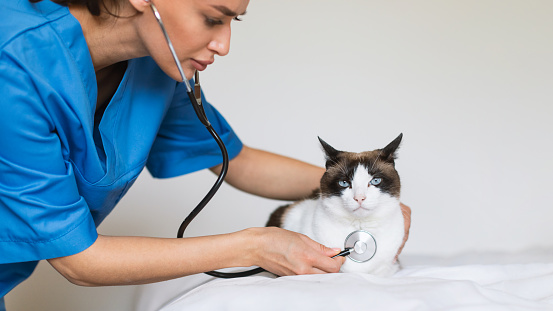
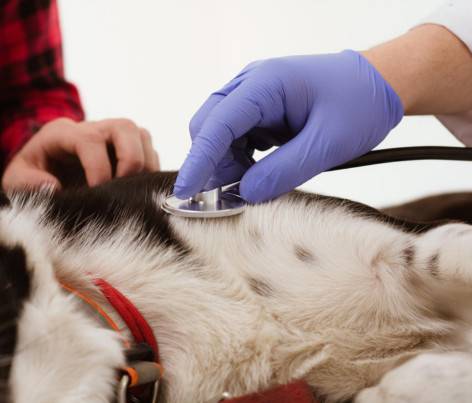
- Cardiac Examination: Listening to the heart with a stethoscope helps detect murmurs or abnormal heart rhythms.
- Echocardiography (Heart Ultrasound): An ultrasound provides detailed images of the heart’s chambers, valves, and pumping function. It is one of the most valuable tools for diagnosing heart disease.
- Electrocardiogram (ECG): An ECG measures the electrical activity of the heart and identifies irregular heart rhythms.
- Chest X-rays: Radiographs help evaluate heart size and detect fluid accumulation within the chest.
- Blood Pressure Measurement: Monitoring blood pressure helps identify conditions that may affect heart health.
- Blood Tests: Laboratory testing provides valuable information about your pet’s overall health before developing a treatment plan.
Treatment Options for Heart Disease
Treatment depends on the specific diagnosis and severity of the condition.
Your veterinary cardiologist may recommend:
- Prescription medications
- Dietary adjustments
- Weight management
- Exercise modifications
- Regular heart monitoring
- Follow-up imaging
- Ongoing specialist evaluations
Many pets with heart disease continue to enjoy excellent quality of life when their condition is managed appropriately.
Caring for a Pet with Heart Disease
Home care plays an important role in supporting your pet’s health.
Pet owners should:
- Administer medications exactly as prescribed
- Attend scheduled follow-up appointments
- Monitor breathing patterns
- Watch for changes in appetite or activity
- Avoid excessive physical exertion
- Maintain a healthy body weight
Working closely with your veterinary team helps ensure the best possible outcome.
When Should You See a Veterinary Cardiologist?
Your primary veterinarian may refer your pet to a heart specialist if:
- A heart murmur is detected
- Abnormal heart rhythms are identified
- Heart enlargement is suspected
- Your pet experiences breathing difficulties
- Chronic coughing continues
- Congenital heart disease is suspected
If your pet requires advanced cardiac evaluation, an experienced dog cardiologist in Dubai or cat cardiologist in Dubai can provide specialised diagnostic testing and ongoing care tailored to your companion’s condition.
Advanced Cardiac Care at Pet Point Veterinary Clinic
At Pet Point Veterinary Clinic, we understand how important your pet’s heart health is to their overall well-being. Our experienced veterinary team is committed to identifying heart conditions early through comprehensive examinations, advanced diagnostics, and personalised treatment plans. We work closely with pet owners to ensure every dog and cat receives compassionate care designed to support long-term comfort and quality of life.
Whether your companion requires routine heart screening, advanced cardiac diagnostics, or referral to a veterinary cardiologist specialist in Dubai, we are here to guide you through every step of the journey. If you’re looking for a trusted vet cardiologist in Dubai Silicon Oasis, Pet Point Veterinary Clinic provides expert veterinary care focused on helping your beloved pet enjoy a healthier, happier life with the support they deserve.
Frequently Asked Questions
1. What are the early signs of heart disease in pets?
Common signs include coughing, breathing difficulties, tiredness, reduced exercise tolerance, fainting, appetite changes, and unusual swelling around the abdomen.
2. When should my pet see a veterinary cardiologist?
Your veterinarian may recommend a cardiologist if your pet has a heart murmur, abnormal rhythm, breathing problems, or suspected heart disease.
3. Can cats develop heart disease?
Yes. Cats can develop several heart conditions, including cardiomyopathy, which often requires specialised diagnosis and ongoing veterinary monitoring.
4. Is heart disease treatable in dogs and cats?
Many heart conditions can be successfully managed with medications, lifestyle adjustments, regular monitoring, and guidance from experienced veterinary professionals.
5. What tests does a veterinary cardiologist perform?
Common tests include echocardiography, electrocardiograms, chest X-rays, blood pressure measurements, and detailed cardiac examinations to assess heart function accurately.
6. Can pets with heart disease live normal lives?
Many pets enjoy happy, comfortable lives for years when heart disease is diagnosed early and managed with appropriate veterinary care.