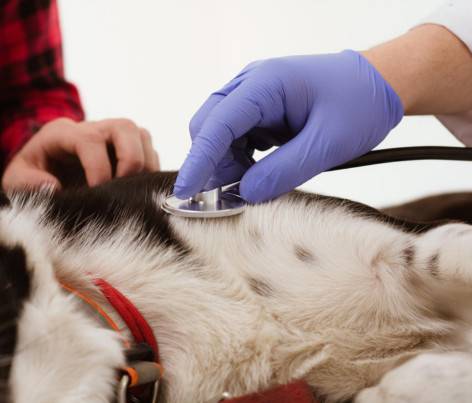
Your pet’s heart is at the center of everything they do, running, playing, cuddling, and simply being by your side. But when heart problems arise, they can be complex, silent, and potentially life-threatening if not treated properly. That’s where the expertise of a cardiologist veterinary in Dubai becomes essential.
While general veterinarians can detect early signs of heart issues, complex cardiac conditions require specialized care, advanced diagnostics, and tailored treatment plans. In a city like Dubai, where access to modern veterinary care is growing rapidly, choosing the right heart specialist can significantly improve your pet’s quality of life.
Let’s explore why a veterinary cardiologist plays such a vital role and how they can help your furry companion live a longer, healthier life.
Understanding Complex Heart Conditions in Pets
Heart diseases in pets can range from mild to severe, and many develop gradually without obvious symptoms. Some of the most common conditions include:
- Heart valve disease
- Congestive heart failure
- Cardiomyopathy (heart muscle disease)
- Arrhythmias (irregular heartbeat)
- Congenital heart defects
These conditions often require ongoing monitoring and specialized intervention, which is why consulting the best vet cardiologist is critical for accurate diagnosis and treatment.
Why General Veterinary Care Isn’t Always Enough
General veterinarians are highly skilled in overall pet health, but heart conditions often demand deeper expertise. A veterinary cardiologist undergoes advanced training specifically in diagnosing and managing heart diseases.
Here’s why specialized care matters:
- Advanced Knowledge: Cardiologists understand the complexities of heart function and disease progression.
- Specialized Equipment: They use tools like echocardiograms and ECGs to assess heart performance in detail.
- Targeted Treatments: They design precise treatment plans based on your pet’s specific condition.
- Continuous Monitoring: Chronic heart conditions require regular follow-ups and adjustments in treatment.
When your pet’s condition goes beyond routine care, a cardiologist becomes an essential partner in their health journey.
Key Signs Your Pet Needs a Cardiology Specialist
Recognizing symptoms early can make a huge difference. Watch out for these warning signs:
- Persistent coughing
- Difficulty breathing
- Low energy or fatigue
- Fainting or collapsing
- Swollen abdomen
- Rapid or irregular heartbeat
- Reduced appetite
- Exercise intolerance
If you notice any of these, seeking pet cardiology treatment promptly can prevent complications and improve outcomes.
Advanced Diagnostic Tools That Save Lives
One of the biggest advantages of visiting a cardiologist is access to advanced diagnostic technology.
- Echocardiography (Heart Ultrasound): Provides a detailed image of the heart’s structure and function.
- Electrocardiogram (ECG): Measures electrical activity and detects irregular rhythms.
- Chest X-rays: Identify heart enlargement or fluid in the lungs.
- Blood Pressure Monitoring: Helps assess cardiovascular health.
These tools allow for precise diagnosis, enabling veterinarians to treat conditions effectively and efficiently.
Tailored Treatment Plans for Complex Cases
No two pets are the same, and neither are their heart conditions. A veterinary cardiologist develops personalized treatment plans that may include:
- Medications to regulate heart function
- Dietary adjustments
- Lifestyle modifications
- Regular monitoring and follow-ups
- Surgical interventions (in rare cases)
This customized approach ensures your pet receives the best possible care for their specific condition.
Managing Chronic Heart Disease: Long-Term Care Matters
Many heart conditions in pets are chronic, meaning they require ongoing management rather than a one-time cure.
A cardiologist helps:
- Monitor disease progression
- Adjust medications as needed
- Improve quality of life
- Prevent emergency situations
With proper care, many pets with heart conditions can continue to live happy and active lives.
Understanding the Cost of Cardiac Care in Dubai
Pet parents often worry about treatment costs. While advanced diagnostics and specialist care may seem expensive, early intervention can actually reduce long-term expenses.
Factors affecting the best cardiologist for dogs cost in Dubai include:
- Type of diagnostic tests required
- Severity of the condition
- Duration of treatment
- Follow-up visits
Choosing the right specialist ensures accurate diagnosis from the start, avoiding unnecessary treatments and complications.
The Emotional Side of Cardiac Care
Heart conditions can be stressful, not just for pets, but for pet owners too. A compassionate cardiology team provides:
- Clear communication about diagnosis and treatment
- Emotional support for pet parents
- Guidance on home care and monitoring
This holistic approach ensures both you and your pet feel supported throughout the treatment journey.
Trust Pet Point Veterinary Clinic for Expert Heart Care
At Pet Point Veterinary Clinic, we understand how important your pet’s heart health is to their overall well-being. Our experienced team offers advanced pet cardiology treatment using modern diagnostic tools and personalized care plans designed to meet each pet’s unique needs.
As a trusted provider of cardiologist veterinary in Dubai, we combine medical expertise with compassionate care to ensure your furry companion receives the highest standard of treatment. Whether your pet needs early screening, ongoing management, or specialized cardiac support, we are here to guide you every step of the way. Choose Pet Point for reliable, expert-led care that keeps your pet’s heart strong, healthy, and full of life.
Frequently Asked Questions
1. What does a veterinary cardiologist do?
ANS- A veterinary cardiologist specializes in diagnosing and treating heart and circulatory system diseases in pets.
2. When should I take my pet to a cardiologist?
ANS- If your pet shows signs like coughing, breathing difficulty, fainting, or fatigue, consult a specialist.
3. Are heart conditions in pets treatable?
ANS- Yes, many heart conditions can be managed effectively with medication and regular monitoring.
4. How is heart disease diagnosed in pets?
ANS- Through tests like echocardiograms, ECGs, X-rays, and blood pressure monitoring.
5. Is cardiac treatment expensive in Dubai?
ANS- Costs vary depending on the condition and tests required, but early diagnosis can reduce long-term expenses.
6. Can pets live a normal life with heart disease?
ANS- With proper care and treatment, many pets can enjoy a good quality of life.