Just like humans, pets can also face heart-related concerns, and the early signs often go unnoticed. As loving pet parents, it’s essential to understand when your furry friend might need help from a veterinary cardiologist who specializes in diagnosing and treating heart conditions. With pet heart diseases becoming increasingly common, timely detection can give your dog or cat a longer, happier, and healthier life.
For pet owners in Dubai, especially in family-friendly communities like Dubai Silicon Oasis, having access to skilled heart specialists can make all the difference. Let’s walk you through the signs, expectations, and the importance of choosing the right cardiologist vet in Dubai Silicon Oasis, all while keeping the information warm and easy to follow.
Understanding Pet Heart Health: Why Cardiology Matters
Your pet’s heart works tirelessly to keep them active, happy, and full of energy. However, factors such as age, breed, lifestyle, and genetics can affect heart function. That’s where veterinary cardiology plays a vital role.
A veterinary cardiologist uses advanced diagnostics and specialized treatment methods to identify issues such as:
- Heart murmurs
- Valve diseases
- Congestive heart failure
- Irregular heartbeats (arrhythmias)
- Congenital heart abnormalities
Because heart issues can be subtle, early diagnosis from experienced specialists, like those in leading vets and pets cardiology clinics, can dramatically improve your pet’s health outcomes.
10 Warning Signs Your Pet Needs a Heart Specialist
Below are the most common symptoms that indicate your pet may need a cardiology checkup. If you spot even one of these, it’s a good idea to get professional advice.
- Difficulty Breathing
Labored breathing or heavy panting even during rest can be a red flag. Pets with heart problems often breathe faster because their hearts struggle to pump blood efficiently.
- Persistent Coughing
A cough lasting more than a few days should not be ignored. Fluid buildup around the lungs due to heart issues can cause chronic coughing.
- Low Energy or Fatigue
If your playful pet suddenly becomes lethargic or tired during short walks, it may indicate that their heart isn’t supplying enough oxygenated blood.
- Fainting or Collapse (Syncope)
This is one of the most alarming signs. Heart rhythm irregularities can cause pets to briefly pass out.
- Swollen Abdomen
Fluid accumulation in the abdomen (ascites) can occur when the heart cannot pump blood properly.
- Loss of Appetite or Weight Loss
Heart-related stress can cause pets to eat less or lose weight unexpectedly.
- Rapid or Irregular Heartbeat
If your pet’s heartbeat seems unusually fast, slow, or inconsistent, a cardiac evaluation is recommended.
- Reduced Tolerance for Exercise
Your pet may start getting tired halfway through a walk or play session.
- Blue or Pale Gums
Changes in gum color can indicate poor blood circulation.
- Restlessness, Especially at Night
Pets with heart conditions often struggle to sleep comfortably.
What Happens During a Pet Cardiology Visit?
Worried about what the process involves? A cardiology consultation is comfortable, safe, and designed to be stress-free for pets.
Here’s what you can expect:
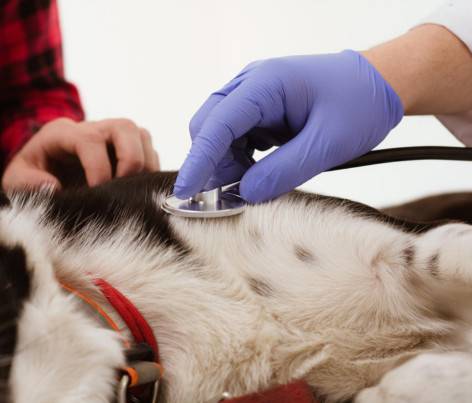
- Physical Exam: Your vet listens to heart and lung sounds.
- Echocardiogram (Heart Ultrasound): This gives a real-time view of the heart’s structure and performance.
- Electrocardiogram (ECG): Used to measure electrical activity and detect arrhythmias.
- Chest X-Rays: Helps identify fluid buildup or heart enlargement.
- Blood Pressure & Blood Tests: Checks organ function and circulation.
These diagnostics help determine your pet’s treatment plan. Many pet parents also want to know about expenses, prices can vary based on tests required, and factors like the pet cardiology cost Dubai Silicon Oasis may differ among clinics. The good news? Choosing an experienced team ensures you get the right care from the start.
Why Early Cardiac Screening Matters
Some breeds including Cavalier King Charles Spaniels, Boxers, Dobermans, Persians, and Maine Coons are genetically predisposed to heart issues. Senior pets also benefit from annual heart checks.
Early screening ensures:
- Timely treatment
- Better quality of life
- Slower disease progression
- Fewer emergency visits
If you suspect anything unusual, it’s always best to speak with a trusted specialist, especially a reliable cardiologist vet in Dubai Silicon Oasis who understands the region’s pet health landscape.
How to Choose the Right Veterinary Cardiologist for Your Pet
A heart specialist isn’t just a doctor, they’re your partner in your pet’s wellness journey. Here’s what to look for:
- Advanced Diagnostic Facilities: Look for clinics offering ultrasound, ECG, and digital X-rays.
- Experienced Cardiology Team: Specialists with years of hands-on experience can detect signs early.
- Comfortable & Pet-Friendly Environment: Stress-free visits help pets stay calm.
- Transparent Costs: Always ask for clear guidance on the pet cardiology cost Dubai Silicon Oasis so you’re prepared.
- Compassionate Care: Heart conditions can be emotional. Choose specialists who care deeply about your pet’s wellbeing.
Pet Point Veterinary Clinic: Is Dubai’s Trusted Heart-Care Destination
At Pet Point Veterinary Clinic, your pet’s heart health is always a top priority. Our advanced cardiology department is equipped with state-of-the-art diagnostic tools, experienced specialists, and a compassionate team committed to giving your pet the care they deserve. Whether you’re concerned about early symptoms, need help managing a long-term heart condition, or want expert cardiac screening for high-risk breeds, we’re here to guide you every step of the way. Located conveniently near Dubai Silicon Oasis, we provide accessible and reliable veterinary cardiac care tailored to your pet’s needs. Trust Pet Point to protect every heartbeat, because your companion deserves expert care that goes beyond routine checkups.
Frequently Asked Questions
1. What does a veterinary cardiologist do?
ANS- A veterinary cardiologist diagnoses and treats heart and circulatory diseases in dogs and cats using advanced technology and specialized medical expertise.
2. When should I take my pet to a heart specialist?
ANS- If your pet shows symptoms such as coughing, fainting, rapid breathing, low energy, or irregular heartbeat, a specialist visit is recommended.
3. Are heart problems in pets treatable?
ANS- Yes. Many heart conditions can be managed with medications, lifestyle adjustments, and ongoing monitoring.
4. How much does a pet heart check cost in Dubai Silicon Oasis?
ANS- The cost varies based on the type of tests needed. Clinics will provide estimates based on your pet’s condition.
5. Can young pets develop heart issues?
ANS- Absolutely. Some heart problems are congenital, meaning present from birth.
6. How often should my pet get heart screenings?
ANS- Senior pets or predisposed breeds should have yearly heart checkups, while others can be screened as needed.