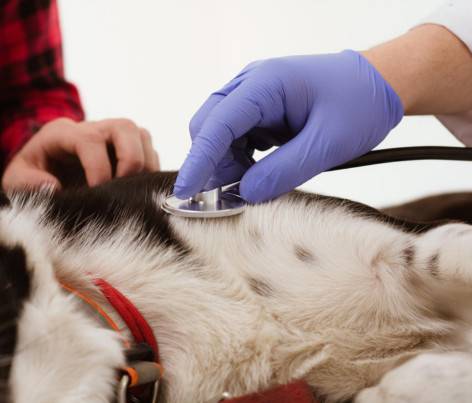
Pets have a remarkable way of hiding discomfort. Unlike humans, they cannot tell us when something feels wrong. This is especially true when it comes to heart disease, which often develops gradually and silently. Many pet owners mistake the early symptoms of heart problems for normal aging, reduced activity, or temporary fatigue.
The good news is that early detection can significantly improve your pet’s quality of life and treatment outcomes. Recognizing the warning signs and seeking help from a veterinary cardiologist can make all the difference.
In this guide, we’ll explore the common symptoms of heart disease in pets, when to seek specialized care, and how advanced cardiac treatment can help your furry companion live a longer, healthier life.
What Is a Veterinary Cardiologist?
A veterinary cardiologist is a veterinarian who specializes in diagnosing, treating, and managing heart and circulatory system disorders in animals.
While general veterinarians can identify potential heart issues, cardiac specialists have advanced training and specialized equipment to evaluate complex heart conditions.
They commonly diagnose:
- Heart murmurs
- Congenital heart defects
- Valve disease
- Congestive heart failure
- Arrhythmias (irregular heartbeats)
- High blood pressure
- Cardiomyopathy
Many pets benefit from specialized evaluation through vet cardiologist services when routine examinations reveal abnormalities.
When Should You Take Your Pet to a Cardiologist?
- Persistent coughing
- Difficulty breathing
- Reduced exercise tolerance
- Fainting episodes
- Excessive fatigue
- Blue or pale gums
- Rapid breathing while resting
- Heart murmur diagnosis
- Unexplained weight loss
If you notice any of these symptoms, scheduling an appointment with a cardiac specialist should be a priority.
Why Heart Disease Often Goes Unnoticed
One of the biggest challenges with heart disease is that symptoms often appear slowly.
Many owners assume their pet is simply:
- Getting older
- Less energetic
- Gaining weight
- Sleeping more than usual
Unfortunately, by the time severe symptoms appear, the disease may already be advanced. Routine wellness examinations and early consultations with cardiology veterinary specialists help identify problems before they become life-threatening.
1. Persistent Coughing That Doesn’t Go Away
Occasional coughing can happen for many reasons. However, chronic coughing deserves attention.
Heart disease can cause fluid accumulation in the lungs, leading to:
- Frequent coughing
- Nighttime coughing
- Coughing after exercise
- Persistent throat-clearing sounds
Many dog owners initially believe their pet has allergies or a respiratory infection when the actual cause is heart-related. If a cough continues for several weeks, consult your veterinarian.
2. Difficulty Breathing or Rapid Breathing
Breathing changes are among the most important warning signs of heart disease.
Watch for:
- Labored breathing
- Open-mouth breathing
- Fast breathing while resting
- Shortness of breath after mild activity
- Heavy panting without exercise
These symptoms may indicate that the heart is struggling to circulate blood efficiently. Immediate evaluation may be necessary, particularly if breathing becomes noticeably difficult.
3. Reduced Interest in Exercise and Play
Has your energetic dog suddenly stopped enjoying walks? Does your cat seem less interested in jumping and playing? Heart disease can reduce oxygen delivery throughout the body, causing pets to tire more easily.
Signs include:
- Stopping frequently during walks
- Reluctance to run
- Difficulty climbing stairs
- Increased sleeping
- Fatigue after minor activity
These subtle changes often appear months before more severe symptoms develop.
4. Fainting or Sudden Collapse
Fainting episodes should never be ignored. Also called syncope, fainting can occur when the brain receives insufficient blood flow.
Potential signs include:
- Sudden collapse
- Brief loss of consciousness
- Falling during exercise
- Rapid recovery after collapse
This symptom often requires urgent cardiac assessment from experienced cardiology veterinary specialists.
5. Swollen Abdomen
A growing belly isn’t always caused by weight gain. Advanced heart disease may lead to fluid accumulation in the abdomen, a condition known as ascites.
Warning signs include:
- Enlarged abdomen
- Visible discomfort
- Difficulty lying down
- Reduced appetite
Prompt diagnosis is essential to prevent complications.
6. Pale or Bluish Gums
Healthy gums should appear pink. Changes in gum color may indicate poor circulation and reduced oxygen delivery.
Look for:
- Pale gums
- Gray gums
- Blue-tinted gums
These symptoms often signal an advanced heart problem requiring immediate veterinary attention
7. Unexplained Weight Loss
Unexpected weight loss can be associated with chronic cardiac conditions. Pets with heart disease may experience:
- Reduced appetite
- Muscle loss
- Difficulty maintaining weight
- Increased fatigue
If your pet is losing weight despite eating normally, a comprehensive health evaluation is recommended.
Conditions Commonly Treated by Veterinary Cardiologists
A specialist may diagnose several heart conditions, including:
- Mitral Valve Disease: One of the most common heart diseases in small-breed dogs.
- Dilated Cardiomyopathy: A condition affecting the heart muscle’s pumping ability.
- Congenital Heart Defects: Heart abnormalities present from birth.
- Arrhythmias: Irregular heart rhythms that may affect blood circulation.
- Congestive Heart Failure: A serious condition requiring ongoing management and specialized treatment.
Advanced Diagnostic Tools Used in Veterinary Cardiology
Modern cardiology relies on specialized equipment to evaluate heart function accurately. Common diagnostics include:
- Echocardiography (Heart Ultrasound): Provides detailed images of heart structure and function.
- Electrocardiogram (ECG): Measures electrical activity and identifies rhythm abnormalities.
- Blood Pressure Monitoring: Helps assess cardiovascular health.
- Chest X-Rays: Evaluates heart size and fluid accumulation.
These tools allow specialists to create highly personalized treatment plans.
Treatment Options for Heart Disease in Pets
The treatment approach depends on the diagnosis and severity of the condition.
Options may include:
- Prescription medications
- Dietary modifications
- Weight management
- Exercise adjustments
- Regular cardiac monitoring
- Long-term disease management
Early intervention often slows disease progression and improves quality of life significantly.
Why Early Detection Matters
Heart disease cannot always be prevented, but early diagnosis can dramatically improve outcomes.
Benefits of early intervention include:
- Better symptom control
- Improved comfort
- Longer lifespan
- Reduced emergency visits
- More treatment options
Regular wellness exams remain one of the most effective ways to identify cardiac issues early.
Pet Point Veterinary Clinic: Advanced Cardiac Care for Your Beloved Companion
At Pet Point Veterinary Clinic, we understand how concerning heart-related symptoms can be for pet owners. Our experienced team provides comprehensive cardiac evaluations, advanced diagnostics, and personalized treatment plans designed to support your pet’s long-term health. Whether your companion needs routine monitoring or specialized vet cardiologist services, we are committed to delivering compassionate, high-quality care every step of the way. Through modern diagnostic technology and expert pet cardiology treatment Dubai Silicon Oasis, we help identify heart conditions early and create tailored management strategies that improve comfort and quality of life. When your pet’s heart health matters most, Pet Point is here to provide trusted guidance, support, and exceptional veterinary care.
Frequently Asked Questions
1. What are the earliest signs of heart disease in pets?
ANS- Early signs often include coughing, fatigue, reduced exercise tolerance, and increased sleeping.
2. When should I see a veterinary cardiologist?
ANS- You should consult a veterinary cardiologist if your pet has a heart murmur, breathing difficulties, fainting episodes, or persistent coughing.
3. Can heart disease in pets be treated?
ANS- Many heart conditions can be successfully managed with medications, monitoring, and lifestyle adjustments.
4. Is coughing always a sign of heart disease?
ANS- Not always. Coughing can result from respiratory conditions, but chronic coughing should always be evaluated by a veterinarian.
5. How is heart disease diagnosed in pets?
ANS- Diagnosis typically involves physical examinations, echocardiograms, ECGs, blood pressure testing, and chest X-rays.
6. Does every pet with a heart murmur need a cardiologist?
ANS- Not necessarily, but many pets benefit from evaluation by cardiology veterinary specialists to determine the cause and severity of the murmur.