When we think about our pet’s health, we often focus on nutrition, exercise, and regular checkups, but dental health is just as important. In fact, many pets silently suffer from dental problems that can lead to pain, infections, and even serious health complications if ignored.
The tricky part? Pets rarely show obvious signs of dental discomfort. That’s why understanding early warning signals and investing in proper pets dental care is essential. Whether you have a playful pup or a curious cat, knowing when to seek pets dental services in Dubai can help protect their overall well-being.
Let’s explore the signs, causes, treatments, and preventive care tips to keep your pet’s smile bright and healthy.
Why Dental Health Is Crucial for Pets
Your pet’s mouth is the gateway to their overall health. Poor oral hygiene doesn’t just affect teeth, it can impact vital organs like the heart, liver, and kidneys.
Untreated dental issues can lead to:
- Gum infections (periodontal disease)
- Tooth decay and loss
- Chronic pain
- Bad breath (halitosis)
- Bacterial infections spreading through the bloodstream
That’s why regular pets dental health services play a vital role in maintaining your pet’s long-term health and happiness.
Top Warning Signs Your Pet May Need Dental Treatment
Recognizing the signs early can save your pet from discomfort and prevent more serious conditions. Here are the most common symptoms to watch for:
1. Persistent Bad Breath
A little “pet breath” is normal-but a strong, foul odor is not. Bad breath is often the first sign of dental disease caused by bacteria buildup.
2. Yellow or Brown Tartar Build-Up
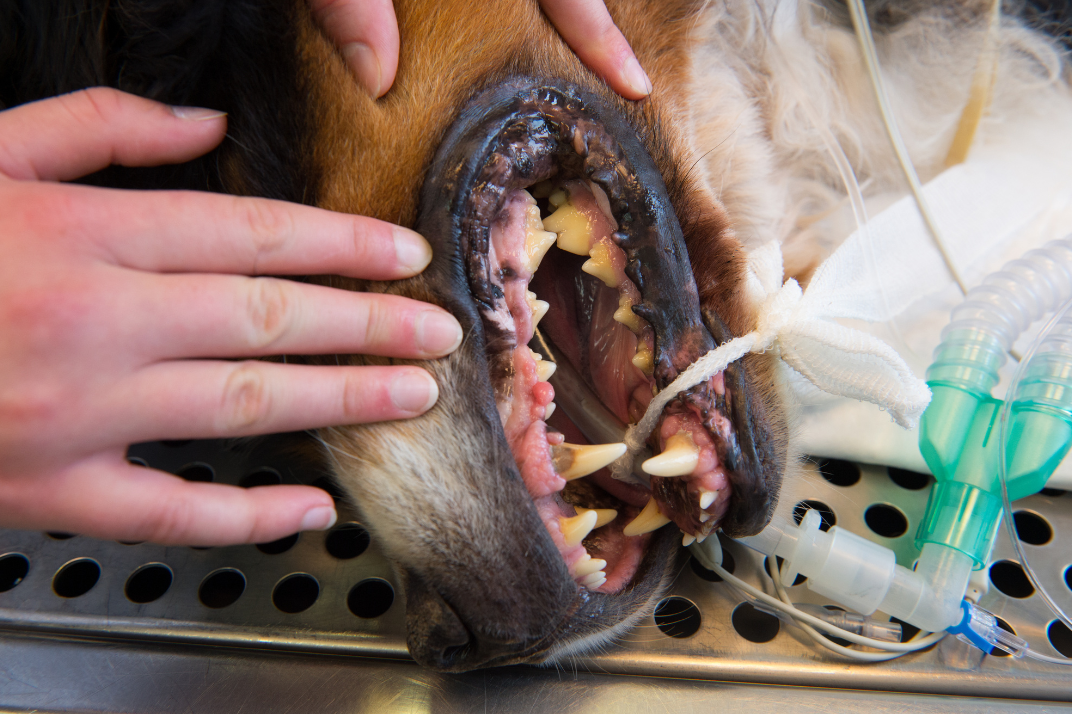
If you notice visible plaque or tartar on your pet’s teeth, it’s a clear indication that professional cleaning is needed.
3. Red, Swollen, or Bleeding Gums
Healthy gums should be pink. Redness, swelling, or bleeding can indicate gingivitis or more advanced periodontal disease.
4. Difficulty Eating or Chewing
If your pet suddenly avoids hard food, chews on one side, or drops food while eating, dental pain could be the cause.
5. Excessive Drooling
Drooling more than usual may signal oral discomfort, infection, or tooth decay.
6. Pawing at the Mouth or Face
Pets often try to relieve discomfort by scratching or pawing at their mouths.
7. Loose or Missing Teeth
Adult pets should not lose teeth. Loose teeth are a sign of advanced dental disease.
8. Changes in Behavior
Irritability, reduced playfulness, or reluctance to interact may be linked to oral pain.
9. Visible Mouth Sores or Lumps
Any unusual growths, ulcers, or swelling in the mouth require immediate veterinary attention.
10. Reduced Grooming (Especially in Cats)
Cats with dental pain may stop grooming properly, leading to a messy or unkempt coat.
If you notice any of these signs, it’s time to consult a professional offering pets oral dental care in Dubai to ensure early treatment.
Common Dental Problems in Pets
Understanding the root causes helps you take better care of your pet’s oral health.
- Periodontal Disease: This is the most common dental issue in pets. It starts with plaque buildup and can progress to severe gum infections and tooth loss.
- Tooth Fractures: Chewing hard objects like bones or toys can lead to broken teeth, causing pain and infection.
- Gingivitis: Inflamed gums are often the first stage of dental disease.
- Oral Infections: Untreated bacteria can lead to painful abscesses.
- Tumors or Growths: Although less common, oral tumors require immediate evaluation and treatment.
What Happens During a Professional Pet Dental Visit?
A dental visit is more than just cleaning, it’s a complete oral health checkup.
Here’s what typically happens:
- Oral Examination: The vet checks teeth, gums, and overall oral condition.
- Scaling & Polishing: Plaque and tartar are removed using specialized tools.
- Dental X-rays: These help detect hidden problems below the gum line.
- Tooth Extraction (if needed): Damaged or infected teeth may need to be safely removed.
- Post-Care Guidance: Pet owners receive tips for at-home dental maintenance.
Professional pets dental services in Dubai ensure your pet receives safe, thorough, and effective treatment.
How to Maintain Your Pet’s Dental Health at Home
Preventive care can significantly reduce the need for major dental procedures.
- Brush Your Pet’s Teeth Regularly: Use pet-safe toothpaste and brushes designed for animals.
- Provide Dental Chews & Toys: These help reduce plaque buildup naturally.
- Offer a Balanced Diet: High-quality food supports overall oral health.
- Schedule Regular Checkups: Routine visits help detect problems early.
- Monitor Your Pet’s Mouth: Check for any unusual signs weekly.
Consistent care combined with professional pets dental care ensures long-lasting oral health.
Why Early Dental Care Saves More Than Just Teeth
Ignoring dental problems can lead to severe complications such as:
- Heart disease
- Kidney infections
- Chronic pain
- Loss of appetite
- Reduced lifespan
Early intervention not only protects your pet’s teeth but also prevents costly and complex treatments later.
Give Your Pet a Healthier Smile with Pet Point Veterinary Clinic
At Pet Point Veterinary Clinic, we believe every pet deserves a healthy smile and a pain-free life. Our expert team provides advanced pets dental health services using modern equipment, gentle techniques, and personalized care plans tailored to your pet’s needs.
From routine cleanings to complex dental procedures, we ensure a stress-free experience for both pets and their owners. Located conveniently in Dubai, our clinic is committed to delivering trusted pets oral dental care Dubai with compassion and precision. Don’t wait for dental problems to worsen, schedule a professional dental checkup today and give your furry companion the comfort, confidence, and happiness they deserve every day.
Frequently Asked Questions
1. How often should pets get dental checkups?
ANS- ANS- Most pets should have a dental checkup at least once a year, though some may need more frequent visits.
2. Is bad breath always a sign of dental problems?
Yes, persistent bad breath usually indicates bacterial buildup or gum disease.
3. Can I clean my pet’s teeth at home?
ANS- Yes, regular brushing helps, but professional cleaning is still necessary for deep plaque removal.
4. Are dental procedures safe for pets?
ANS- Yes, modern veterinary practices ensure safe anesthesia and careful monitoring during procedures.
5. What foods help maintain dental health?
ANS- Dry kibble, dental diets, and approved chew treats can help reduce plaque buildup.
6. What happens if dental disease is left untreated?
ANS- It can lead to infections, tooth loss, organ damage, and serious health complications.