A happy pet deserves a healthy smile. Dental health is an important part of your dog or cat’s overall well-being, yet it is often overlooked until a problem becomes noticeable. Plaque, tartar, gum inflammation, and dental infections can cause discomfort and may affect your pet’s general health if left untreated.
Just like people, pets benefit from regular dental examinations and professional cleaning. However, knowing when your pet actually needs dental care can be difficult. Bad breath, difficulty chewing, drooling, or changes in eating habits may all be signs that something is wrong.
At Pet Point Veterinary Clinic, we provide gentle and professional dental care designed around your pet’s individual needs. Whether your companion needs a routine dental check-up or treatment for an existing problem, early attention can help keep their mouth healthy and comfortable.
Why Is Dental Care Important for Pets?
Your pet uses their mouth every day to eat, play, explore, and communicate. Keeping their teeth and gums healthy therefore contributes to their comfort and quality of life.
Without proper dental care, plaque can build up on the teeth. Over time, plaque can harden into tartar, which is more difficult to remove through routine brushing.
Persistent dental problems may lead to:
- Inflamed or bleeding gums
- Loose or damaged teeth
- Pain while eating
- Bad breath
- Oral infections
- Difficulty chewing
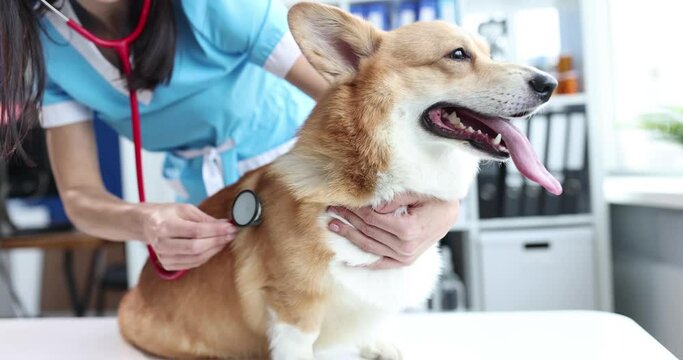
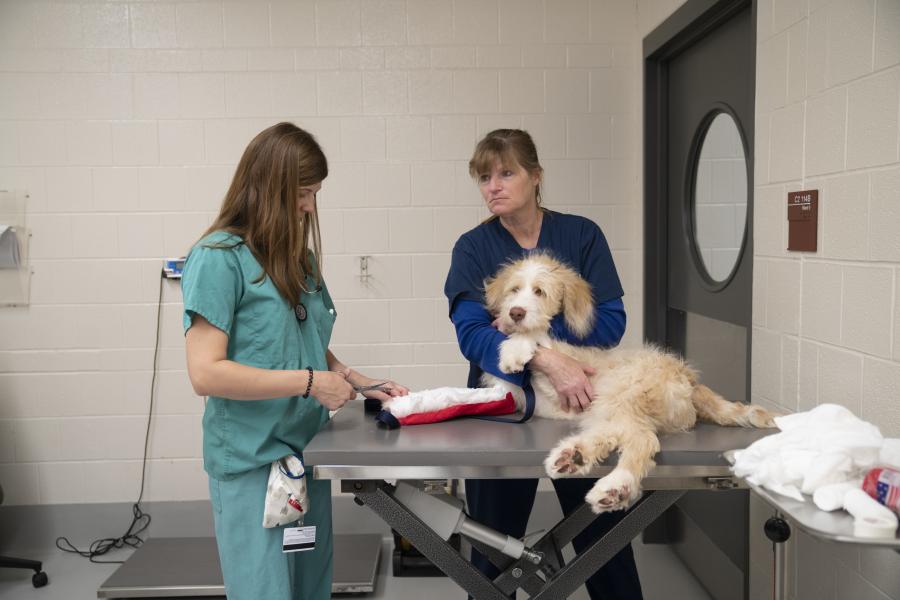
Regular examinations at a pets dental clinic can help identify these concerns before they become more advanced.
Signs Your Pet May Need Dental Care
Pets are very good at hiding discomfort, so subtle changes can sometimes be the first indication of a dental problem.
Persistent Bad Breath
A little pet breath is normal, but strong or persistent bad breath should not be ignored. It may indicate plaque, tartar, gum disease, or an oral infection.
Difficulty Eating
If your pet takes longer to eat, drops food, chews only on one side, or avoids hard food, dental discomfort could be the reason.
Excessive Drooling
Unusual or excessive drooling can sometimes be associated with oral pain or irritation.
Red or Bleeding Gums
Healthy gums should not routinely bleed. Red, swollen, or bleeding gums may indicate inflammation and should be checked by a veterinarian.
Yellow or Brown Teeth
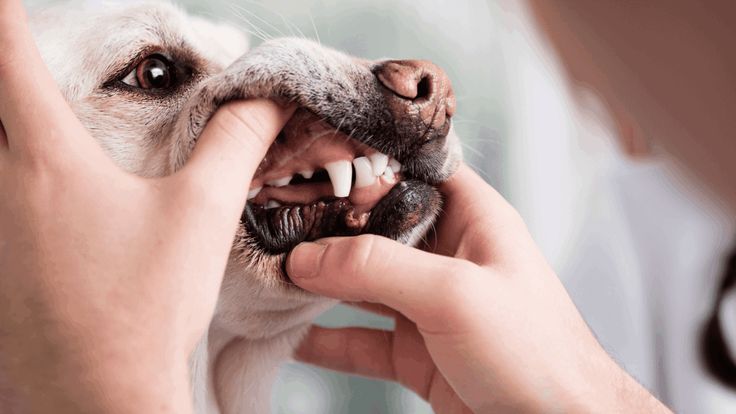
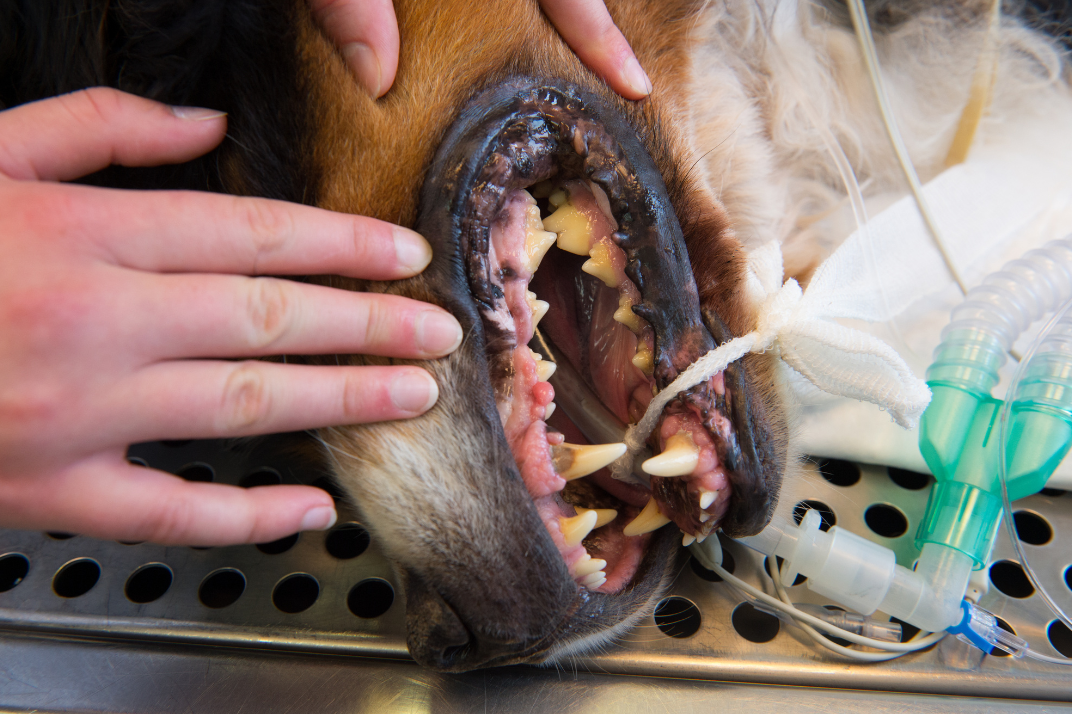
Visible tartar deposits can appear yellow or brown, particularly around the gumline. Professional assessment can determine whether cleaning is required.
Pawing at the Mouth
If your pet frequently paws at their face or rubs their mouth against furniture, they may be experiencing oral discomfort.
Loose or Missing Teeth
Loose teeth should always be examined. Dental disease can weaken the tissues supporting the teeth and make eating uncomfortable.
Common Dental Problems in Dogs and Cats
Dental problems can affect pets of all ages, although some conditions become more common as pets grow older.
- Plaque and Tartar: Plaque is a sticky film containing bacteria that forms on teeth. If it is not removed, it can harden into tartar.
- Gingivitis: Gingivitis is inflammation of the gums. Early treatment and improved dental care can help prevent the condition from progressing.
- Periodontal Disease: Periodontal disease affects the tissues supporting the teeth. Advanced cases can result in painful gums, loose teeth, and tooth loss.
- Broken Teeth: Dogs and cats can damage their teeth while chewing hard objects or during accidents. Broken teeth may expose sensitive internal structures and require veterinary attention.
- Retained Baby Teeth: Some young pets retain their baby teeth even after adult teeth begin to appear. These teeth can create crowding and increase the risk of plaque accumulation.
What Is Professional Pet Dental Cleaning?
Pet dental cleaning is a professional procedure designed to remove plaque and tartar from your pet’s teeth and help maintain oral health.
Depending on your pet’s condition, a dental procedure may include:
- A pre-dental examination
- Assessment of the teeth and gums
- Anaesthesia where clinically appropriate
- Removal of plaque and tartar
- Polishing of the teeth
- Detailed examination of the mouth
- Dental treatment or extractions when necessary
- Post-procedure care instructions
The exact treatment depends on your pet’s dental condition.
When Should You Book a Dental Appointment?
Do not wait for your pet to stop eating before seeking dental care. Some pets continue eating despite having significant oral discomfort.
Consider booking an appointment if you notice:
- Persistent bad breath
- Visible tartar
- Red gums
- Difficulty chewing
- Excessive drooling
- Pawing at the mouth
- Loose teeth
- Changes in eating behaviour
Early veterinary attention can make treatment easier and help prevent dental problems from becoming more complicated.
Give Your Pet a Healthier Smile with Pet Point Veterinary Clinic
At Pet Point Veterinary Clinic, we believe good dental health is an important part of helping pets live comfortable, happy lives. Our experienced veterinary team provides compassionate oral examinations, professional dental care, and personalised guidance based on your pet’s individual needs. We take a gentle approach to every visit while prioritising your companion’s safety and comfort.
Whether your pet needs pet dental cleaning, a routine examination, or treatment for an existing dental concern, our team is here to help. If you are searching for a trusted pets dental clinic in Dubai Silicon Oasis, Pet Point Veterinary Clinic offers comprehensive pets dental clinic services under professional veterinary care. Book an appointment today and take an important step towards protecting your pet’s smile and overall well-being.
Frequently Asked Questions
1. How can I tell if my pet has dental problems?
Bad breath, tartar, red gums, drooling, difficulty eating, pawing at the mouth, or loose teeth can indicate dental problems.
2. Is professional pet dental cleaning necessary?
Yes. Professional cleaning removes hardened tartar and helps veterinarians identify dental problems that may not be visible during home care.
3. How often should my pet’s teeth be checked?
Dental check-up frequency depends on your pet’s age, breed, oral health, and home-care routine. Your veterinarian can recommend suitable intervals.
4. Can I brush my pet’s teeth at home?
Yes. Regular brushing with pet-safe toothpaste can reduce plaque buildup. Introduce brushing gradually to make it comfortable for your pet.
5. Do cats need professional dental care?
Yes. Cats can develop plaque, tartar, gum disease, and other oral problems, making routine veterinary dental examinations important.
6. When should I visit a pet dental clinic?
Schedule an appointment when you notice persistent bad breath, tartar, gum changes, eating difficulties, drooling, or other unusual oral symptoms.