Your pet’s smile is more than just adorable. Healthy teeth and gums are an important part of their overall health and comfort. Dogs and cats can develop plaque, tartar, gum inflammation, bad breath, and dental infections when their teeth are not cared for regularly.
Many pets hide signs of dental discomfort, making it difficult for owners to notice a problem in its early stages. Regular veterinary dental checkups and professional pets dental cleaning can help identify concerns before they become more serious.
Why Is Dental Health Important for Pets?
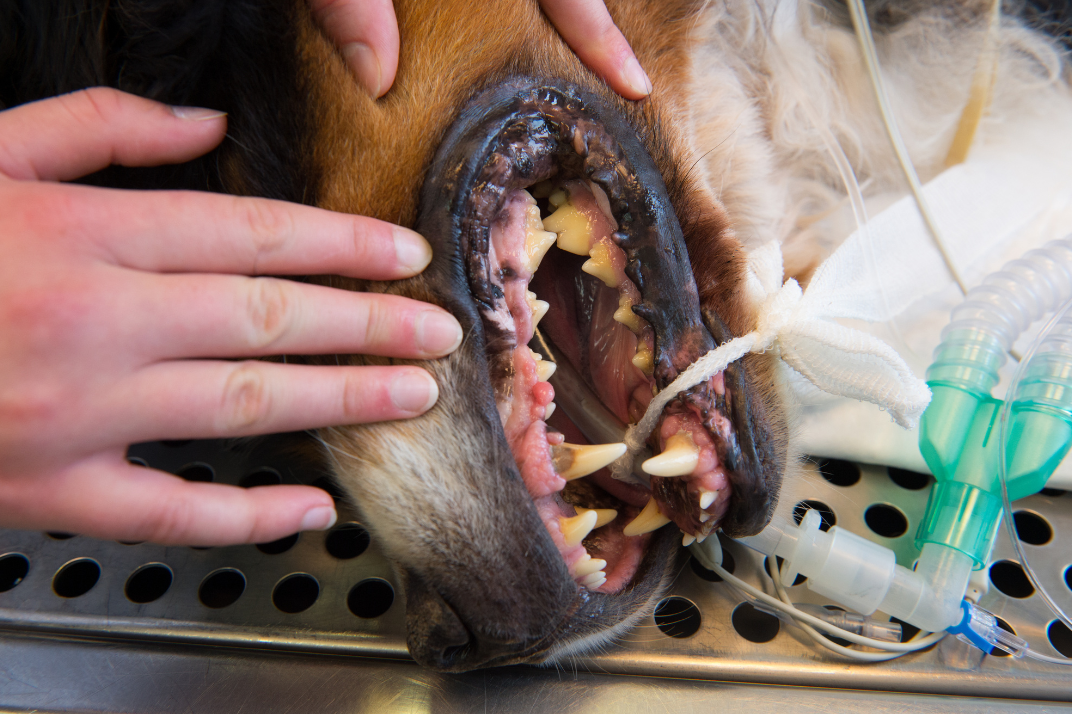
Dental health affects more than your pet’s mouth. Plaque can build up on the teeth when food particles and bacteria remain on the tooth surface. Over time, this plaque can harden into tartar. If tartar continues to accumulate, it can irritate the gums and contribute to periodontal disease. Your pet may experience sore gums, difficulty chewing, bad breath, or changes in eating habits. Regular dental care helps keep your pet’s mouth cleaner and allows a veterinarian to check for problems that may not be visible during a normal home inspection.
What Happens Without Regular Dental Care?
Without proper dental care, plaque and tartar can gradually affect the gums and supporting structures around the teeth. Early gum inflammation may progress if it is not addressed.
Some common signs of dental problems include:
- Persistent bad breath
- Yellow or brown buildup on the teeth
- Red or swollen gums
- Dropping food while eating
- Difficulty chewing
- Reduced interest in food
- Pawing at the mouth
- Excessive drooling
- Loose or damaged teeth
- Changes in normal behaviour
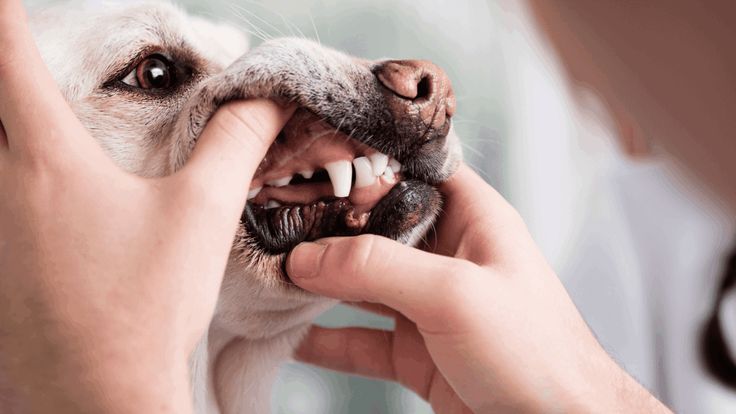
Not every pet shows obvious symptoms. This is why routine veterinary examinations remain important, even when your pet appears happy and active.
What Is Professional Pets Dental Cleaning?
Professional pets dental cleaning is performed under veterinary supervision to remove plaque and tartar from areas that cannot be properly cleaned with regular brushing alone. During a dental procedure, your veterinarian can examine the teeth and gums closely. Depending on your pet’s needs, dental cleaning may involve removing accumulated tartar, cleaning the tooth surfaces, and checking for signs of dental disease.
Your veterinarian may also recommend additional dental treatment if a tooth or gum problem is identified. The exact approach depends on your pet’s age, health, dental condition, and individual needs.
Why Home Dental Care Still Matters
Professional dental cleaning is only one part of good oral care. Daily or regular home care can also help reduce plaque buildup between veterinary visits. Pet owners can ask their veterinarian about suitable toothbrushes, toothpaste, dental diets, treats, or other products designed specifically for pets.
Never use human toothpaste for your dog or cat unless your veterinarian specifically advises you to do so. Some ingredients may not be suitable for pets. Starting dental care when your pet is young can also help them become more comfortable with having their mouth and teeth handled.
How Often Should Your Pet Have a Dental Checkup?
There is no single dental schedule that suits every pet. Dogs and cats have different needs based on factors such as age, breed, diet, existing dental problems, and home care routine. During regular veterinary visits, your pet’s mouth can be examined for visible signs of dental disease. Your veterinarian can then recommend how often professional cleaning or further dental evaluation may be appropriate.
Older pets or pets with a history of dental problems may need more frequent monitoring.
What to Expect From a Pets Dental Clinic Dubai
A professional pets dental clinic Dubai should focus on safe, appropriate, and compassionate care for every patient. Before dental treatment, your veterinarian may assess your pet’s general health and examine the mouth. Depending on the procedure, additional checks may be recommended to help determine whether your pet is suitable for treatment. Your veterinary team can also explain what happens during the procedure and what you should expect afterward.
After dental care, your pet may need some temporary changes to their routine or diet depending on the treatment provided. Always follow the aftercare instructions given by your veterinarian.
Give Your Pet Gentle Dental Care at Pet Point Veterinary Clinic
At Pet Point Veterinary Clinic, your pet’s comfort and wellbeing remain at the heart of their veterinary care. Regular dental examinations and professional cleaning can help maintain healthier teeth and gums while allowing potential concerns to be identified early.
Our team provides compassionate veterinary support while considering the individual needs of every pet. If you have noticed bad breath, tartar buildup, changes in eating habits, or signs of mouth discomfort, it is a good time to discuss your concerns with a veterinary professional. Pet Point Veterinary Clinic is here to help you understand your pet’s dental needs and choose suitable care. Book a dental consultation today and give your companion the attention they deserve.
FAQs
1. How often should my pet have a dental checkup?
Pets should have their teeth checked during regular veterinary visits, while cleaning frequency depends on their individual dental health and needs.
2. Is bad breath normal in dogs and cats?
Persistent bad breath is not something to ignore and may indicate plaque, tartar, gum problems, or other underlying dental concerns.
3. Can I brush my pet’s teeth at home?
Yes, regular brushing can support oral health. Use pet-specific toothpaste and introduce brushing gradually to keep your companion comfortable.
4. What are signs my pet needs dental care?
Bad breath, tartar, red gums, difficulty chewing, dropping food, drooling, and changes in eating habits can indicate dental problems.
5. Is professional dental cleaning necessary for every pet?
Not every pet needs cleaning at the same frequency. Your veterinarian can recommend appropriate care after examining your pet’s teeth and gums.
6. How can I protect my pet’s dental health?
Regular veterinary checkups, suitable home brushing, dental care products, and monitoring for changes can help support your pet’s oral health.