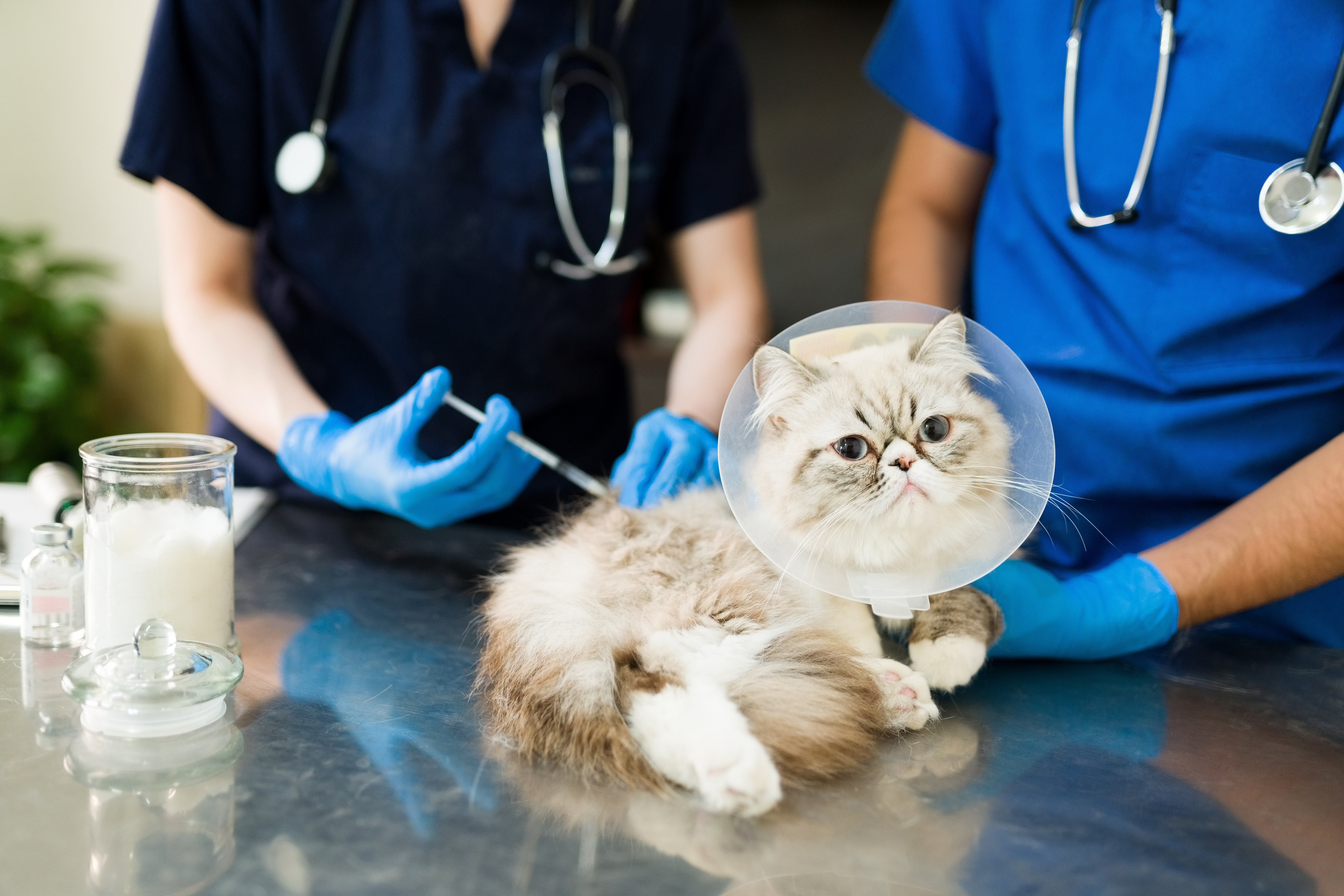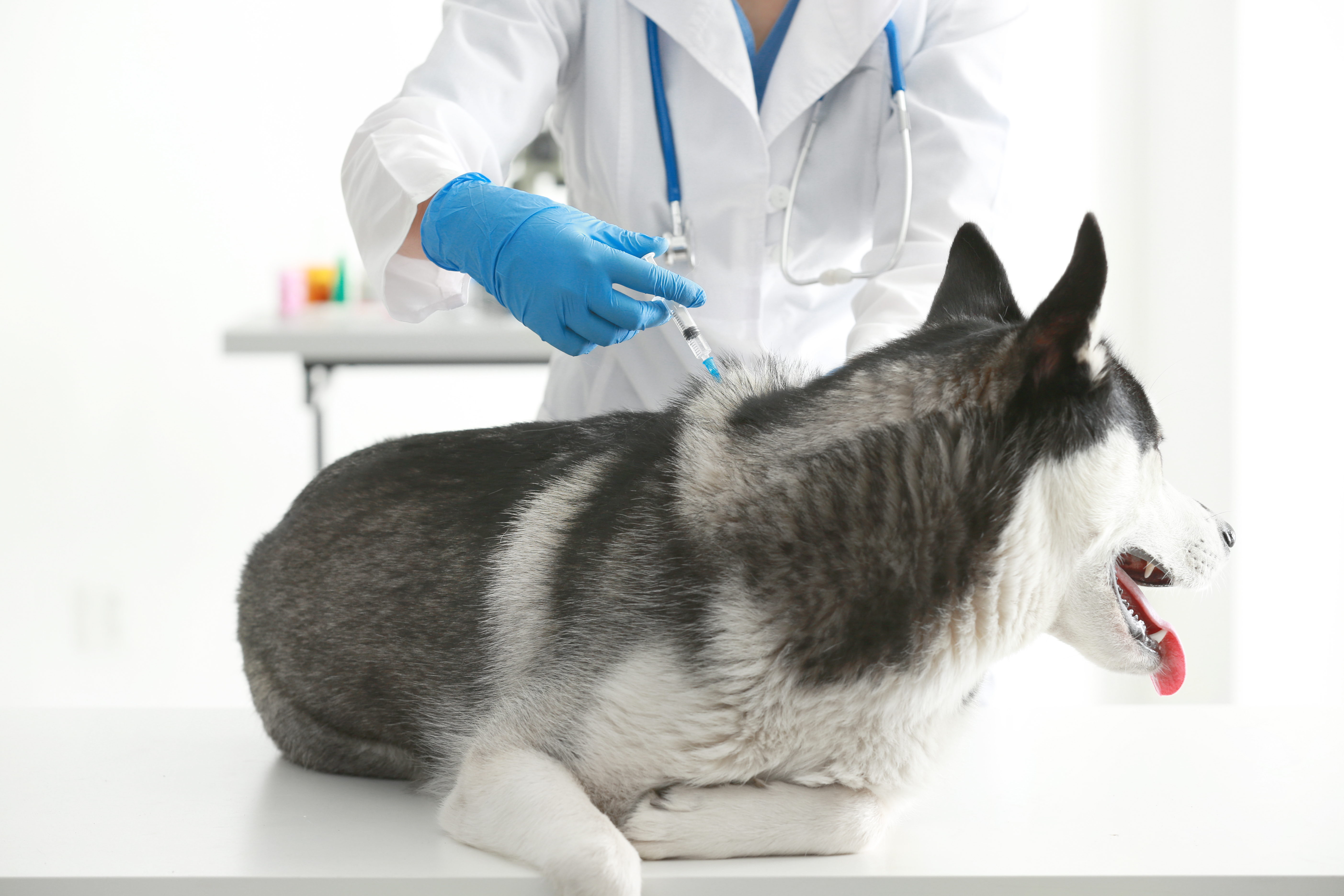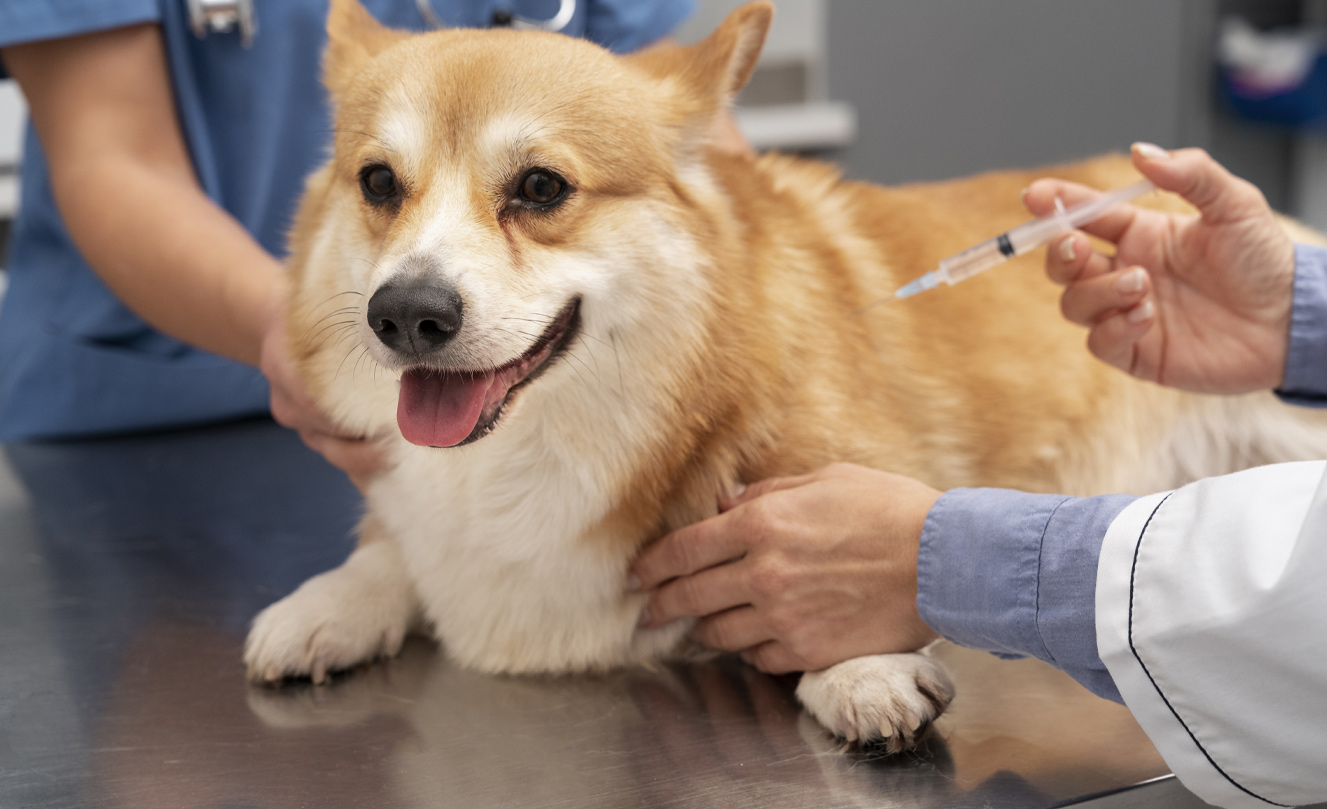
Vaccinations are one of the greatest gifts you can give your pet. They protect dogs and cats from dangerous, contagious, and life-threatening diseases. A well-planned vaccine schedule boosts immunity, prevents outbreaks, and ensures your furry friend enjoys a long, healthy, wag-filled life.
This guide breaks down everything you need to know, from what vaccines your pet needs to when they need them, how often they should be repeated, and why keeping up with your schedule is absolutely crucial.
Why Vaccinations Matter for Dogs and Cats
Just like human babies, puppies and kittens have developing immune systems. They depend heavily on timely vaccinations to build strong protection. Vaccines prepare their bodies to fight off serious illnesses before they happen.
When you follow the right vaccination plan, you’re not only protecting your pet, but also helping keep the entire pet community healthy. Many families in Dubai trust pet vaccines in Dubai to keep their furry companions safe from preventable diseases.
Understanding How Vaccines Work
Vaccines introduce a harmless form of a virus or bacteria into the body so your pet’s immune system can recognize and attack it. Later, if the real infection tries to enter the body, the immune system responds quickly and powerfully.
Vaccines can:
- Reduce the severity of diseases
- Prevent fatal conditions
- Stop the spread of infectious illnesses
- Protect vulnerable pets with weaker immunity
This is why veterinarians strongly emphasize core vaccines for pets, especially for young and unvaccinated animals.
The Two Main Types of Vaccines Pets Need
To help pet parents understand vaccinations better, vets categorize them into two groups:
1. Core Vaccines
These are essential for all dogs and cats, regardless of breed or lifestyle. They protect against severe and widespread diseases.
For Dogs (Core Vaccines):
- Rabies
- Distemper
- Parvovirus
- Adenovirus (Hepatitis)
For Cats (Core Vaccines):
- Rabies
- Feline Panleukopenia
- Feline Calicivirus
- Feline Herpesvirus
These core vaccines are mandatory because they protect against deadly infections commonly found in the UAE.
2. Non-Core (Recommended) Vaccines
These depend on your pet’s environment, lifestyle, and exposure risks. While not mandatory, they are extremely valuable.
For Dogs (Recommended Vaccines):
- Kennel Cough (Bordetella)
- Leptospirosi
- Canine Influenza
- Parainfluenza
For Cats (Recommended Vaccines):
- Feline Leukemia (FeLV) – for outdoor or multi-cat homes
Many pet owners discuss these recommended vaccines for pets with their veterinarian to choose the right plan for their pet’s lifestyle.
Puppy Vaccination Schedule (0–16 Weeks)
Puppies start vaccinations early because they lose their mother’s immunity within a few weeks.
Typical Puppy Vaccine Schedule:
| Puppy Age | Vaccinations |
| 6–8 weeks | Distemper, Parvovirus |
| 10–12 weeks | DHPP booster (Distemper, Hepatitis, Parainfluenza, Parvo), Optional Bordetella |
| 14–16 weeks | Final DHPP booster, Rabies |
| Annual | DHPP booster, Rabies booster, Leptospirosis (if recommended) |
Following this schedule provides strong, long-term protection.
Kitten Vaccination Schedule (0–16 Weeks)
Kittens also require a series of multiple doses to build solid immunity.
Typical Kitten Vaccine Schedule:
| Kitten Age | Vaccinations |
| 6–8 weeks | FVRCP (Panleukopenia, Calicivirus, Herpesvirus) |
| 10–12 weeks | FVRCP booster |
| 14–16 weeks | Final FVRCP booster, Rabies |
| Annual | FVRCP booster, Rabies booster |
Indoor-only cats still require vaccinations because viruses can spread through air, clothing, or other pets.
Annual Vaccinations and Booster Shots: Why They Matter
Vaccines are not a “one and done” treatment, their effectiveness fades over time. Booster shots keep immunity strong throughout your pet’s life.
Why boosters matter:
- Protection decreases yearly
- Some diseases can spread quickly
- Outdoor activities increase exposure risk
- Travel and grooming facilities may require updated vaccines
Many owners choose affordable pet shots in Dubai Silicon Oasis to ensure their pets stay protected without financial stress.
How Do I Know Which Vaccines My Pet Needs?
Your vet will recommend vaccinations based on:
- Age
- Breed
- Lifestyle (indoor/outdoor)
- Travel plans
- Interaction with other pets
- Local disease risks
- Previous vaccine history
For example:
- Dogs visiting grooming salons or boarding facilities need kennel cough vaccines
- Outdoor cats require FeLV
- \Active dogs may benefit from leptospirosis or influenza vaccines
Your veterinarian will personalize the schedule based on your pet’s needs.
Is Vaccination Safe for All Pets?
Vaccinations are extremely safe when administered by licensed veterinarians. Side effects are rare and usually mild.
Possible mild reactions:
- Sleepiness
- Slight swelling at injection site
- Mild fever
- Low appetite
These typically resolve within 24 hours.
Red-flag symptoms (contact your vet immediately):
- Difficulty breathing
- Swelling of the face
- Vomiting
- Collapse
- Persistent lethargy
Always monitor your pet after vaccinations, especially the first few doses.
Pet Point Veterinary Clinic: Your Trusted Partner for Safe, Expert & Affordable Vaccinations
At Pet Point Veterinary Clinic, we understand that vaccinations are the foundation of lifelong health for your furry companions. Our experienced veterinary team offers safe, high-quality pet vaccines in Dubai, tailored to your pet’s age, immunity level, and lifestyle.
We provide core vaccines for pets as well as recommended vaccines for pets, ensuring complete protection from preventable diseases. With our commitment to gentle handling, clear guidance, and affordable pet shots in Dubai Silicon Oasis, we make vaccinations stress-free for both pets and their loving families. Trust us to help your pet stay happy, healthy, protected, and full of life, because we treat every pet like family.
Frequently Asked Questions (FAQs)
1. At what age should I start vaccinating my pet?
Puppies and kittens should begin vaccinations at 6–8 weeks of age.
2. Are annual boosters really necessary?
Yes. Immunity decreases over time and annual boosters keep your pet fully protected.
3. Do indoor pets need vaccinations?
Absolutely. Viruses can spread through air, visitors, shoes, or other pets.
4. Will my dog or cat feel sick after getting vaccinated?
Mild tiredness or slight soreness is normal. Severe reactions are rare.
5. Can vaccination prevent all diseases?
Vaccines greatly reduce risks but no vaccine guarantees 100% prevention. They do prevent severe illness.
6. How do I know which vaccines my pet needs?
Your vet will recommend vaccines based on age, environment, and lifestyle.