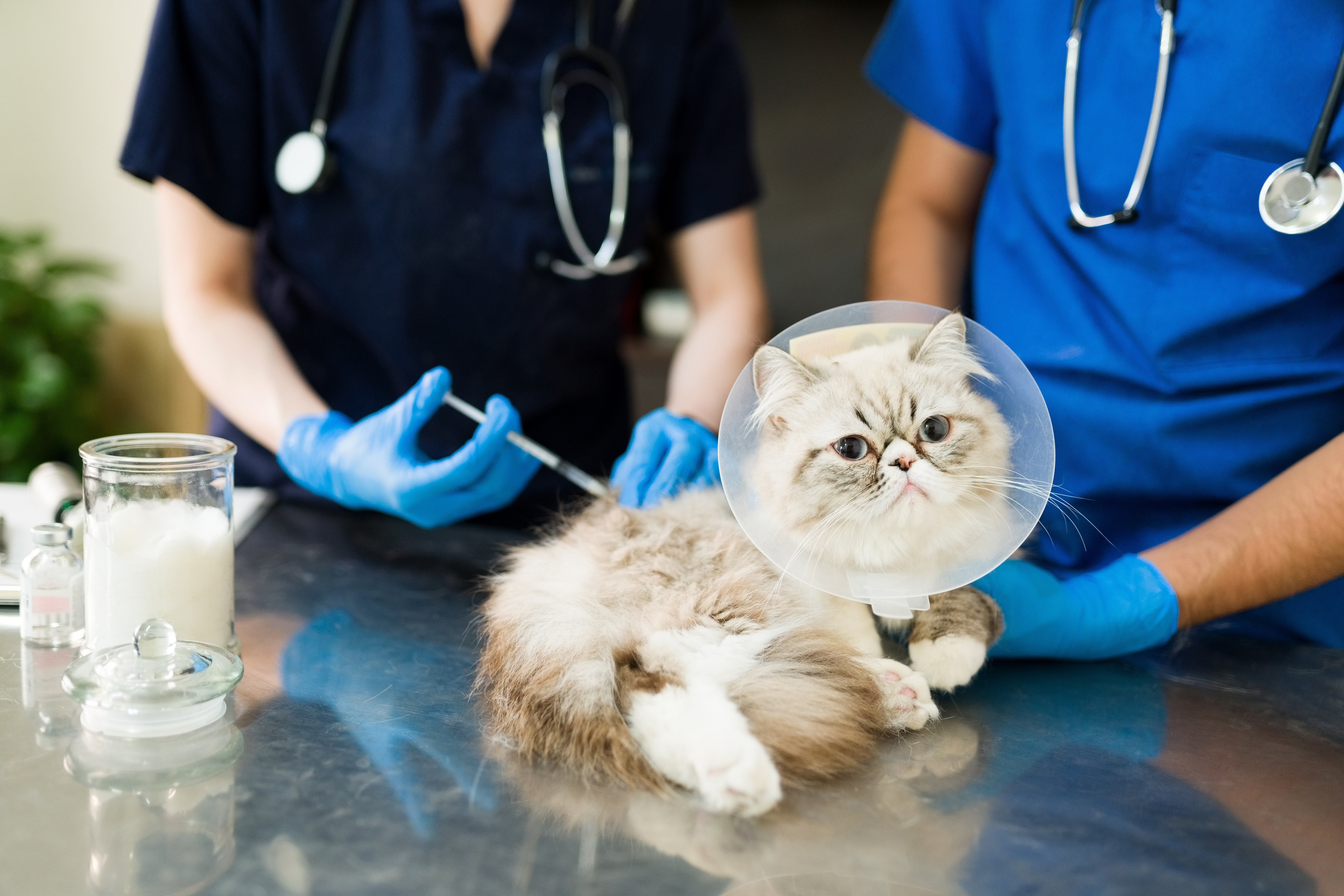
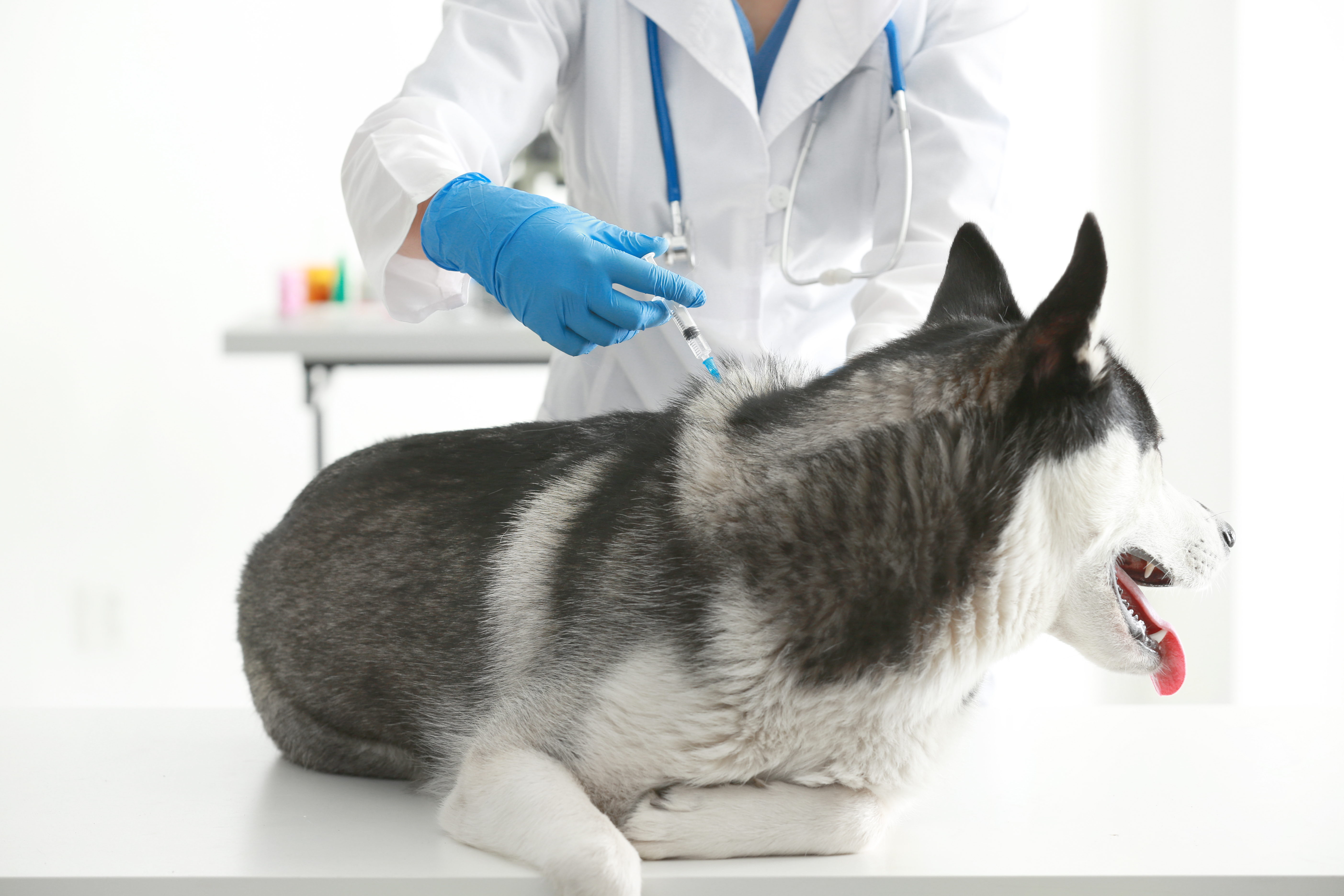
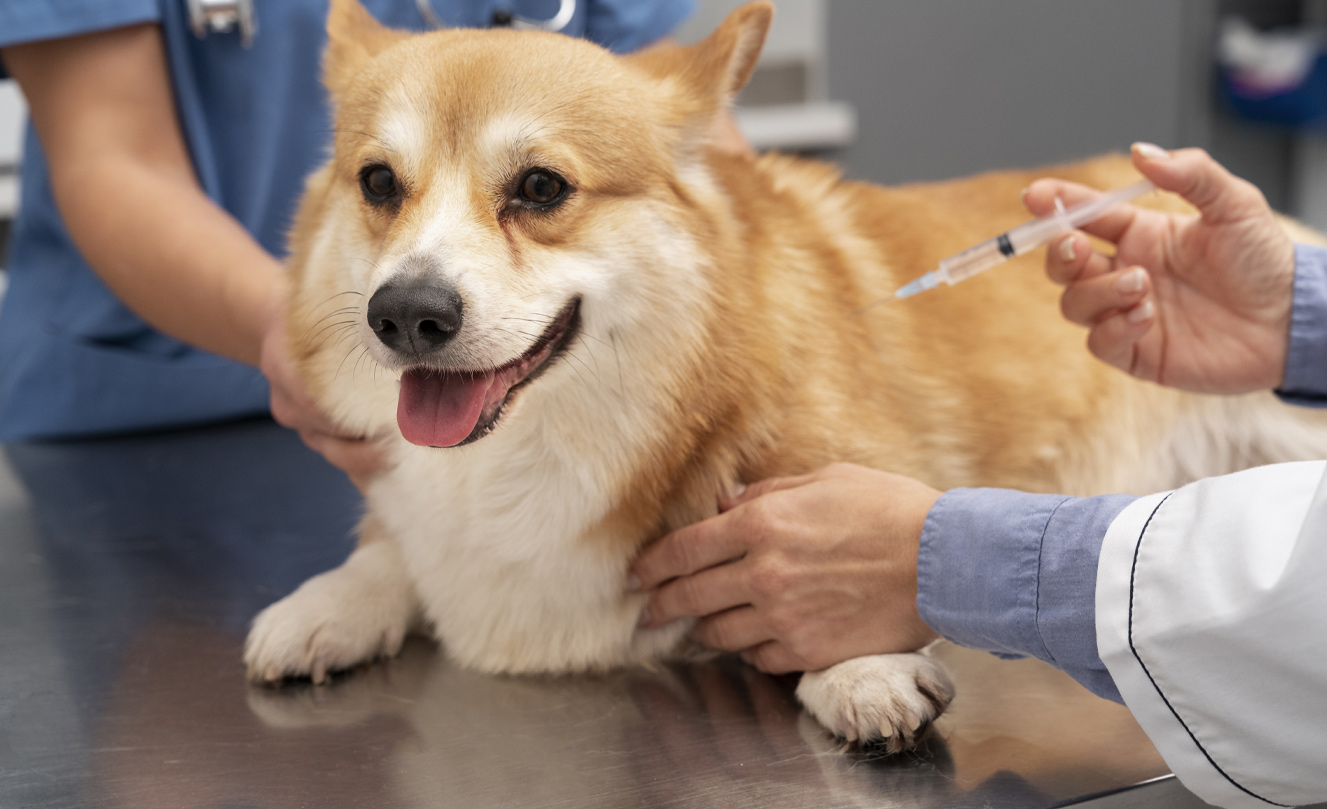
Welcoming a pet into your family comes with the responsibility of protecting their health throughout every stage of life. One of the most effective ways to keep your furry companion healthy is through timely vaccinations. Vaccines help prepare your pet’s immune system to fight against serious infectious diseases, allowing them to enjoy a longer, healthier, and more active life.
Whether you’ve recently adopted a playful puppy, a curious kitten, or an adult pet, understanding the importance of pet vaccines can help you make informed healthcare decisions. This guide explains why vaccinations matter, which vaccines dogs and cats commonly need, and how following the right pet vaccination schedule supports your pet’s lifelong well-being.
Why Are Pet Vaccinations Important?
Vaccinations play a vital role in preventive veterinary care. They help your pet develop immunity against infectious diseases before exposure occurs, reducing the risk of severe illness and improving overall health.
Some of the key benefits of vaccines for pets include:
- Protecting against serious infectious diseases
- Supporting a stronger immune system
- Reducing the spread of contagious illnesses
- Promoting long-term health
- Helping pets enjoy a safer, more active lifestyle
Vaccinations are recommended for both indoor and outdoor pets because some diseases can spread through the environment, direct contact, or contaminated objects.
How Do Pet Vaccines Work?
Vaccines contain carefully prepared components that safely stimulate your pet’s immune system without causing the disease itself. Once vaccinated, your pet’s immune system learns how to recognise and respond quickly if exposed to specific infectious agents in the future. This protection significantly reduces the chances of severe illness. Regular veterinary check-ups ensure your pet receives the appropriate regular vaccines for pets at the right time.
Essential Vaccines for Dogs
Dogs require a combination of core and lifestyle-based vaccinations depending on their age, health, and environment. Commonly recommended dog vaccines include protection against:
- Canine Distemper
- Canine Parvovirus
- Canine Adenovirus (Hepatitis)
- Canine Parainfluenza
- Rabies
- Kennel Cough (when appropriate based on lifestyle)
Your veterinarian will recommend the most suitable vaccination plan according to your dog’s individual needs.
Essential Vaccines for Cats
Cats also benefit from timely vaccinations throughout their lives. Commonly recommended cat vaccines include protection against:
- Feline Panleukopenia
- Feline Herpesvirus
- Feline Calicivirus
- Rabies
Your veterinarian will advise whether additional vaccines are appropriate based on your cat’s lifestyle, environment, and risk factors.
Understanding the Pet Vaccination Schedule
Following the correct pet vaccination schedule is essential for building and maintaining immunity.
Puppies
Puppies usually begin vaccinations during their first few weeks of life, followed by additional doses at recommended intervals to strengthen immunity. Regular veterinary visits ensure each vaccine is administered at the appropriate stage of development.
Kittens
Kittens also receive a series of vaccinations during their early months to provide protection as their immune systems mature. Your veterinarian will recommend the ideal schedule based on your kitten’s age and overall health.
Adult Pets
Vaccination does not stop after puppyhood or kittenhood. Adult dogs and cats require booster vaccinations at recommended intervals to maintain long-term immunity against preventable diseases. Routine health examinations often include reviewing your pet’s vaccination status to ensure continued protection.
What Happens During a Vaccination Appointment?
A vaccination visit involves much more than receiving an injection.
Your veterinarian will typically:
- Perform a Physical Examination: Your pet is carefully examined to ensure they are healthy enough to receive vaccinations.
- Review Medical History: The veterinarian reviews previous vaccinations, lifestyle changes, travel plans, and any health concerns.
- Administer Recommended Vaccines: Only vaccines appropriate for your pet’s age, health, and risk factors are administered.
- Discuss Preventive Care: The appointment also provides an opportunity to discuss nutrition, parasite prevention, dental health, weight management, and overall wellness.
Are Pet Vaccines Safe?
Yes. Modern pet vaccines undergo extensive testing to ensure they are both safe and effective.
Most pets experience little to no discomfort after vaccination. Mild reactions such as temporary tiredness or slight soreness at the injection site may occur but usually resolve within a short period. Serious reactions are uncommon, and your veterinary team will explain what to expect after your pet’s appointment.
Why Booster Vaccinations Matter
Vaccines provide protection for specific periods of time. Booster vaccinations help refresh your pet’s immune response and maintain long-term protection against infectious diseases. Skipping booster appointments may reduce immunity and increase your pet’s vulnerability to preventable illnesses. Maintaining regular vaccines for pets according to your veterinarian’s recommendations helps provide consistent protection throughout life.
Tips for Keeping Your Pet Comfortable During Vaccination
Many pets feel relaxed during veterinary visits with a little preparation.
Helpful tips include:
- Bring your pet in a secure carrier or on a leash.
- Offer gentle reassurance throughout the visit.
- Bring favourite treats or toys for positive reinforcement.
- Schedule appointments when your pet is calm.
- Follow any post-vaccination care instructions provided by your veterinarian.
Creating positive veterinary experiences helps reduce anxiety during future visits.
Choosing the Right Veterinary Clinic for Vaccinations
Selecting an experienced veterinary team ensures your pet receives personalised preventive care.
When choosing a clinic, look for:
- Experienced veterinarians
- Comprehensive health examinations
- Individual vaccination recommendations
- Modern medical facilities
- Compassionate handling
- Ongoing preventive healthcare guidance
If you’re looking for trusted veterinary vaccines in Dubai Silicon Oasis, choose a clinic that prioritises your pet’s long-term health through personalised care and preventive medicine.
Protect Your Pet’s Future with Pet Point Veterinary Clinic
At Pet Point Veterinary Clinic, we believe prevention is one of the greatest gifts you can give your furry companion. Our experienced veterinary team provides personalised vaccination plans based on your pet’s age, lifestyle, health, and individual needs. From playful puppies and curious kittens to adult and senior pets, we ensure every patient receives compassionate care in a calm and welcoming environment.
Whether your pet is starting their first pet vaccination schedule or needs booster doses to maintain lifelong protection, our team is here to guide you every step of the way. If you’re searching for trusted veterinary vaccines in Dubai Silicon Oasis, Pet Point Veterinary Clinic is committed to helping your pet stay healthy, protected, and ready to enjoy every stage of life with confidence.
Frequently Asked Questions
1. Why are vaccinations important for pets?
Vaccinations help protect pets against serious infectious diseases while supporting long-term health, stronger immunity, and overall well-being throughout every stage of life.
2. When should puppies and kittens receive their first vaccines?
The timing varies by age and health. Your veterinarian will recommend an appropriate vaccination schedule tailored to your young pet’s needs.
3. Do adult pets still need vaccinations?
Yes. Adult pets require booster vaccinations at recommended intervals to maintain immunity and protect against preventable infectious diseases throughout their lives.
4. Are vaccinations safe for dogs and cats?
Yes. Modern vaccines are carefully tested and are considered safe, with most pets experiencing only mild, temporary reactions after vaccination.
5. What should I do after my pet receives vaccinations?
Allow your pet to rest, provide fresh water, monitor for mild reactions, and contact your veterinarian if you notice anything unusual.
6. How do veterinarians decide which vaccines my pet needs?
Your veterinarian considers your pet’s age, species, health, lifestyle, travel history, and risk factors before recommending appropriate vaccinations.