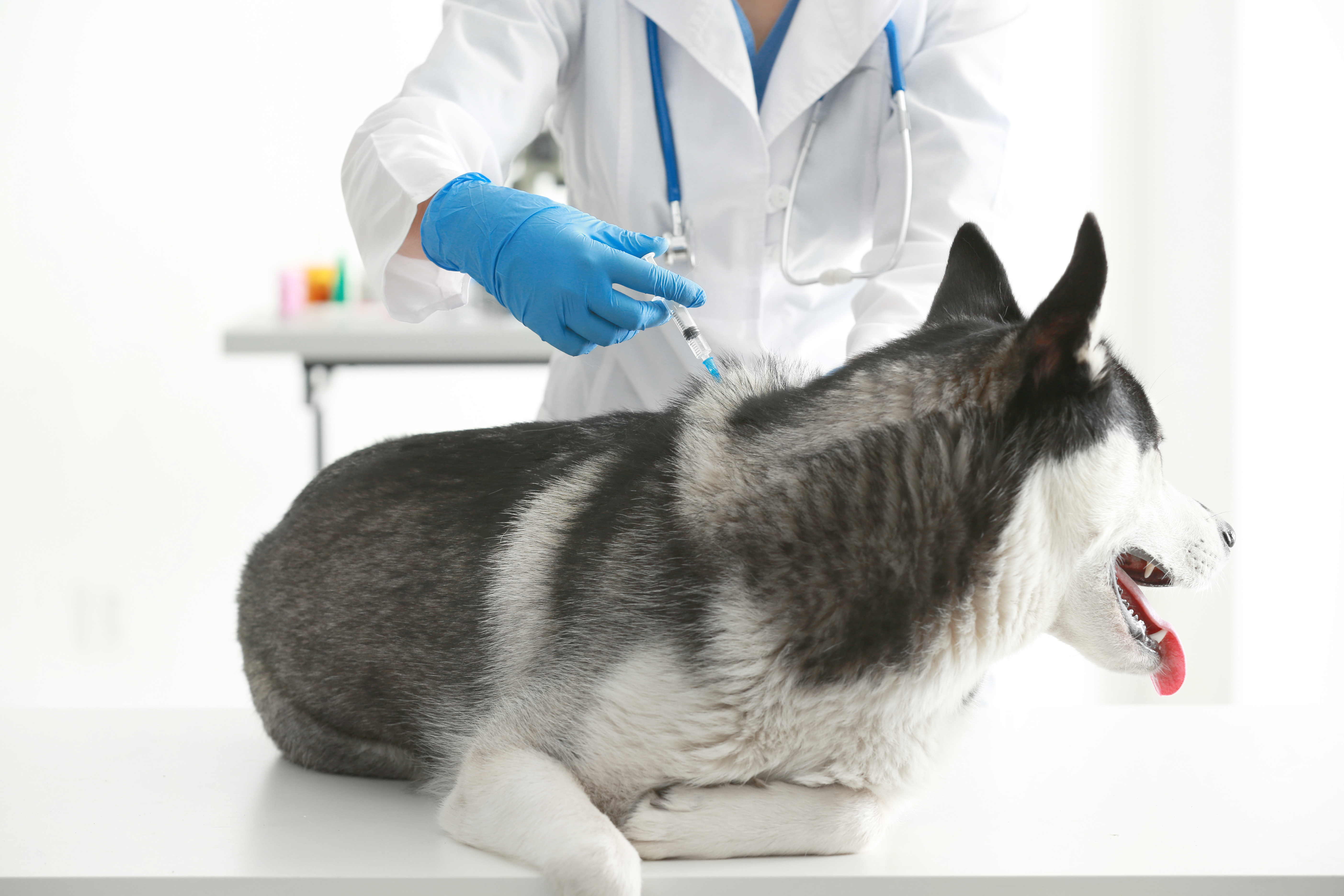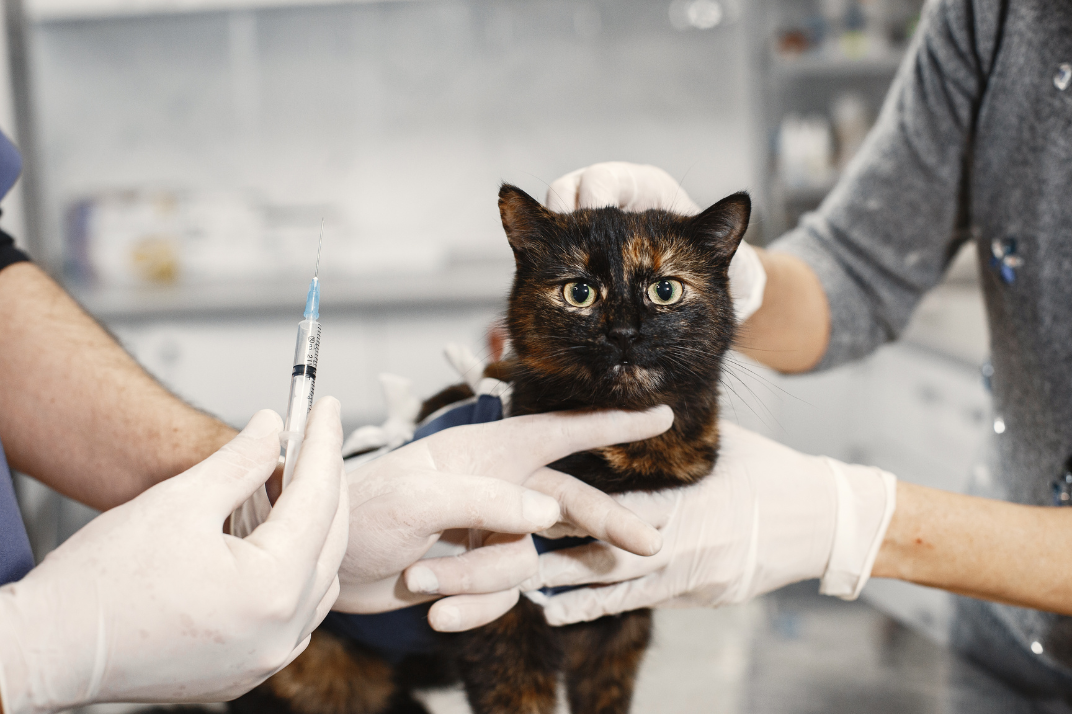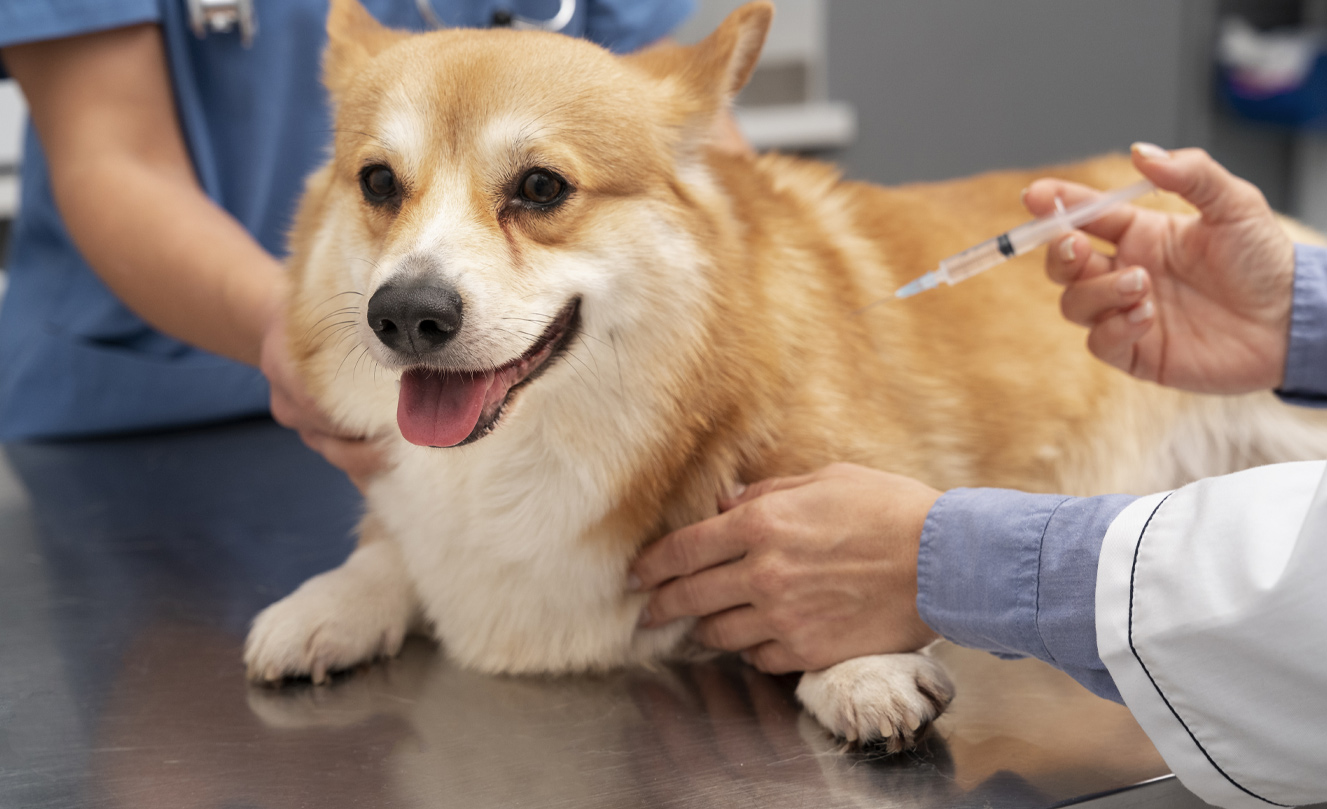
Keeping your pet healthy involves more than visiting the veterinarian when they feel unwell. Regular checkups, vaccinations, parasite prevention, and everyday health monitoring all play an important role in their wellbeing. These preventive steps can help identify health concerns early and protect your pet from certain illnesses. Choosing the right pet clinic for vaccines is an important part of responsible pet care. You need a veterinary team that understands your pet’s needs, explains available options clearly, and helps you follow a suitable preventive care plan.
Whether you have a playful puppy, a curious kitten, or an older companion, the right veterinary support can help you care for them at every stage of life.
Why Are Vaccinations Important for Pets?
Vaccinations help prepare your pet’s immune system to recognise and respond to specific infectious diseases. They are an important part of preventive veterinary care for both dogs and cats. Puppies and kittens often need a series of vaccinations as they grow. Adult pets may require boosters based on their vaccination history, health, lifestyle, and veterinary recommendations.
Vaccination needs are not identical for every animal. Your veterinarian can review your pet’s age, medical history, environment, and exposure risks before recommending a schedule. Regular vaccination visits also give you an opportunity to discuss other health concerns and ask questions about your pet’s wellbeing.
How to Choose the Right Pet Clinic for Vaccines
A trusted veterinary clinic should make preventive care clear, comfortable, and suitable for your pet. Before choosing a clinic, consider the following factors.
- Qualified Veterinary Professionals
Choose a clinic with qualified veterinary professionals who can examine your pet and recommend suitable care. The team should be able to explain why a vaccine is advised and when your pet may need it. They should also ask about previous vaccinations, medical conditions, medications, and any reactions your pet may have experienced.
- A Proper Health Assessment
Vaccination should be considered as part of your pet’s overall health. A veterinarian may examine your pet before administering a vaccine and decide whether it is appropriate at that visit. If your pet is unwell, the veterinarian may recommend further assessment or a different vaccination date.
- Clear Vaccination Records
Keeping accurate vaccination records helps you and your veterinarian track your pet’s preventive care. Ask whether the clinic provides a record showing the vaccine given and the date of administration. Bring previous vaccination documents when visiting a new clinic. This helps the veterinarian avoid unnecessary repetition and plan future visits.
- Friendly Handling and Communication
Some pets feel nervous during veterinary visits. A calm environment and gentle handling can make the experience more comfortable. The veterinary team should also welcome your questions and explain the next steps without making you feel rushed.
Understanding Recommended Vaccines for Pets
The recommended vaccines for pets depend on several factors, including species, age, lifestyle, health, and local disease risks. For dogs and cats, veterinarians generally distinguish between core vaccines and non-core vaccines. Core vaccines protect against diseases considered important for most pets. Non-core vaccines may be recommended when a pet has particular exposure risks.
Your veterinarian can explain which vaccines are appropriate for your companion and how often they may be needed. Avoid following a vaccination schedule meant for another pet. A plan that suits one animal may not be suitable for another.
Preventive Care Goes Beyond Vaccination
Vaccinations are important, but they are only one part of preventive healthcare. Regular examinations help your veterinarian monitor your pet’s overall condition and identify changes that may need attention.
A preventive care plan may include:
- Routine physical examinations
- Dental health checks
- Parasite prevention
- Weight and nutrition guidance
- Skin and coat assessments
- Age-appropriate screening
- Advice about behaviour and activity
The needs of a young pet may differ from those of an adult or senior animal. Regular veterinary visits help keep their care relevant as they grow and age.
Questions to Ask Before Booking a Vaccination Visit
A little preparation can make your pet’s visit easier. Before booking, consider asking the clinic:
- Will a veterinarian examine my pet before vaccination?
- Which vaccines are suitable for my pet’s age and lifestyle?
- Should I bring previous vaccination records?
- What is included in the vaccination fee?
- When will my pet need the next dose or booster?
- What reactions should I watch for after vaccination?
A reliable clinic should provide clear answers and encourage you to discuss any concerns about your pet’s health.
Choose Compassionate Preventive Care at Pet Point Veterinary Clinic
Your pet deserves thoughtful care at every stage of life. At Pet Point Veterinary Clinic, our team can help you understand your companion’s vaccination needs and plan suitable preventive care based on their age, health, and lifestyle. Regular veterinary visits also provide an opportunity to discuss dental health, parasite prevention, nutrition, and other important aspects of wellbeing.
If you are unsure which vaccines your pet needs or when their next visit is due, our team is here to guide you. Bring your pet’s previous medical and vaccination records so we can better understand their health history. Contact Pet Point Veterinary Clinic to arrange a consultation and take a caring step towards your pet’s long-term health.
FAQs
1. How often do pets need vaccinations?
Vaccination schedules vary by age, health, lifestyle, and previous doses. Your veterinarian can recommend an appropriate schedule for your pet.
2. Should my pet be examined before vaccination?
Yes, a veterinarian may examine your pet first to assess their health and determine whether vaccination is appropriate that day.
3. What should I bring to a vaccination appointment?
Bring previous vaccination records, relevant medical documents, medication details, and information about any past reactions your pet experienced.
4. Why do vaccination costs vary between clinics?
Costs may depend on vaccine type, consultation fees, required doses, and additional services. Ask the clinic what the quoted price includes.
5. Can my pet receive vaccines when unwell?
Your veterinarian should assess your pet first. If your companion is unwell, vaccination may be postponed until appropriate.