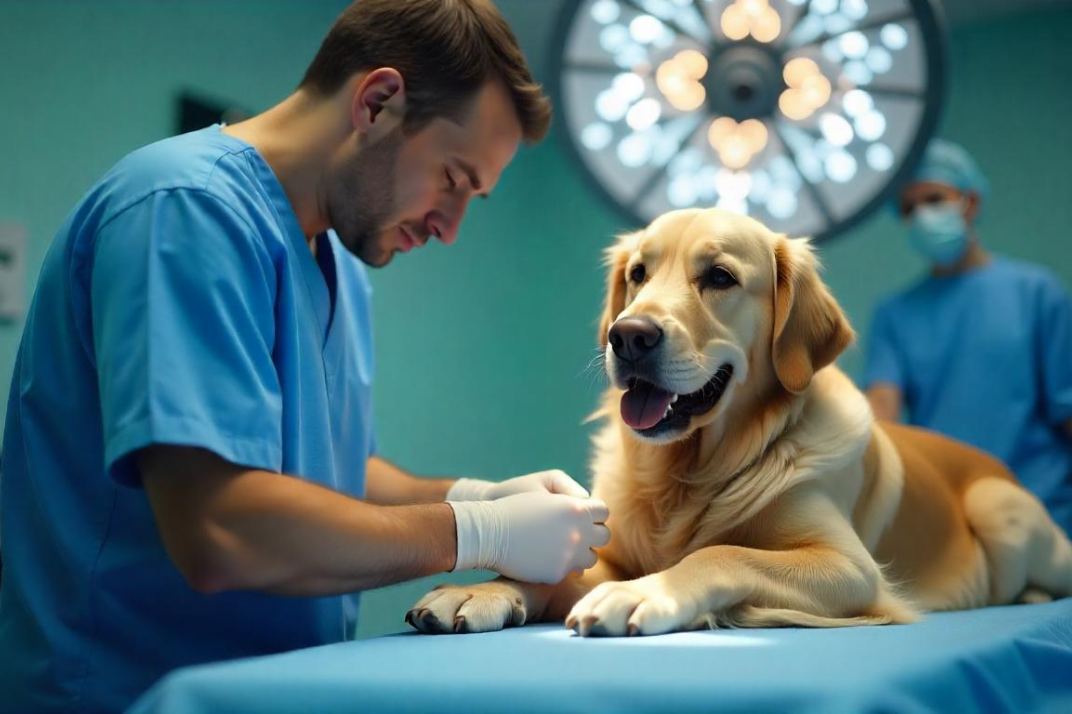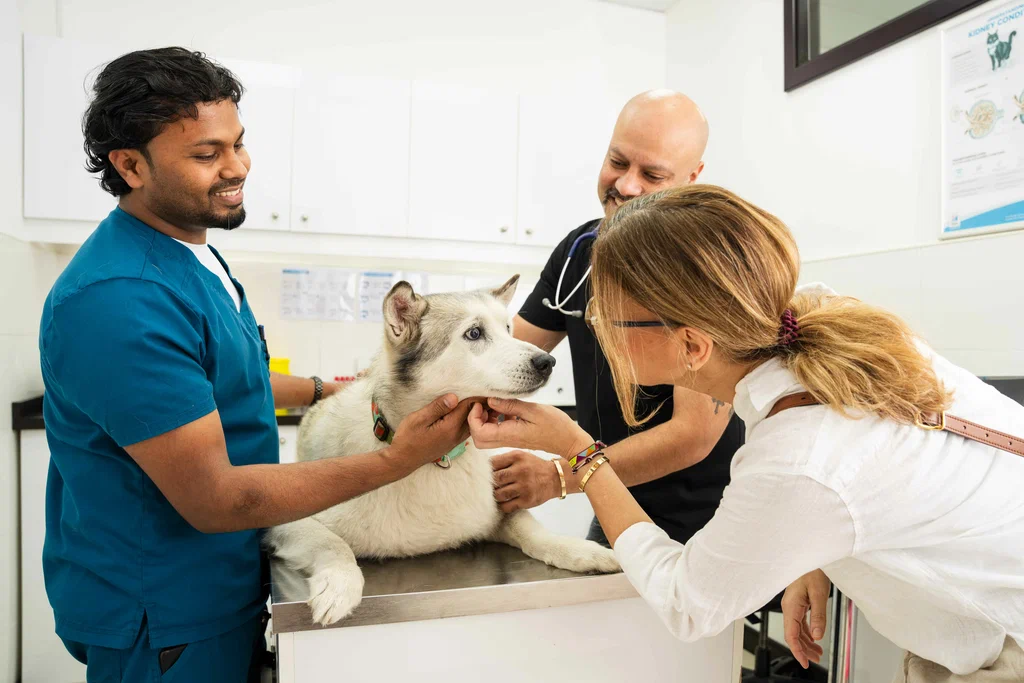
Orthopedic surgery can be overwhelming for both pets and their owners. Whether it’s a cruciate ligament repair, bone fracture correction, or joint surgery, your dog needs extra attention, patience, and gentle care during recovery. With the right approach, you can help your dog return to their active, happy life more smoothly.
This guide breaks down everything you need to know, from pain management to mobility support, so you can confidently care for your pup after surgery.
Understanding What Orthopedic Surgery Means for Your Dog
Orthopedic surgery focuses on bones, joints, ligaments, and muscles. Procedures like TPLO, joint repairs, patella correction, or fracture fixation require precision and expertise. Many pet parents seek orthopaedic veterinary surgeons in Dubai Silicon Oasis to ensure the highest level of care. Experienced surgeons and specialized facilities greatly influence the outcome of the healing process.
Knowing what your dog has undergone, whether minor or major repair, helps you prepare for the recovery journey ahead.
1. Preparing Your Home for a Safe and Stress-Free Recovery
Before your dog returns home, it’s important to create a calm, safe environment specially designed for healing. This prevents re-injury and gives your dog the comfort they need.
Set up a cozy recovery zone:
- A quiet corner with a soft orthopedic bed
- Non-slippery flooring to prevent falls
- A crate or playpen to limit movement when unsupervised
- Easy access to water and a small meal area nearby
Consider blocking staircases and furniture your dog may be tempted to jump on. For the first few weeks, restricting activity is crucial.
2. Following the Vet’s Post-Operative Instructions Carefully
After orthopedic surgery, every dog receives a customized recovery plan. Follow your veterinarian’s guidance strictly, it’s your dog’s roadmap to healing.
This may include:
- Pain medication schedules
- Anti-inflammatory or antibiotic prescriptions
- Bandage care instructions
- Activity restrictions
- Follow-up appointment dates
- Physiotherapy recommendations
Pet parents often rely on the best orthopedic veterinarian to guide them through this stage, especially when complications need quick attention.
3. Managing Pain and Keeping Your Dog Comfortable
Pain management is one of the most important aspects of post-surgery care. Your dog may not be able to express pain verbally, but they show it through behavior: whining, restlessness, panting, or avoiding movement.
Ways to help manage pain:
- Administer prescribed pain medications on time
- Keep your dog in a warm, comfortable resting spot
- Avoid forcing movement
- Maintain a calm environment
Never give human painkillers, they can be extremely dangerous and even fatal for dogs.
4. Preventing Infection and Caring for the Surgical Site
The surgical incision must stay clean and dry to prevent infections.
Tips for incision care:
- Check the incision twice daily
- Watch for swelling, redness, discharge, or odor
- Prevent licking by using an e-collar or recovery suit
- Avoid baths until your vet approves
- Keep bandages clean and replace them when instructed
Remember: infections can delay healing or require a second surgery. Contact your vet immediately if you notice anything unusual.
5. Restricting Movement and Managing Activity Levels
After orthopedic procedures, too much activity can undo the surgeon’s work. Jumping, running, or sudden turns can cause complications.
Safe activity guidelines:
- Short, slow leash walks only
- No off-leash outdoor activity
- No climbing stairs or jumping on/off furniture
- Use a sling or support harness if needed
Many families work with animal surgical and orthopedic specialists to understand how much movement is safe for their dog at each stage of recovery.
6. Supporting Your Dog With Physical Therapy
Rehabilitation plays a major role in regaining strength, mobility, and confidence. Once your vet gives the green light, physiotherapy can help your dog heal faster.
Common therapy options:
- Range-of-motion exercises
- Hydrotherapy (underwater treadmill)
- Laser therapy
- Strength-building routines
- Gentle massage
These therapies are often guided by a dog orthopedic surgeon in Dubai, ensuring that they’re done safely and effectively without risking reinjury.
7. Helping With Mobility, Eating, and Daily Comfort
Your dog might struggle with simple tasks during the first week. Your support makes all the difference.
Helpful tips:
- Assist your dog while standing up or walking
- Feed smaller, more frequent meals
- Keep water accessible but prevent spills
- Use orthopedic bedding for joint support
- Keep nails trimmed to prevent slipping
Be patient, your dog needs time to understand their new limitations.
8. Watching for Warning Signs During Recovery
While most dogs recover smoothly, complications can happen. Contact your vet if you notice:
- Refusal to eat for over 24 hours
- Severe swelling around the incision
- Bleeding or discharge
- Sudden change in behavior
- Limping that worsens
- Vomiting or diarrhea
- Difficulty breathing or extreme lethargy
Quick action can prevent larger issues and ensure your dog stays on track with recovery.
9. Mental Stimulation and Emotional Care
Restricted movement can lead to boredom and anxiety. Keep your dog mentally engaged while keeping them physically still.
Safe mental enrichment:
- Puzzle feeders
- Lick mats
- Long-lasting chew treats
- Gentle indoor bonding games
- Soft interactive toys
Your calm presence is the biggest comfort during this time. Offer reassurance, affection, and gentle encouragement.
Pet Point Veterinary Clinic: Healing Happens Faster With the Right Veterinary Team
At Pet Point Veterinary Clinic, we provide comprehensive orthopedic care tailored to your dog’s unique needs. From experienced orthopaedic veterinary surgeons in Dubai Silicon Oasis to advanced diagnostics, physiotherapy support, and compassionate aftercare, our team is committed to giving your pet the safest and smoothest recovery possible. Whether your dog needs post-operative guidance, mobility support, or follow-up monitoring, our highly skilled team ensures you’re never alone on this journey. We believe every pet deserves personalized orthopedic care, delivered with expertise, empathy, and genuine love.
Frequently Asked Questions (FAQs)
1. How long does it take for a dog to heal after orthopedic surgery?
ANS- Most dogs recover within 6–12 weeks, but full healing may take up to 6 months depending on the surgery.
2. Can my dog walk immediately after surgery?
ANS- Yes, short and slow supported walks are usually allowed, but only under veterinary guidance.
3. Is physiotherapy important for recovery?
ANS- Absolutely. It helps rebuild strength, reduce pain, and improve joint function.
4. What should I do if my dog licks the incision?
ANS- Use an e-collar or recovery suit immediately, licking can cause infection or open the incision.
5. When can my dog resume normal activities?
ANS- Usually after the vet confirms healed bones and joints via physical exam or X-ray.
6. What if my dog refuses to eat after surgery?
ANS- Small appetite changes are normal, but refusal to eat for more than 24 hours requires a vet check.