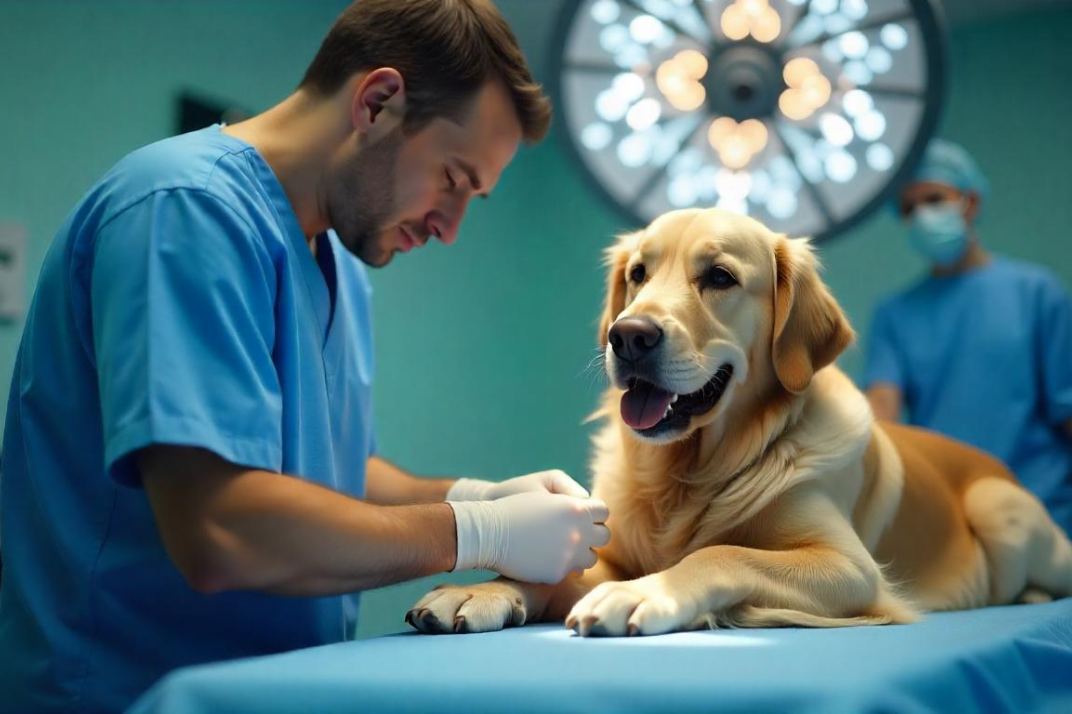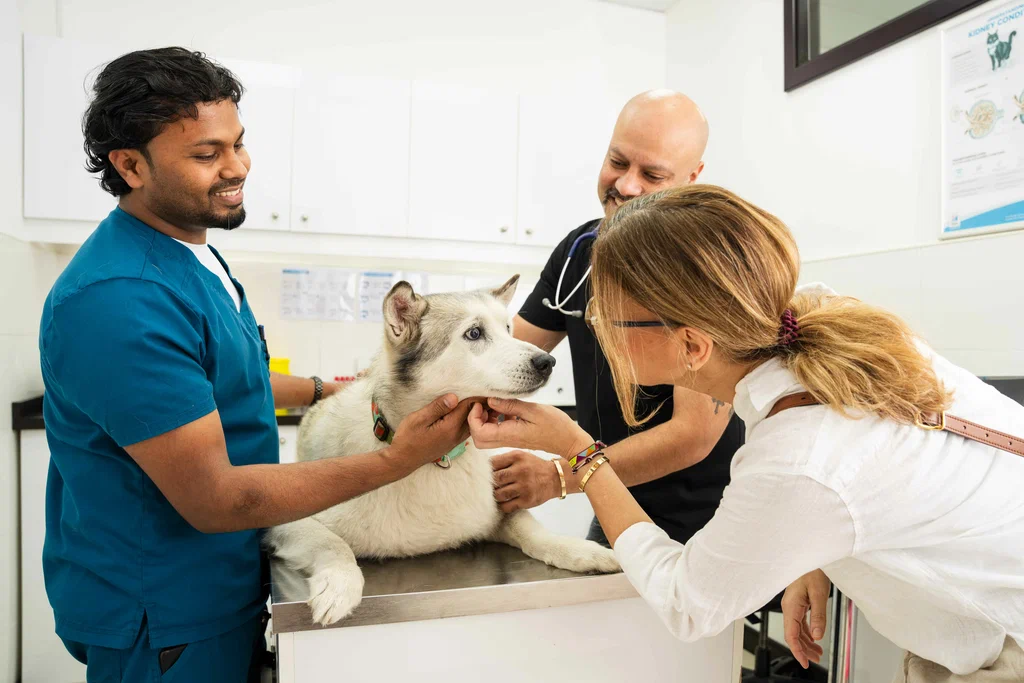
When your pet starts limping, avoids stairs, or becomes less interested in playing, it can be difficult to know what is wrong. Bone, joint, ligament, and muscle problems can affect pets at any age, from energetic puppies to senior companions. Getting the right veterinary assessment early can help identify the cause and prevent discomfort from becoming a long-term problem.
Orthopedic care focuses on conditions affecting your pet’s musculoskeletal system. Depending on the diagnosis, treatment may include medication, weight management, physiotherapy, or surgery. If your pet requires a specialist procedure, choosing an experienced best pet veterinary orthopedic surgeon dubai can help ensure your companion receives appropriate and compassionate care.
What Does a Veterinary Orthopedic Surgeon Do?
An orthopedic veterinary surgeon specialises in diagnosing and treating conditions involving bones, joints, ligaments, tendons, and related structures.
Orthopedic problems can result from:
- Accidents or injuries
- Developmental conditions
- Breed-related concerns
- Age-related joint changes
- Ligament injuries
- Fractures
- Joint instability
A veterinary orthopedic evaluation usually begins with a physical examination. Depending on your pet’s symptoms, your veterinarian may recommend X-rays or other diagnostic imaging before deciding on treatment.
The goal is not simply to perform surgery. The priority is to understand the problem and choose the least invasive and most effective treatment for your pet.
Common Orthopedic Problems in Dogs and Cats
Pets can develop many different orthopedic conditions. Some of the most common include the following.
Hip Dysplasia
Hip dysplasia occurs when the hip joint does not develop normally. It can cause discomfort, stiffness, difficulty standing, and reluctance to exercise.
Large-breed dogs are particularly susceptible, although any dog can potentially develop hip problems.
Cruciate Ligament Injuries
Cruciate ligament injuries are common causes of hind-leg lameness in dogs. Affected pets may suddenly stop putting weight on a leg or struggle to walk normally.
Some injuries can be managed conservatively, while others require surgical stabilisation.
Patellar Luxation
Patellar luxation occurs when the kneecap moves out of its normal position. Dogs may occasionally skip, lift a hind leg, or develop recurring lameness.
The appropriate treatment depends on the severity of the condition and your pet’s overall health.
Fractures
Falls, accidents, and other trauma can cause broken bones. Depending on the fracture, surgical repair may involve specialised plates, screws, pins, or other fixation techniques.
Arthritis
Arthritis is particularly common in older pets. It can cause stiffness, reduced activity, difficulty climbing stairs, and reluctance to jump.
Not every arthritic pet needs surgery. A veterinarian can recommend a suitable combination of pain management, exercise, weight control, and other treatments.
When Should Your Pet See an Orthopedic Specialist?
Some changes in movement deserve prompt veterinary attention. Contact your veterinarian if you notice:
- Persistent limping
- Difficulty standing
- Reluctance to climb stairs
- Reduced interest in play
- Swollen joints
- Difficulty jumping
- Stiffness after resting
- Sudden inability to bear weight
- Changes in walking pattern
A minor-looking limp can sometimes indicate a more significant orthopedic problem. Early assessment allows the veterinary team to understand the cause and recommend suitable treatment.
What Does a Canine Orthopedic Specialist Treat?
A canine orthopedic specialist focuses particularly on musculoskeletal conditions affecting dogs. Their expertise can be valuable when a pet has a complex injury, requires advanced imaging, or may benefit from surgical intervention.
Depending on the diagnosis, orthopedic treatment may include:
- Fracture repair
- Cruciate ligament surgery
- Joint stabilisation
- Patellar luxation correction
- Hip-related procedures
- Surgical management of severe joint conditions
The recommended procedure depends entirely on your dog’s condition. Surgery should never be considered a one-size-fits-all solution.
How Is an Orthopedic Condition Diagnosed?
A thorough diagnosis is essential before deciding whether surgery is necessary.
- Physical Examination: The veterinarian evaluates your pet’s gait, posture, joints, muscle condition, and range of movement.
- Diagnostic Imaging: X-rays are commonly used to assess bones and joints. Additional imaging may be recommended when more detailed information is required.
- Medical History: Your pet’s age, breed, activity level, previous injuries, and symptoms all contribute to the diagnostic process.
- Pre-Surgical Assessment: If surgery is recommended, your pet may undergo additional examinations and tests to determine whether they are suitable for anaesthesia and surgery.
Help Your Pet Move Comfortably Again with Pet Point Veterinary Clinic
Your pet deserves to enjoy walks, playtime, cuddles, and everyday movement without unnecessary discomfort. At Pet Point Veterinary Clinic, we combine careful orthopedic assessment with compassionate veterinary care to understand what your pet needs. From diagnosing mobility concerns to supporting surgical treatment and recovery, our team is here to guide you and your furry companion throughout the journey.
If you have noticed limping, stiffness, reduced activity, or difficulty moving, don’t wait for the problem to worsen. Contact the Pet Point Veterinary Clinic today to schedule an orthopedic consultation and take the next step toward helping your pet move with greater comfort and confidence.
Frequently Asked Questions
1. When does a pet need an orthopedic specialist?
Pets may need specialist evaluation for persistent lameness, fractures, ligament injuries, joint problems, or mobility changes that require advanced diagnosis.
2. Is orthopedic surgery safe for dogs?
Orthopedic surgery can be performed safely when appropriate, with pre-surgical assessment, careful anaesthesia monitoring, sterile techniques, and proper postoperative care.
3. How long does orthopedic recovery take?
Recovery varies by procedure and condition. Some pets improve within weeks, while more complex surgeries require several months.
4. Can older pets undergo orthopedic surgery?
Yes. Older pets may undergo surgery after appropriate health assessments determine that anaesthesia and treatment are suitable for them.
5. How much does orthopedic surgery cost?
Costs vary according to diagnosis, surgical complexity, imaging, anaesthesia, implants, medications, hospitalisation, and follow-up care required for recovery.
6. What should I do if my dog suddenly starts limping?
Restrict activity and arrange veterinary evaluation promptly, especially if your dog cannot bear weight, appears painful, or has experienced an injury.