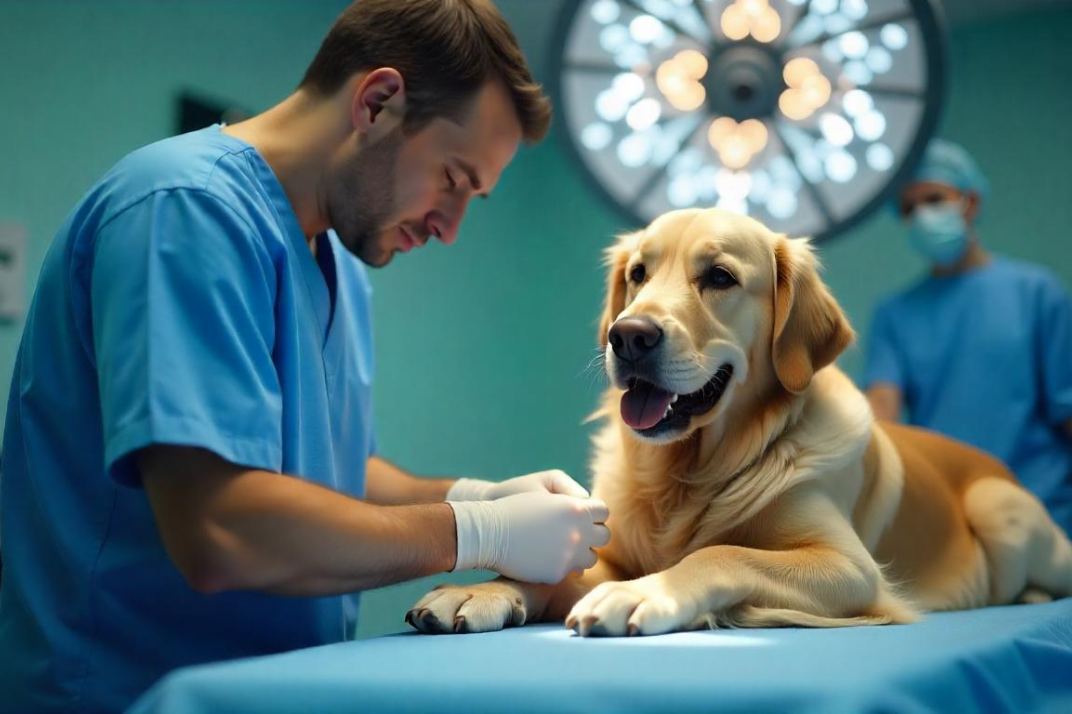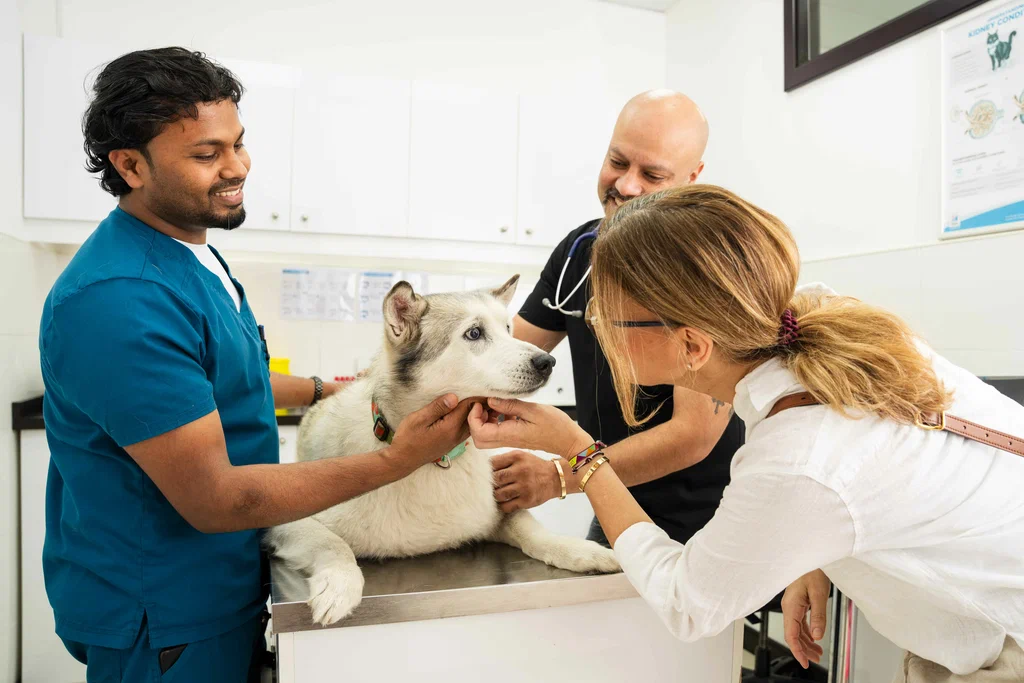
Watching your dog struggle to walk, run, or climb stairs can be worrying for any pet owner. Dogs love being active, and mobility problems can affect not only their physical health but also their happiness and confidence. Fortunately, modern veterinary medicine offers advanced solutions for many bone, joint, and ligament conditions through orthopedic surgery for dogs.
Whether your dog has suffered an injury or developed a long-term orthopedic condition, receiving timely diagnosis and treatment can make a significant difference. This guide explains common orthopedic conditions in dogs, available surgical treatments, the recovery process, and how choosing the best dog orthopedic surgeon can help your furry companion return to an active, pain-free life.
What Is Orthopedic Surgery for Dogs?
Orthopedic surgery focuses on diagnosing and treating conditions that affect a dog’s bones, joints, ligaments, tendons, and muscles. These procedures aim to restore normal movement, relieve pain, and improve your dog’s overall quality of life. Veterinary orthopedic surgery may be recommended for congenital conditions, age-related joint diseases, fractures, or traumatic injuries. An experienced orthopedic surgeon carefully evaluates your dog’s condition before recommending the most suitable treatment plan.
Choosing professional orthopedic surgery for dogs allows many pets to regain mobility and enjoy their favourite activities once again.
Common Orthopedic Conditions in Dogs
Dogs of all breeds and ages can develop orthopedic problems, although larger breeds and highly active dogs may be more susceptible.
Hip Dysplasia
Hip dysplasia occurs when the hip joint develops abnormally, causing instability, discomfort, and gradual joint degeneration.
Common signs include:
- Difficulty standing
- Reluctance to exercise
- Bunny hopping while running
- Limping
- Joint stiffness
Early diagnosis can help manage symptoms and improve long-term outcomes.
Cruciate Ligament Injuries
Damage to the cranial cruciate ligament (CCL) is one of the most common causes of hind leg lameness.
Dogs with ligament injuries may show:
- Sudden limping
- Difficulty bearing weight
- Swollen knees
- Reduced activity
Many dogs benefit from surgical stabilisation to restore joint function.
Patellar Luxation
Patellar luxation occurs when the kneecap slips out of its normal position.
Affected dogs may:
- Skip while walking
- Suddenly lift one leg
- Experience intermittent limping
Surgery is often recommended for moderate to severe cases.
Bone Fractures
Road accidents, falls, or trauma can result in fractures requiring surgical repair using plates, screws, pins, or external fixation devices.
Prompt treatment supports proper healing and reduces the risk of long-term complications.
Elbow Dysplasia
This developmental condition affects the elbow joint and commonly occurs in growing large-breed dogs.
Signs include:
- Front leg lameness
- Stiffness
- Pain after exercise
- Difficulty getting up
Surgical correction may improve comfort and joint function.
Arthritis and Degenerative Joint Disease
Older dogs commonly develop arthritis due to gradual joint wear. Although arthritis cannot always be cured, surgery may help in selected cases where joint damage is severe.
Signs Your Dog May Need Orthopedic Care
Recognising early symptoms allows your veterinarian to begin treatment before conditions become more serious.
Watch for:
- Persistent limping
- Difficulty climbing stairs
- Reduced willingness to play
- Joint swelling
- Stiffness after resting
- Trouble standing up
- Crying when moving
- Changes in walking pattern
If your dog displays these signs, consulting experienced orthopedic surgeons for dogs can help identify the underlying problem.
Common Orthopedic Surgical Treatments
Veterinary orthopedic surgery includes several advanced procedures tailored to each dog’s condition.
- TPLO Surgery: Tibial Plateau Leveling Osteotomy (TPLO) is commonly performed to treat cruciate ligament injuries by stabilising the knee joint.
- TTA Surgery: Tibial Tuberosity Advancement (TTA) is another surgical option for repairing cruciate ligament damage in suitable patients.
- Fracture Repair: Broken bones are repaired using specialised implants that stabilise the fracture while healing occurs.
- Femoral Head Ostectomy (FHO): This procedure removes the damaged portion of the hip joint, relieving pain and improving mobility in selected cases.
- Joint Reconstruction: Advanced reconstructive procedures help restore joint stability following traumatic injuries or severe orthopedic disease.
- An experienced team of orthopedic surgeons for dogs determines the most appropriate procedure based on your dog’s diagnosis and overall health.
Choosing the Best Dog Orthopedic Surgeon
Selecting the right surgeon is one of the most important decisions for your dog’s recovery.
Look for:
Advanced Surgical Experience
Orthopedic procedures require specialised training and extensive clinical experience.
Modern Diagnostic Equipment
Digital imaging and comprehensive orthopedic evaluations help ensure accurate diagnosis.
Individualised Treatment Plans
Every dog deserves a personalised approach based on age, breed, activity level, and medical history.
Compassionate Care
A caring team understands that both pets and owners need reassurance throughout treatment.
If you’re searching for the best dog orthopedic surgeon, choose a veterinary clinic that combines advanced surgical expertise with compassionate patient care.
Recovery After Orthopedic Surgery
Successful recovery depends on proper home care and close communication with your veterinary team.
Recovery recommendations often include:
- Restricted activity
- Short leash walks
- Pain management
- Regular follow-up appointments
- Controlled rehabilitation exercises
- Healthy nutrition
- Weight management
Most dogs gradually regain strength over several weeks or months depending on the type of surgery performed.
Owners play an important role by following all recovery instructions carefully.
Supporting Your Dog During Recovery
Recovery is a team effort between veterinary professionals and pet owners.
You can help by:
- Providing a quiet resting area
- Preventing jumping and running
- Administering medications as prescribed
- Monitoring the surgical incision
- Encouraging gentle rehabilitation exercises
- Attending scheduled recheck appointments
Patience and consistency help your dog recover safely and comfortably.
Why Early Treatment Matters
Orthopedic problems often worsen if left untreated.
Seeking veterinary care early may help:
- Reduce chronic pain
- Improve mobility
- Prevent additional joint damage
- Shorten recovery time
- Improve long-term quality of life
If your dog develops persistent lameness or difficulty moving, early evaluation can make a significant difference.
Pet owners seeking experienced orthopaedic veterinary surgeons in Dubai Silicon Oasis should choose a veterinary team with expertise in advanced orthopedic diagnosis, surgery, and rehabilitation.
Give Your Dog the Freedom to Move Comfortably with Pet Point Veterinary Clinic
At Pet Point Veterinary Clinic, we understand that seeing your dog struggle with pain or reduced mobility can be emotionally challenging. Our experienced veterinary team is dedicated to providing advanced orthopedic care using modern diagnostic technology, precise surgical techniques, and compassionate treatment tailored to every patient. From fracture repairs and ligament surgeries to complex joint procedures, we focus on helping your dog regain strength, confidence, and an active lifestyle.
Whether your companion requires orthopedic surgery for dogs or a detailed orthopedic evaluation, our skilled orthopaedic veterinary surgeons in Dubai Silicon Oasis are committed to delivering exceptional care throughout every stage of treatment and recovery. At Pet Point Veterinary Clinic, your dog’s comfort, health, and happiness are always our highest priorities.
Frequently Asked Questions
1. When does a dog need orthopedic surgery?
Orthopedic surgery may be recommended for fractures, ligament injuries, hip dysplasia, joint instability, or severe orthopedic conditions affecting mobility.
2. Is orthopedic surgery safe for dogs?
Yes. Modern veterinary orthopedic procedures are generally safe when performed by experienced surgeons using advanced surgical techniques and careful anaesthesia monitoring.
3. How long does recovery usually take?
Recovery depends on the condition and procedure, but many dogs gradually improve over several weeks with proper rehabilitation and home care.
4. Will my dog need physical rehabilitation after surgery?
Many dogs benefit from rehabilitation exercises that improve strength, flexibility, balance, and overall recovery following orthopedic surgery.
5. How can I prepare my dog for surgery?
Follow your veterinarian’s instructions regarding fasting, medications, pre-surgical testing, and post-operative planning to ensure the safest possible procedure.
6. Can older dogs undergo orthopedic surgery?
Yes. Many senior dogs successfully undergo orthopedic surgery after a thorough health assessment confirms they are suitable surgical candidates.