When your pet suffers a fracture, the world seems to pause. Suddenly, your playful companion who once ran, jumped, and explored freely is struggling to stand, limping, crying, or unable to bear weight. It’s a moment no pet parent ever wants to face, but it’s also when advanced orthopedic care becomes your pet’s lifeline.
Thanks to modern veterinary medicine and the expertise of specialists, broken bones in pets can now be repaired with impressive precision. Clinics like Pet Point Veterinary Clinic have transformed the recovery journey through skilled fracture fixation, compassionate care, and state-of-the-art technology.
This detailed guide walks you through how orthopedic surgeons diagnose, repair, and stabilize fractures, so your pet can safely return to their happy, active life.
Understanding When Your Pet Needs an Orthopedic Surgeon
Not all fractures are the same. Some breaks are minor and may heal with rest and splinting, while others are complex and require the attention of an expert dog orthopedic surgeon in Dubai or a specialized veterinary orthopedic team.
Your pet may need advanced orthopedic care if you notice:
- Sudden limping or refusal to put weight on a limb
- Visible swelling or bruising
- Pain when touched
- Unusual bone angles or deformity
- Crying, whimpering, or restlessness
- Inability to walk
Dubai’s active lifestyle-dog parks, beach trips, and outdoor play, can sometimes lead to accidental falls, vehicle injuries, or sports-related fractures. With timely intervention, pets can heal fully and regain their mobility.
The Role of a Veterinary Orthopedic Specialist
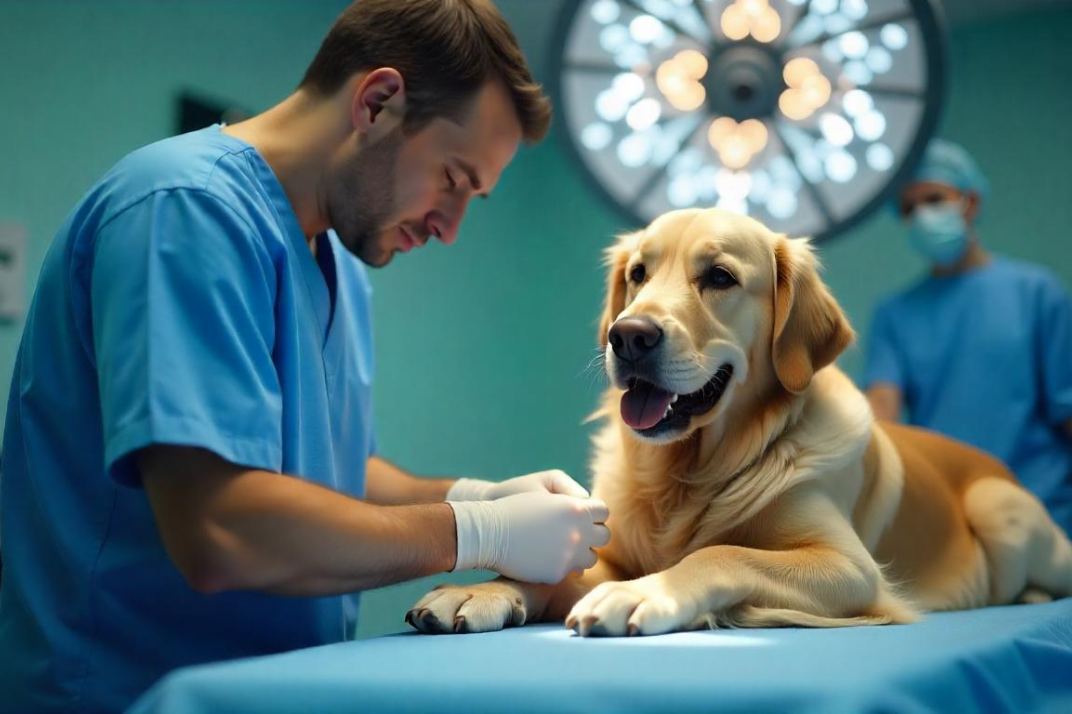
A vet orthopedic specialist is trained to diagnose and treat conditions affecting bones, joints, ligaments, and the musculoskeletal system. When dealing with fractures, their goal is simple: restore alignment, ensure bone stability, and promote natural healing with minimal discomfort.
At Pet Point Veterinary Clinic, orthopedic surgeons combine medical expertise with gentle care to assess each fracture individually and choose the safest, most effective repair method.
How Fractures Are Diagnosed: The First Step Toward Healing
Fractures can be internal and invisible to the naked eye, which is why accurate diagnosis is crucial.
Orthopedic diagnosis typically includes:
1. Physical Examination:
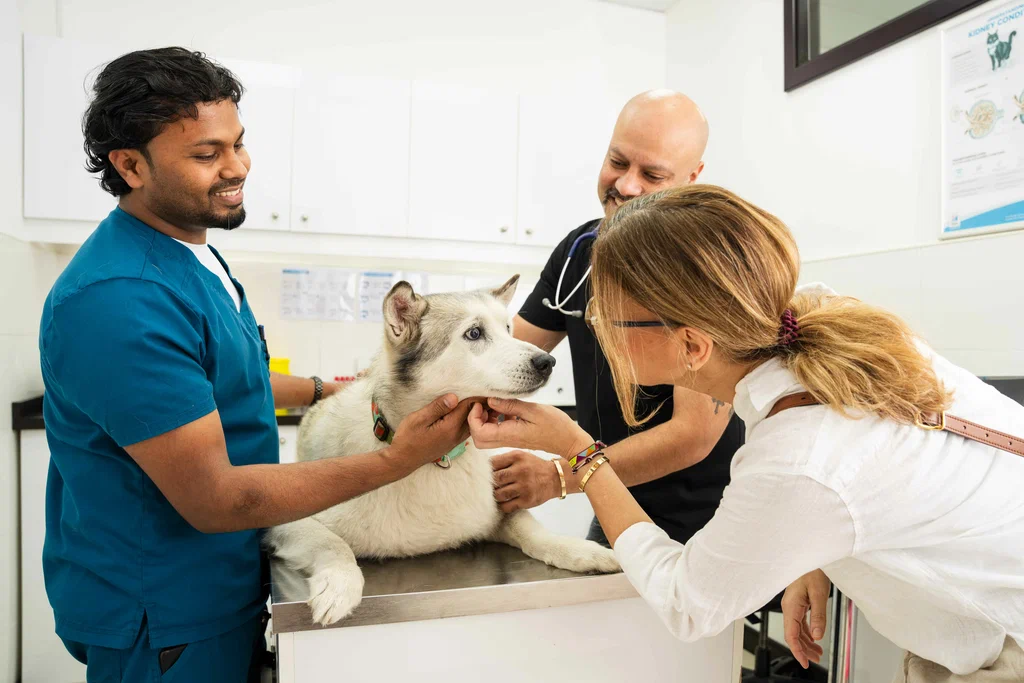
The orthopedic vet gently assesses swelling, range of motion, and pain response.
2. X-rays:
These images reveal the exact type and location of the fracture. X-rays are essential before and after surgery.
3. Advanced Imaging (when needed):
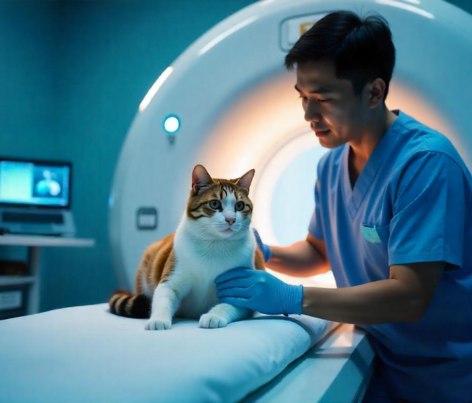
In complicated cases, CT scans help visualize multi-fragment fractures more clearly.
This detailed assessment helps the orthopedic surgeon determine the best fixation technique for your dog or cat.
Types of Pet Fractures and What They Mean
Pets may experience different types of bone breaks, each needing specific treatment:
- Simple fractures: clean break, easier to align
- Compound fractures: bone piercing through the skin
- Comminuted fractures: bone shattered into multiple pieces
- Growth plate fractures: common in puppies and kittens
- Joint fractures: involving elbows, hips, knees, or shoulders
No matter the severity, timely orthopedic care increases the chances of complete recovery.
Fracture Fixation: How Specialist Surgeons Repair Broken Bones
Once the fracture is diagnosed, the orthopedic surgeon selects the most effective treatment method. Here’s how modern veterinary teams repair bones with precision:
1. External Splints and Casts: Stabilizing Simple Fractures
These are used for fractures that are stable, minimally displaced, and located below the elbow or knee.
- Non-invasive
- Affordable
- Requires strict rest
- Suitable for young pets with strong healing ability
However, not all fractures respond well to casting. Many require surgical stabilization to ensure proper alignment.
2. Internal Fixation: Surgical Repair for Strong, Stable Healing
This is the most common and most precise method used by orthopedic surgeons.
Internal fixation involves surgically opening the fracture site and stabilizing the bone using:
- Bone plates and screws
- Intramedullary (IM) pins
- Orthopedic wires
- Locking plate systems for high-impact stability
This method ensures the bone heals in perfect alignment, ideal for active dogs and energetic cats who need long-term durability in their joints and limbs.
3. External Fixators: Support From the Outside
For severe or open fractures, surgeons may use metal pins connected to external frames outside the skin.
Benefits include:
- Excellent alignment
- Adjustable support
- Perfect for complicated or contaminated wounds
- Allows easy cleaning and monitoring
This method is often used when internal implants are not advisable.
Pet Point’s Role in Advanced Orthopedic Care
As a trusted pet recovery orthopedic clinic and surgery, Pet Point provides complete fracture management under one roof, including:
- Digital X-rays
- Pre-surgical assessment
- Advanced orthopedic surgery
- Post-operative care and pain management
- Physiotherapy and rehabilitation
The clinic’s orthopedic team brings a combination of skill, compassion, and modern equipment to ensure safe healing and long-term comfort.
After the Surgery: Helping Your Pet Recover with Care and Comfort
Recovery doesn’t end when the fracture is repaired—it begins there.
A successful healing process requires:
1. Pain Management
Medication reduces discomfort and helps pets rest peacefully.
2. Controlled Movement
Limited activity prevents re-injury. Crate rest or confinement may be required.
3. Bandage and Wound Care
Keeping the area clean and dry is essential for preventing infection.
4. Follow-Up X-rays
These check progress and confirm bone healing.
5. Physiotherapy & Rehabilitation
Light exercises, massage, and hydrotherapy help restore mobility and muscle strength.
At Pet Point, the orthopedic team closely monitors recovery, giving your pet the best chance of regaining full movement and confidence.
Pet Point Veterinary Clinic for Orthopedic Surgery
Choosing an orthopedic pet doctor in Dubai Silicon Oasis means choosing the right team to support your pet through injury, surgery, and recovery.
Pet Point stands out because they offer:
- A skilled orthopedic surgical team
- Modern diagnostic imaging
- Safe anesthesia and monitoring
- Clean, advanced surgical suites
- Personalized recovery plans
- Warm, compassionate care
Your fur baby is never “just a case”, they are treated like family.
FAQs
1. How do I know if my pet has a fracture?
If your pet suddenly refuses to walk, cries when touched, or has visible swelling or limb deformity, they may have a fracture. Immediate veterinary care is essential.
2. How long does bone healing take in pets?
Most fractures heal in 6–12 weeks, depending on age, fracture type, and treatment method. Young pets heal faster.
3. Can my pet live normally after fracture surgery?
Absolutely. With proper surgical repair and rehabilitation, most pets regain full mobility and return to their normal activities.