Our furry companions often have a special way of hiding discomfort. They wag their tails, purr, and go about their day as if everything’s fine, even when their little hearts are working overtime. That’s why as pet parents, it’s important to look beyond the obvious and pay attention to subtle signs that may point to a heart issue.
If you’ve ever wondered when to seek help from a cardiologist, this guide will help you recognize those silent signs, understand what heart care involves, and learn how specialized veterinary cardiology services at Pet Point Veterinary Clinic can make a world of difference.
Why Pet Heart Health Deserves Special Attention
Just like humans, pets can suffer from heart conditions that range from mild murmurs to complex diseases. Dogs and cats can develop congenital heart issues (present from birth) or acquire them over time due to age, infections, or other illnesses.
Because these conditions often develop slowly, early symptoms can easily go unnoticed until the disease progresses. That’s where an expert pet cardiologist Dubai Silicon Oasis plays a key role, spotting early warning signs and helping your pet live a healthier, longer life.
Subtle Symptoms You Shouldn’t Ignore
Every pet parent knows their furry friend best, which makes you the first line of defense when something feels off. Here are some quiet signs that could indicate your pet’s heart needs extra care:
1. Coughing That Won’t Go Away
A persistent, dry cough, especially at night or after light activity, can indicate fluid build-up around the lungs or pressure from an enlarged heart. While coughing can sometimes be caused by allergies or infections, a vet should always evaluate it.
2. Lethargy and Low Energy Levels
If your once-active dog now prefers lying down instead of playing fetch, or your cat is sleeping more than usual, it might not just be age catching up. Fatigue is a common symptom of heart issues because the body isn’t receiving enough oxygenated blood.
3. Difficulty Breathing or Rapid Breathing
Panting after exercise is normal, but labored breathing, open-mouth breathing (in cats), or shortness of breath even at rest can signal heart trouble. If your pet seems anxious while breathing or their belly moves more than usual during each breath, it’s time to consult your vet.
4. Fainting or Collapsing Episodes
These are alarming signs. Fainting often happens when the heart cannot pump enough blood to the brain. Even a single episode should prompt an immediate visit to a pet cardiology treatment specialist.
5. Abdominal Swelling or Weight Gain
Heart disease can cause fluid accumulation in the abdomen, giving your pet a pot-bellied appearance. If your pet gains weight without eating more, this could be the reason.
6. Bluish or Pale Gums
Healthy gums are pink. If you notice your pet’s gums turning bluish or grayish, it may indicate poor oxygen circulation, a sign of possible cardiac distress.
How a Veterinary Cardiologist Can Help
When your vet suspects a heart condition, they may refer you to a veterinary cardiology services specialist. This expert has advanced training and equipment to diagnose and treat cardiac issues in pets.
At Pet Point Veterinary Clinic, our expert pet cardiologist Dubai Silicon Oasis combines compassion with cutting-edge diagnostics to ensure your pet receives precise and gentle care.
Here’s how they help:
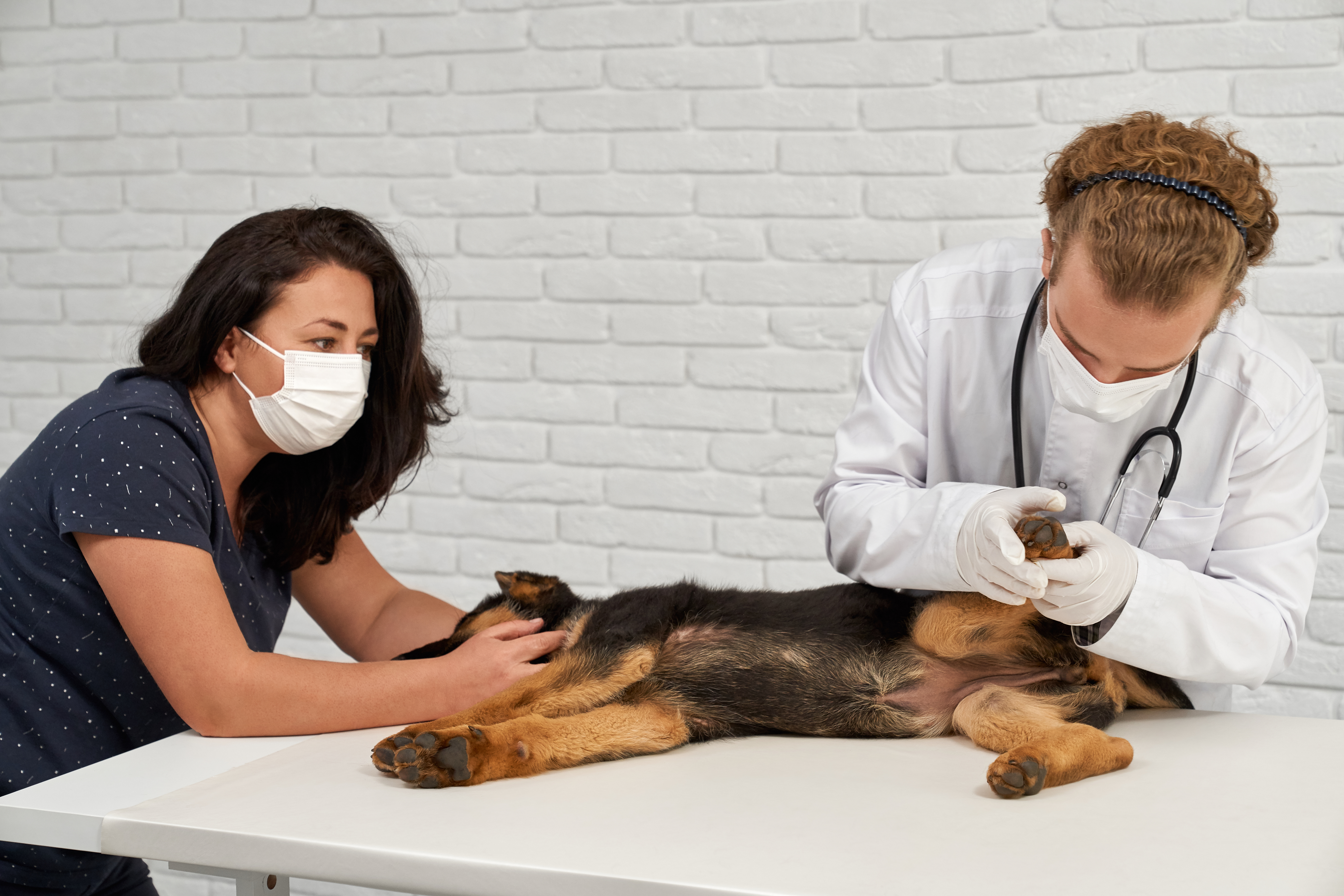
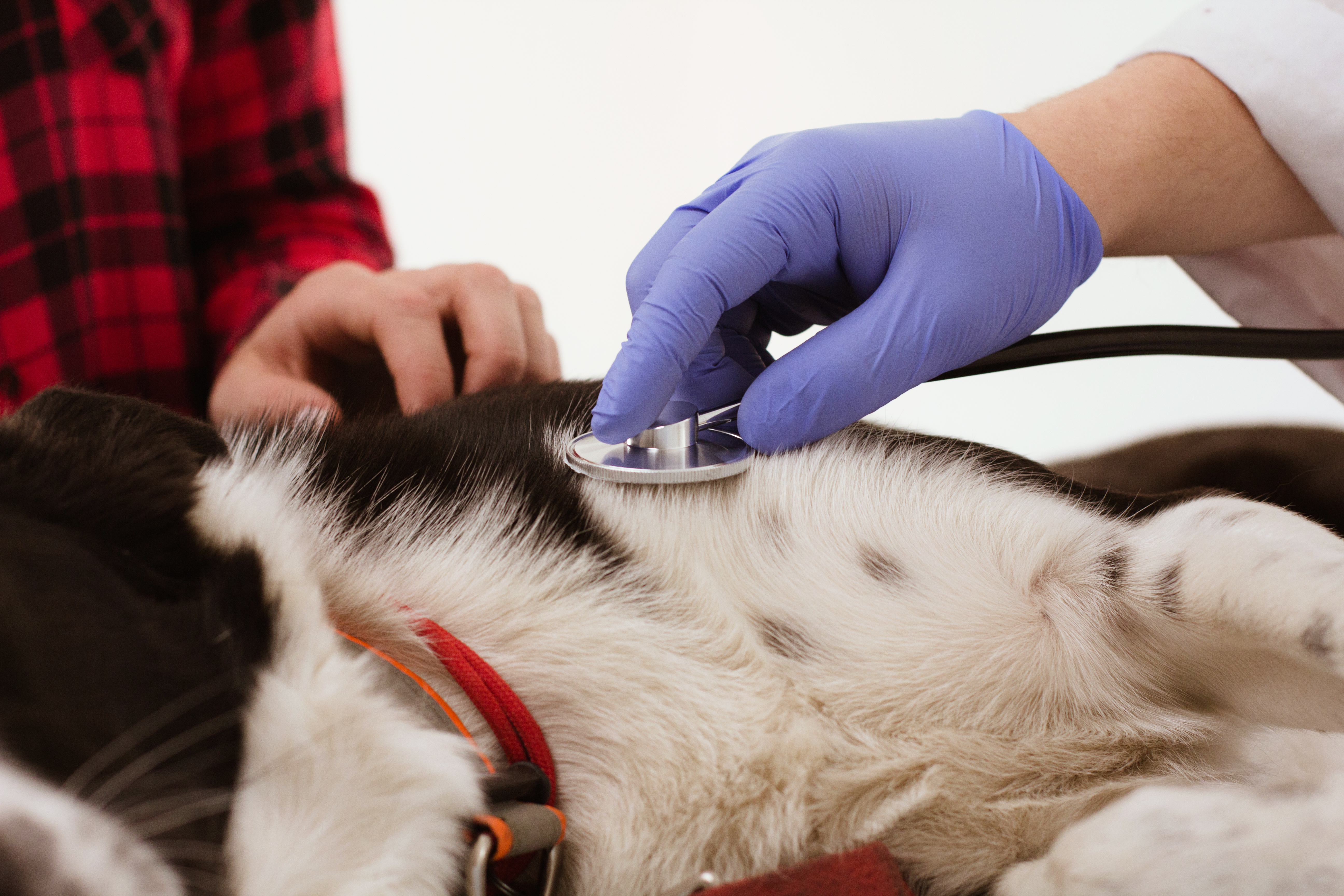
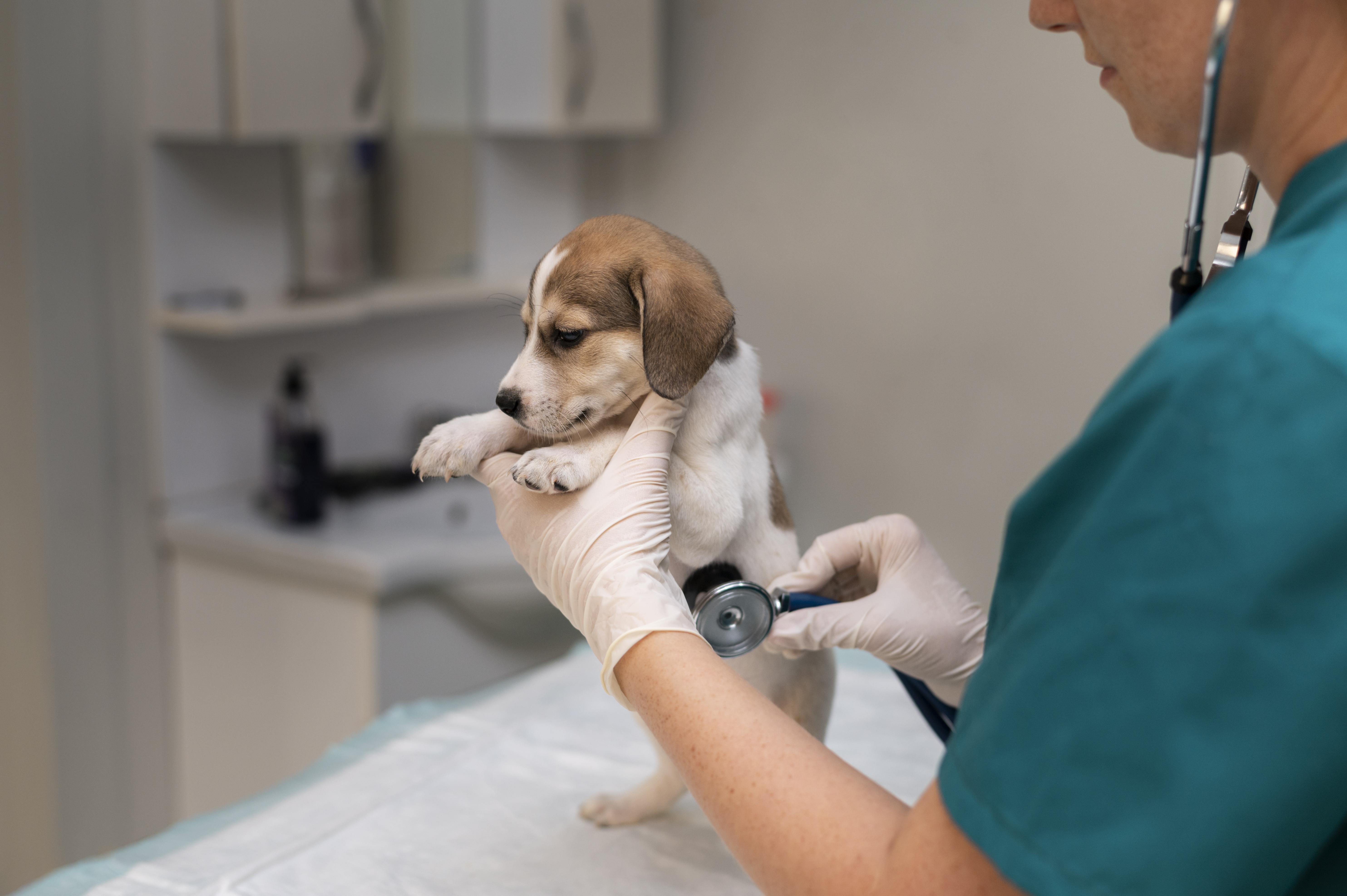
- Comprehensive Cardiac Evaluation: Listening to the heart, checking pulse quality, and assessing breathing patterns.
- Echocardiogram (Ultrasound): A detailed scan that shows the heart’s structure and motion in real time.
- Electrocardiogram (ECG): Measures the electrical activity of your pet’s heart to identify irregular rhythms.
- X-rays and Blood Tests: Help detect fluid build-up, organ function, and any secondary complications.
Once the diagnosis is made, the cardiologist will recommend the best pet cardiology treatment plan tailored to your pet’s condition.
Common Heart Diseases in Pets
Understanding what types of heart conditions pets can face helps you stay alert. Here are a few that best dog cardiologist in Dubai specialists often treat:
In Dogs:
- Mitral Valve Disease (MVD): The most common in small breeds, caused by valve degeneration that leads to blood leakage.
- Dilated Cardiomyopathy (DCM): Common in larger breeds, where the heart muscle becomes weak and enlarged.
- Heartworm Disease: Though rare in Dubai due to preventive care, imported dogs may still be at risk.
In Cats:
- Hypertrophic Cardiomyopathy (HCM): Thickening of the heart muscle that makes pumping blood more difficult.
- Restrictive or Dilated Cardiomyopathy: Less common but serious, often requiring long-term management.
The Role of Early Detection
Catching a heart condition early can make all the difference. Routine checkups, even when your pet seems healthy, can uncover small murmurs or irregular heartbeats before they become major problems.
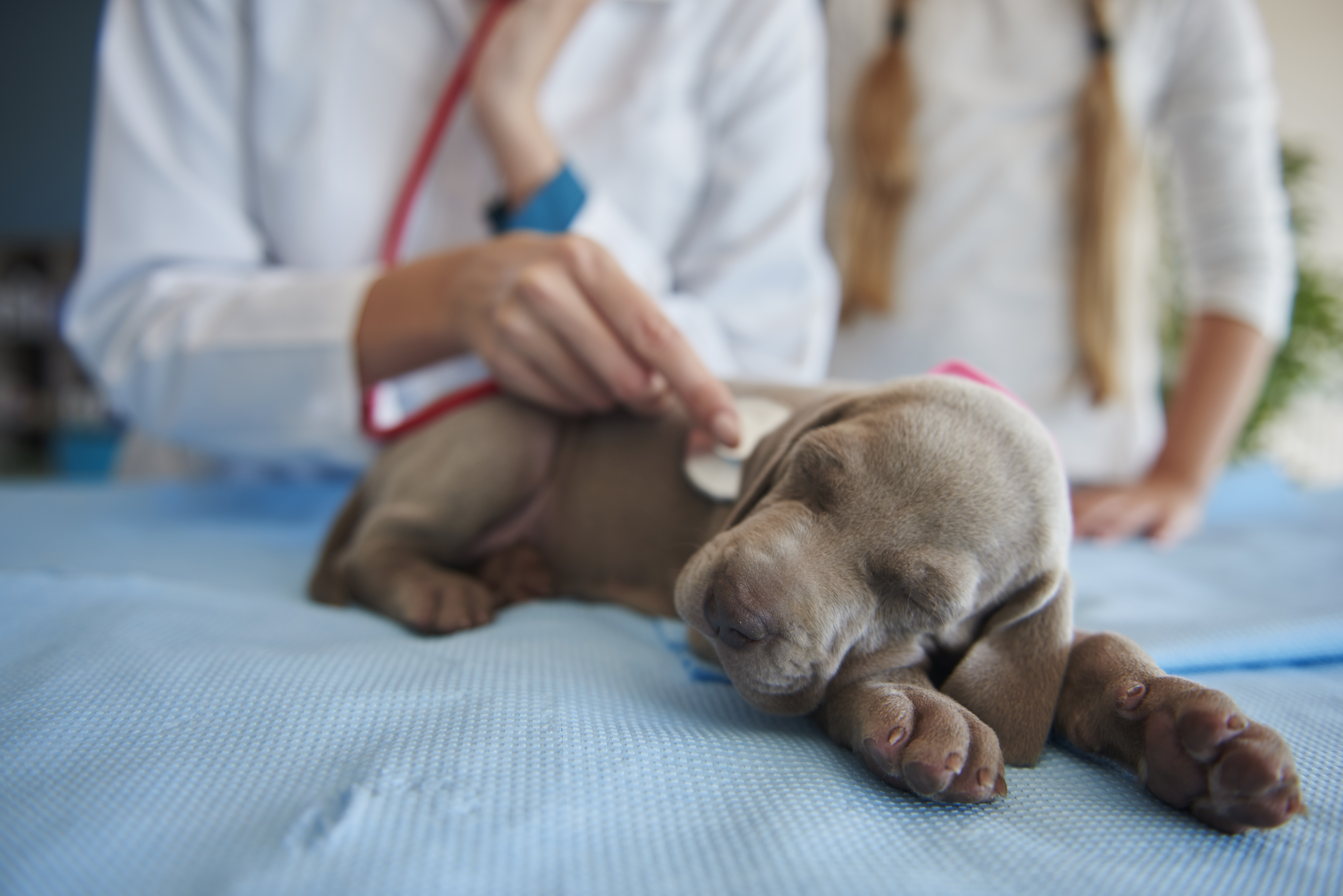
Regular wellness visits allow vets to listen to heart sounds, monitor blood pressure, and perform routine screenings. This proactive approach keeps your pet’s heart in great shape and prevents emergencies down the line.
At Pet Point, every veterinary cardiology services consultation focuses on thorough assessments and early intervention.
Lifestyle and Home Care Tips for Heart Health
Supporting your pet’s heart health doesn’t stop at the clinic. With a few simple adjustments, you can make daily life easier and healthier for your furry family member:
- Balanced Diet: Choose vet-recommended, heart-friendly foods low in sodium.
- Controlled Exercise: Gentle walks or play sessions keep circulation strong without overexertion.
- Stress-Free Environment: Pets with heart issues should avoid excessive excitement or stress.
- Routine Checkups: Follow up regularly with your vet or pet cardiology treatment specialist.
These habits, combined with professional monitoring, go a long way toward extending your pet’s life and ensuring comfort.
Pet Point Veterinary Clinic Is Dubai’s Trusted Heart Care Partner
When your pet’s heart needs special attention, you want care that combines expertise, compassion, and technology. Pet Point Veterinary Clinic offers all three.
Our expert pet cardiologist Dubai Silicon Oasis and team of professionals provide advanced diagnostics, comprehensive monitoring, and individualized care plans in a calm, pet-friendly environment. From routine screenings to complex interventions, every service is designed to keep your pet comfortable and confident.
With our commitment to early detection and ongoing support, your furry companion gets the best possible chance for a long, happy, and healthy life.
Listen to the Heart That Loves You Most
Your pet’s heart is small but full of love, and it deserves the same care and attention it gives you every day. Learning to recognize the subtle signs of heart disease can make all the difference between early recovery and advanced illness.
If you’ve noticed coughing, fatigue, or changes in your pet’s behavior, don’t wait. Schedule a veterinary cardiology services consultation at Pet Point Veterinary Clinic today.
Your furry friend’s heart deserves the gentle care of the best dog cardiologist in Dubai, right here in your neighborhood.
Frequently Asked Questions (FAQs)
1. How often should my pet have a heart checkup?
ANS- Annual checkups are ideal for most pets. However, senior pets or those with known heart issues may need more frequent evaluations every 6 months.
2. What breeds are more prone to heart disease?
ANS- Small dogs like Cavalier King Charles Spaniels and large breeds like Dobermans are more prone to heart problems. Among cats, Maine Coons and Ragdolls often develop HCM.
3. Can heart disease in pets be cured?
ANS- While not always curable, many heart conditions can be effectively managed with early diagnosis, medication, and proper lifestyle care—helping your pet live a full, joyful life.