As dogs grow older, their needs change, slower walks, gentler playtime, and more frequent health checkups become part of daily life. One area that often gets overlooked, yet plays a vital role in your senior dog’s comfort and longevity, is dental health.
Dental problems aren’t just about bad breath or yellow teeth. For senior dogs, poor oral hygiene can quietly affect their heart, kidneys, digestion, and overall quality of life. That’s why proactive dental care is one of the most important gifts you can give your aging companion.
Let’s explore how dental care supports your senior dog’s total well-being and how clinics like Pet Point Veterinary Clinic help keep those golden years truly golden.
Why Dental Health Matters More as Dogs Age
Just like humans, dogs accumulate plaque and tartar over time. In younger dogs, this may only cause mild gum irritation. In senior dogs, however, dental disease can progress rapidly and silently.
Unchecked dental problems may lead to:
- Chronic pain and discomfort
- Tooth loss
- Difficulty eating
- Bacterial infections spreading to vital organs
That’s why visiting a trusted pets oral dental clinic becomes increasingly important as your dog enters their senior years.
Understanding Dental Disease in Senior Dogs
Dental disease begins with plaque, a sticky film of bacteria that forms on teeth. Over time, plaque hardens into tartar, which irritates the gums and leads to gingivitis. If untreated, this can progress to periodontal disease, where infection affects the tissues and bones supporting the teeth.
Senior dogs are especially vulnerable because:
- Their immune systems may be weaker
- Existing health conditions can worsen infections
- Healing takes longer
Regular professional dental care helps stop this cycle before it impacts your dog’s overall health.
How Poor Dental Health Affects the Whole Body
1. Heart Health and Dental Disease
Bacteria from infected gums can enter the bloodstream and reach the heart, increasing the risk of heart disease. For senior dogs already prone to cardiac issues, dental infections add unnecessary strain.
Routine dogs dental care services help protect not just teeth, but vital organs too.
2. Kidney and Liver Complications
The kidneys and liver work hard to filter toxins from the blood. When oral bacteria circulate due to dental disease, these organs must work even harder, potentially accelerating age-related decline.
Good oral hygiene reduces this bacterial load and supports healthier organ function.
3. Pain, Appetite Loss, and Weight Changes
Dogs are experts at hiding pain. A senior dog with dental disease may:
- Eat less or avoid hard food
- Drop food while chewing
- Become irritable or withdrawn
Dental pain can lead to weight loss, nutritional deficiencies, and reduced energy levels, issues that significantly impact quality of life.
Signs Your Senior Dog Needs Dental Attention
Pet parents often mistake dental pain for “normal aging.” Watch for these warning signs:
- Persistent bad breath
- Red, swollen, or bleeding gums
- Loose or missing teeth
- Pawing at the mouth
- Reduced appetite
If you notice any of these, it’s time to schedule an appointment at a professional pet oral care in Dubai facility like Pet Point Veterinary Clinic.
Professional Dental Cleaning: What to Expect
A Gentle, Thorough Approach for Seniors
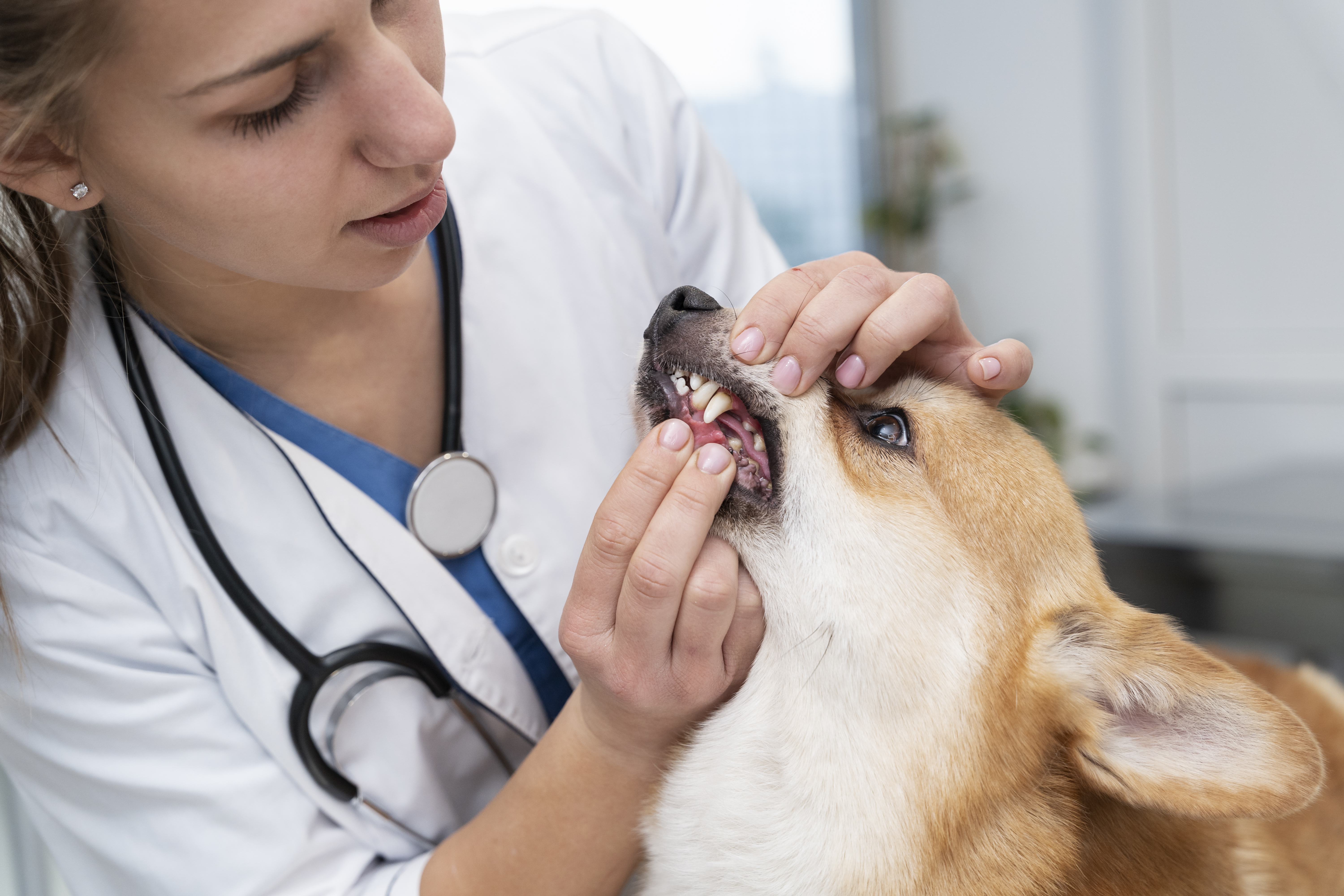
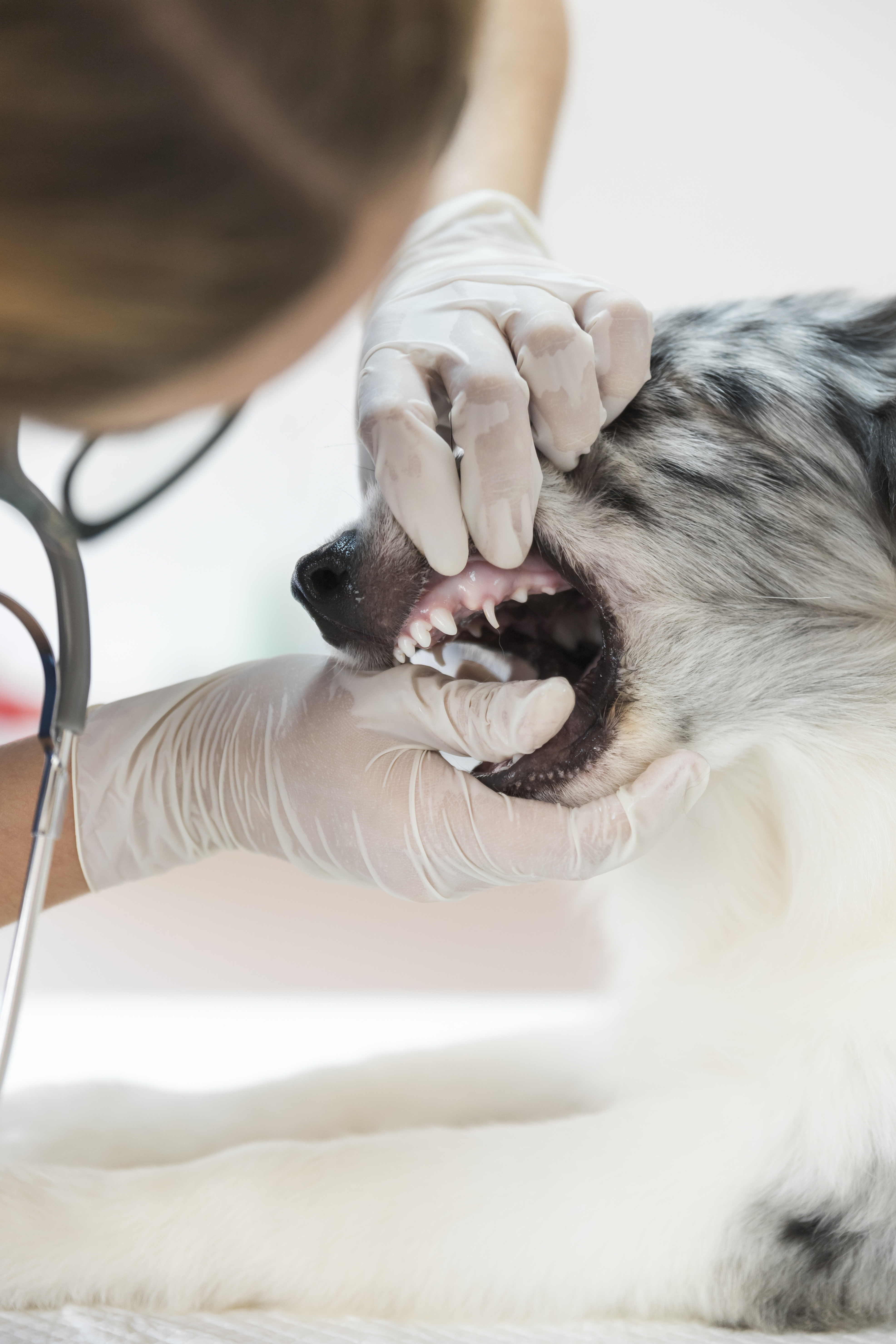
At Pet Point, dental care for senior dogs is handled with extra care and attention. Before any procedure, vets perform a full health assessment to ensure your dog is fit for anesthesia.
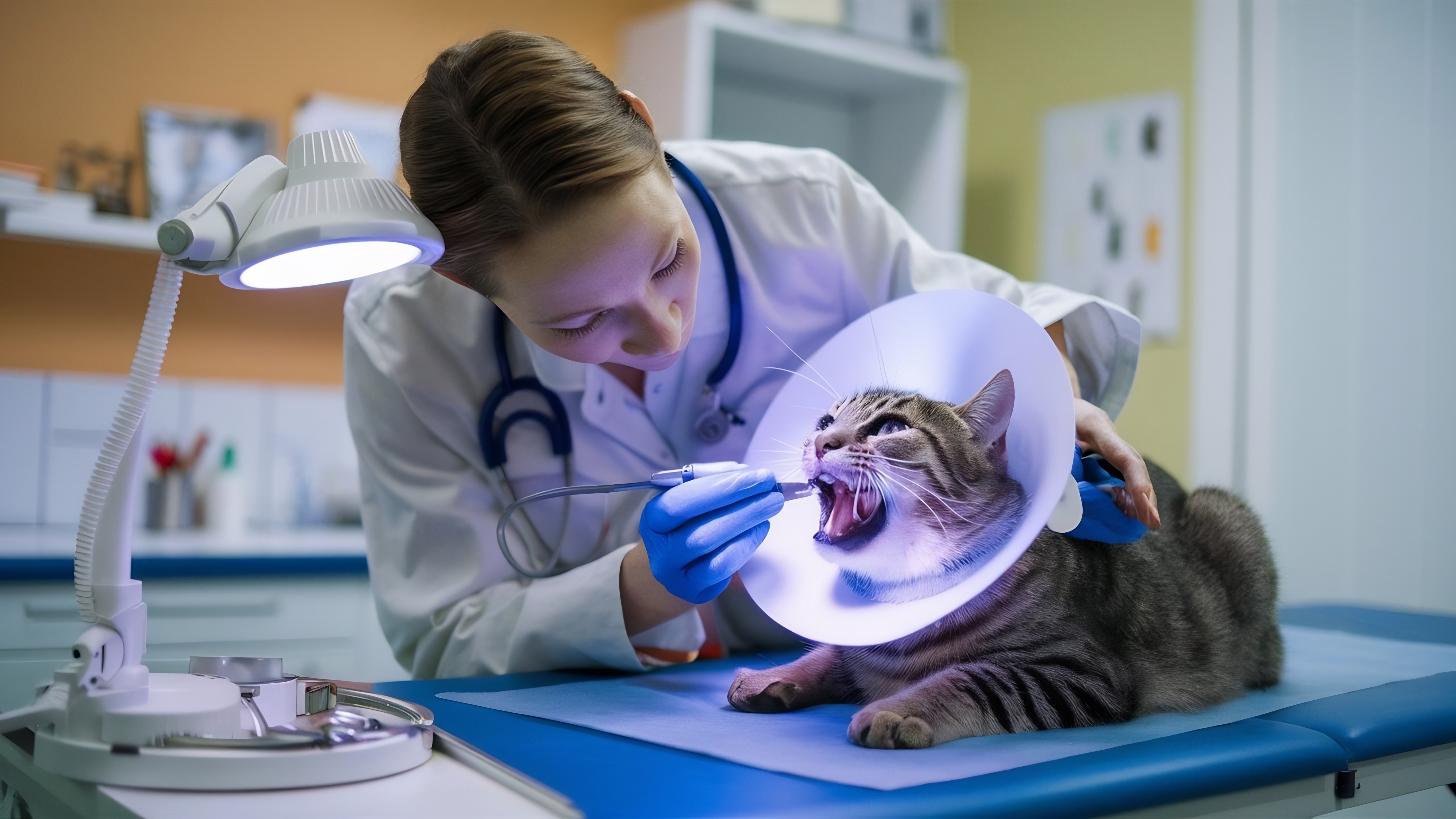
Professional dental cleaning typically includes:
- Scaling to remove plaque and tartar
- Polishing to smooth tooth surfaces
- Gum evaluation
- Tooth extractions only if absolutely necessary
These services are safely performed at dogs dental services in Dubai Silicon Oasis, ensuring comfort and peace of mind for pet parents.
Dental Care Improves Your Dog’s Daily Comfort
A clean, pain-free mouth allows your senior dog to:
- Enjoy meals again
- Maintain a healthy weight
- Sleep more comfortably
- Stay active and engaged
Many pet parents are surprised by how much more energetic and cheerful their dogs become after dental treatment.
Preventive Dental Care at Home: Simple but Powerful
Professional care is essential, but daily home care makes a big difference too.
Easy At-Home Dental Habits
- Brush your dog’s teeth with pet-safe toothpaste
- Offer dental chews recommended by your vet
- Feed dental-support diets if advised
- Schedule regular dental checkups
Even small efforts at home can significantly slow the progression of dental disease.
Senior Dogs and Anesthesia: Addressing Common Concerns
It’s natural to worry about anesthesia in older pets. At Pet Point Veterinary Clinic, safety is the top priority.
Before any dental procedure:
- Blood tests assess organ function
- Anesthesia is tailored to your dog’s age and health
- Continuous monitoring ensures stability
This careful approach allows senior dogs to receive necessary dental care safely and comfortably.
Why Choose a Pet Point Veterinary Clinic for Senior Dental Care?
Senior dogs deserve gentle, expert care, and that’s exactly what Pet Point offers.
Pet parents trust Pet Point for:
- Experienced veterinary dentists
- Advanced diagnostic tools
- Senior-friendly anesthesia protocols
- Compassionate handling
- Clear communication and aftercare guidance
Every treatment plan is personalized, ensuring your dog receives exactly what they need, nothing more, nothing less.
A Healthier Mouth Means a Happier Life
Dental care is not cosmetic, it’s medical, essential, and life-enhancing. For senior dogs, maintaining oral health can mean the difference between quiet discomfort and joyful, pain-free living.
By prioritizing dental care, you’re giving your dog comfort, dignity, and better health during their most precious years.
At Pet Point Veterinary Clinic, caring for your senior dog’s smile means caring for their whole body, and their happiness.
FAQs
1. How often should senior dogs have dental checkups?
Senior dogs should have dental checkups at least once a year, or more often if recommended by the vet.
2. Is bad breath normal in older dogs?
No. Persistent bad breath is usually a sign of dental disease and should be checked by a vet.
3. Can dental disease really affect my dog’s heart or kidneys?
Yes. Oral bacteria can spread through the bloodstream and impact major organs.
4. Are dental cleanings safe for senior dogs?
Yes, when performed with proper pre-anesthetic testing and monitoring, they are very safe.
5. What if my dog refuses tooth brushing?
Your vet can recommend alternative options like dental chews, diets, or more frequent professional cleanings.
6. Will dental treatment improve my dog’s behavior?
Many dogs become more active, friendly, and relaxed once dental pain is relieved.