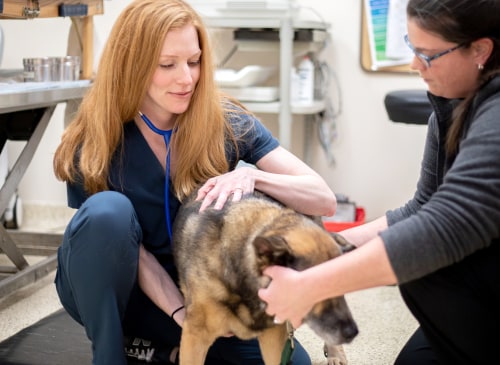
Your pet’s heart works every moment of every day, supporting their energy, movement, and overall health. Just like people, dogs and cats can develop heart conditions at different stages of life. Some problems are present from birth, while others develop gradually with age.
Heart disease does not always show obvious symptoms in the beginning. A pet may seem perfectly happy while an underlying heart condition is developing. Regular veterinary check-ups can help identify early warning signs and ensure your pet receives the right care at the right time.
When a pet needs specialised cardiac attention, cardiology veterinary specialists can provide advanced evaluation, diagnosis, and treatment. Understanding pet heart health can help you recognise possible concerns and know when professional cardiac care may be needed.
What Do Cardiology Veterinary Specialists Do?
Cardiology veterinary specialists focus on diseases and conditions affecting the heart and circulatory system of animals. They have specialised knowledge of cardiac function and use diagnostic tools to understand how well a pet’s heart is working.
A veterinary cardiologist may evaluate pets with heart murmurs, abnormal heart rhythms, breathing difficulties, fainting episodes, or suspected congenital heart conditions.
Depending on your pet’s symptoms, cardiac evaluation may include:
- Physical examination
- Heart and lung auscultation
- Blood pressure measurement
- Electrocardiogram (ECG)
- Echocardiography
- Chest X-rays
- Blood tests
These examinations help create a clearer picture of your pet’s heart health and guide the next steps in treatment.
Common Heart Conditions in Dogs and Cats
Heart disease can affect pets differently depending on their species, breed, age, and overall health. Some conditions are inherited, while others develop over time.
Heart Valve Disease
Heart valve disease is commonly seen in older dogs. When a valve does not function properly, blood flow through the heart can become less efficient.
A heart murmur may be one of the first signs detected during a routine examination.
Cardiomyopathy
Cardiomyopathy refers to diseases affecting the heart muscle. It is particularly important in cats, although certain types can also affect dogs.
Symptoms can include tiredness, breathing changes, weakness, or reduced activity.
Congenital Heart Conditions
Some pets are born with abnormalities affecting the structure of their heart. Early diagnosis can help veterinarians monitor these conditions and determine whether treatment is necessary.
Arrhythmias
An arrhythmia is an abnormal heart rhythm. Some irregular rhythms may have little effect on a pet, while others can affect circulation and require treatment.
Congestive Heart Failure
In advanced heart disease, the heart may struggle to pump blood effectively, potentially resulting in fluid accumulation. Signs may include coughing, breathing difficulties, reduced stamina, or abdominal swelling.
Signs Your Pet May Need Cardiac Care
Pets cannot tell us when something feels wrong, so owners need to watch for changes in their behaviour and physical condition.
Some signs that may warrant a veterinary assessment include:
- Persistent coughing
- Rapid or difficult breathing
- Reduced energy
- Reluctance to exercise
- Weakness
- Fainting or collapse
- Reduced appetite
- Abdominal swelling
- Unusual heart sounds
- Sudden changes in behaviour
Not every symptom means your pet has heart disease. However, unexplained or persistent changes should be discussed with your veterinarian.
Why Regular Heart Check-Ups Matter
Routine veterinary examinations can help identify heart problems before they become more serious. Your veterinarian may hear a heart murmur or notice an irregular rhythm during a standard check-up, even when your pet appears completely healthy.
Early assessment allows the veterinary team to understand whether the finding is harmless or requires further investigation.
Regular check-ups are especially valuable for senior pets and breeds that may have a higher risk of specific cardiac conditions.
How Heart Disease Is Diagnosed
A cardiac examination usually begins with a detailed medical history and physical assessment.
- Echocardiography: An echocardiogram uses ultrasound to create detailed images of the heart. It allows veterinarians to examine the heart chambers, valves, muscle movement, and blood flow.
- Electrocardiogram: An ECG records the electrical activity of the heart. It can help identify abnormal rhythms that may not be detected through a routine examination.
- Chest X-Rays: Radiographs can provide information about heart size and the condition of the lungs and surrounding structures.
- Blood Pressure Testing: Blood pressure measurements can help identify abnormalities that may affect cardiovascular health.
- Blood Tests: Laboratory tests may be recommended to assess your pet’s overall health and support treatment planning.
Compassionate Cardiac Care at Pet Point Veterinary Clinic
At Pet Point Veterinary Clinic, we understand how worrying it can be when your pet develops a heart concern. Our team is committed to providing compassionate veterinary care supported by thorough examinations and advanced diagnostic approaches. We take the time to understand your pet’s symptoms, medical history, lifestyle, and individual needs before recommending the next step.
Whether your pet needs a routine cardiac assessment or further evaluation by cardiology veterinary specialists, Pet Point Veterinary Clinic is here to support you throughout the process. Our goal is to help identify heart concerns early, provide appropriate guidance, and support your pet’s comfort and quality of life. If you have noticed changes in your pet’s breathing, energy, appetite, or activity, speak with our veterinary team and take the first step toward better heart health.
Frequently Asked Questions
1. What does a veterinary cardiologist treat?
A veterinary cardiologist diagnoses and manages heart conditions including valve disease, cardiomyopathy, congenital defects, abnormal rhythms, and congestive heart failure.
2. When should my pet see a heart specialist?
Your pet may need specialist evaluation after detecting a significant murmur, abnormal rhythm, breathing difficulties, fainting, or suspected heart disease.
3. Can cats develop serious heart conditions?
Yes, cats can develop conditions such as cardiomyopathy, sometimes without obvious early symptoms, making regular veterinary examinations especially important for detection.
4. What tests are used to diagnose heart disease?
Common cardiac tests include echocardiography, ECG, chest X-rays, blood pressure measurement, physical examination, and selected laboratory testing when clinically appropriate.
5. Can heart disease be treated in pets?
Many heart conditions can be managed through medications, monitoring, lifestyle adjustments, and supportive veterinary care tailored to each pet’s diagnosis.
6. How can I support my pet’s heart health?
Maintain a healthy weight, provide suitable activity, attend regular check-ups, follow medication instructions, and report unusual symptoms promptly to your veterinarian.