Bringing a pet into your family is a joyful experience, and keeping them healthy is one of the most important responsibilities of pet ownership. Among the many preventive healthcare decisions you’ll make, choosing to spay and neuter your pet is one of the most beneficial for their long-term health and well-being.
Whether you have a playful puppy, an energetic adult dog, a curious kitten, or a mature cat, understanding the benefits of sterilisation can help you make the right decision at the right time. This guide explains everything you need to know about pet spaying, pet neutering, the surgical procedure, recovery, and when your pet should undergo the treatment.
What Is Spaying and Neutering?
Spaying and neutering are routine surgical procedures performed to prevent pets from reproducing.
- Spaying is the surgical removal of the ovaries and usually the uterus in female pets.
- Neutering is the removal of the testicles in male pets.
These procedures are performed under general anaesthesia by experienced veterinary surgeons and are among the most common and safest surgeries in modern veterinary medicine. Choosing to spay and neuter your pet not only prevents unwanted litters but also offers several health and behavioural benefits that improve their quality of life.
Why Is Spaying and Neutering Important?
Spaying and neutering are about much more than population control. They contribute significantly to your pet’s physical health, emotional well-being, and overall lifestyle.
Some of the key benefits include:
- Preventing unwanted pregnancies
- Supporting long-term reproductive health
- Reducing certain behavioural issues
- Lowering the risk of reproductive diseases
- Helping pets live healthier, more comfortable lives
Veterinarians often recommend these procedures as part of a proactive healthcare plan.
Benefits of Pet Spaying
Choosing pet spaying for female pets provides several lifelong health advantages.
- Reduces the Risk of Reproductive Diseases: Spaying eliminates the possibility of uterine infections and significantly reduces the risk of diseases affecting the reproductive organs.
- Prevents Unplanned Litters: Female pets that are spayed cannot become pregnant, helping prevent accidental breeding.
- Reduces Heat Cycles: After surgery, female pets no longer experience heat cycles, which can reduce restlessness and associated behavioural changes.
- Improves Comfort: Many owners notice that their pets become calmer and enjoy a more comfortable lifestyle after recovery.
Benefits of Pet Neutering
There are many reasons why veterinarians recommend pet neutering for male pets.
Reduces Roaming Behaviour
Unneutered male pets may roam in search of mates. Neutering often helps reduce this instinct.
Minimises Certain Behavioural Challenges
Some pets become less likely to display unwanted behaviours such as urine marking or territorial aggression.
Supports Reproductive Health
Neutering reduces the risk of certain reproductive health conditions later in life.
Prevents Unwanted Breeding
It helps prevent accidental mating and unwanted litters within the community.
Spaying and Neutering Cats
Many owners wonder about spaying and neutering cats and when the procedure should be performed.
Cats reach sexual maturity relatively early, making timely sterilisation important.
Benefits for cats include:
- Preventing unwanted kittens
- Reducing roaming tendencies
- Decreasing territorial spraying
- Lowering the risk of reproductive diseases
- Supporting a calmer home environment
Indoor and outdoor cats alike benefit from professional veterinary guidance regarding the best timing for surgery.
When Is the Best Time to Spay or Neuter Your Pet?
The ideal age varies depending on several factors, including:
- Species
- Breed
- Size
- Overall health
- Lifestyle
- Veterinary assessment
While many pets undergo surgery during their first year of life, every pet is different. Your veterinarian will recommend the most appropriate timing based on your pet’s individual needs. Scheduling a consultation ensures the procedure is performed when it offers the greatest long-term benefits.
What Happens During the Procedure?
Spaying and neutering are carefully planned surgical procedures carried out under general anaesthesia.
The process generally includes:
Pre-Surgical Examination
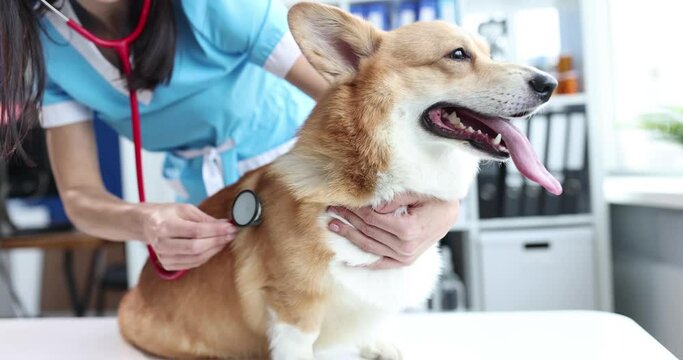
Your veterinarian performs a full physical examination and may recommend blood tests to ensure your pet is fit for anaesthesia.
Anaesthesia
Your pet receives carefully monitored anaesthesia to ensure a comfortable, pain-free procedure.
Surgery
The veterinarian performs the surgery using sterile techniques and advanced surgical equipment.
Monitoring
Throughout the procedure, your pet’s heart rate, breathing, and vital signs are continuously monitored.
Recovery
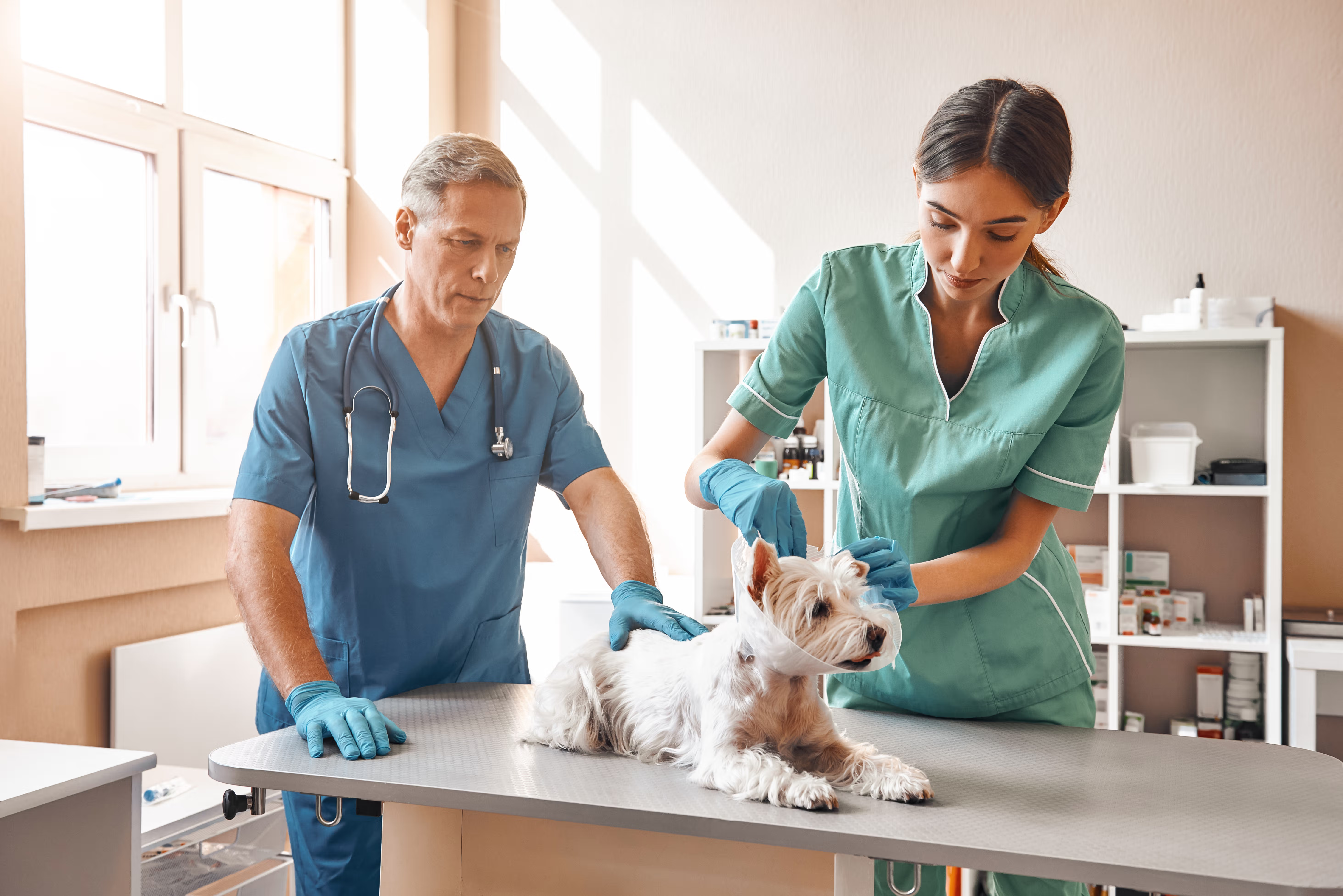
Following surgery, pets are closely observed until they are fully awake and comfortable enough to return home.
Recovery After Spaying or Neutering
Most pets recover smoothly with proper home care.
During recovery, owners should:
- Limit running and jumping
- Prevent excessive licking of the surgical site
- Administer prescribed medications
- Keep the incision clean and dry
- Attend scheduled follow-up appointments
- Monitor appetite and activity
Most pets begin returning to their normal routine within several days, while complete healing generally occurs over the following weeks. Your veterinary team will provide detailed aftercare instructions tailored to your pet.
Signs You Should Contact Your Veterinarian
Although complications are uncommon, contact your veterinarian if you notice:
- Excessive swelling
- Persistent bleeding
- Loss of appetite lasting more than a day
- Vomiting
- Difficulty walking
- Opening of the surgical incision
- Unusual discharge
- Extreme lethargy
Prompt veterinary attention helps ensure a safe recovery.
Choosing Professional Neutering Services
Selecting experienced veterinary professionals is essential for your pet’s comfort and safety. When looking for neutering services in Dubai Silicon Oasis, choose a clinic that offers:
- Experienced veterinary surgeons
- Modern surgical facilities
- Comprehensive pre-surgical evaluations
- Advanced anaesthesia monitoring
- Compassionate post-operative care
- Clear recovery guidance
A trusted veterinary clinic will prioritise both your pet’s medical safety and emotional well-being throughout the entire process.
Give Your Pet a Healthier Future with Pet Point Veterinary Clinic
At Pet Point Veterinary Clinic, we understand that deciding to spay and neuter your beloved companion is an important milestone. Our experienced veterinary team is committed to providing compassionate care before, during, and after every procedure. Using advanced surgical techniques, modern monitoring equipment, and personalised recovery plans, we help ensure your pet remains safe, comfortable, and well cared for throughout their journey.
Whether you’re considering pet spaying for your female companion or pet neutering for your male pet, we take the time to answer your questions and recommend the most suitable approach based on your pet’s age, breed, and health. If you’re searching for trusted neutering services in Dubai Silicon Oasis, Pet Point Veterinary Clinic is here to provide expert care that supports your pet’s lifelong health, comfort, and happiness.
Frequently Asked Questions
1. When should I spay or neuter my pet?
ANS- The ideal timing depends on your pet’s breed, age, size, and health. Your veterinarian will recommend the most suitable age.
2. Is spaying or neutering a safe procedure?
ANS- Yes. These are routine surgical procedures performed under general anaesthesia with careful monitoring to ensure your pet’s safety and comfort.
3. How long does recovery usually take?
ANS- Most pets recover within several days, while complete healing generally takes around ten to fourteen days with proper home care.
4. Will my pet’s personality change after surgery?
ANS- Your pet’s loving personality remains the same. Some unwanted hormone-related behaviours may be reduced, resulting in a calmer and more relaxed companion.
5. Do cats benefit from spaying and neutering?
ANS- Yes. spaying and neutering cats help prevent unwanted litters, reduce roaming, minimise spraying, and support long-term reproductive health.
6. What care does my pet need after surgery?
ANS- Provide rest, restrict vigorous activity, administer prescribed medications, monitor the incision, and attend follow-up appointments for a smooth recovery.