Your dog’s heart does more than pump blood, it fuels every wag, walk, and cuddle. Yet heart disease in dogs often develops quietly, showing signs only when the condition has progressed. Understanding canine heart disease helps pet parents act early, reduce complications, and ensure their dogs live longer, more comfortable lives.
In this guide, we’ll break down heart disease in dogs in a clear, friendly way, covering causes, symptoms, diagnosis, treatment, and how expert care at Pet Point Veterinary Clinic can make all the difference.
What Is Heart Disease in Dogs?
Heart disease refers to conditions that affect how the heart functions. In dogs, it usually falls into two categories:
- Congenital heart disease – Present from birth
- Acquired heart disease – Develops over time, often due to age or lifestyle
These conditions affect the heart’s ability to pump blood efficiently, leading to fatigue, breathing problems, and reduced quality of life if left untreated.
Common Types of Heart Disease in Dogs
Understanding the type of heart condition your dog may face helps guide treatment.
1. Valvular Heart Disease
The most common form, especially in small and senior dogs. It occurs when heart valves weaken and allow blood to flow backward.
2. Dilated Cardiomyopathy (DCM)
Seen more often in large breeds, DCM causes the heart muscle to thin and weaken, reducing pumping efficiency.
3. Congenital Heart Defects
Structural abnormalities present at birth, such as holes in the heart or malformed valves.
Early detection by a veterinary cardiologist specialist significantly improves outcomes for all these conditions.
Early Signs of Heart Disease in Dogs
Dogs can’t tell us when something feels wrong, but their bodies give clues. Watch for:
- Persistent coughing
- Rapid or labored breathing
- Reduced stamina or reluctance to exercise
- Fainting or sudden weakness
- Swollen abdomen
- Weight loss or loss of appetite
If you notice these signs, consulting a dog heart specialist in Dubai is strongly recommended.
Breeds More Prone to Heart Disease
Some dogs are genetically predisposed to cardiac issues, including:
- Cavalier King Charles Spaniels
- Boxers
- Dobermans
- Great Danes
- Dachshunds
If your dog belongs to a high-risk breed, routine cardiac screening is essential—even before symptoms appear.
How Heart Disease Is Diagnosed
Diagnosis involves more than listening to the heart. At a specialized heart veterinary clinic, vets may use:
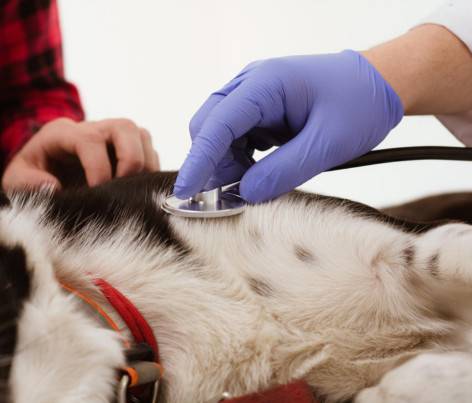
- Physical examination and heart auscultation
- Blood pressure measurement
- ECG (electrocardiogram)
- X-rays to assess heart size
- Ultrasound (echocardiography)
These tools help identify the exact problem and determine its severity.
Treatment Options for Dogs with Heart Disease
While heart disease cannot always be cured, it can often be managed successfully.
Medical Management
Most dogs respond well to medications that:
- Improve heart function
- Control fluid buildup
- Regulate heart rhythm
Lifestyle Adjustments
Diet changes, weight management, and controlled exercise play a big role in supporting heart health.
Ongoing Monitoring
Regular follow-ups ensure medications remain effective and adjustments are made as needed.
Dogs under the care of a dog cardiologist Dubai Silicon Oasis often enjoy a good quality of life with consistent treatment.
Why Early Detection Matters
Catching heart disease early allows veterinarians to:
- Slow disease progression
- Prevent emergency complications
- Improve comfort and longevity
- Reduce long-term treatment costs
Many dogs live happily for years after diagnosis when treatment begins early.
How Often Should Your Dog’s Heart Be Checked?
General recommendations include:
- Annually for adult dogs
- Twice yearly for senior dogs
- Earlier and more frequently for high-risk breeds
Your vet will tailor the schedule based on your dog’s health, age, and breed.
Living with a Dog Diagnosed with Heart Disease
A heart disease diagnosis doesn’t mean the end of joyful days or tail-wagging moments. With proper treatment, routine care, and a little extra attention, dogs with heart conditions can continue to enjoy daily walks, gentle playtime, and meaningful family bonding for many years. The goal is not just managing the condition, but preserving your dog’s quality of life.
Pet parents play a crucial role by:
- Administering medications consistently, exactly as prescribed, to help regulate heart function and prevent complications
- Monitoring breathing patterns, appetite, and activity levels, noting even small changes that may need veterinary attention
- Attending regular follow-up appointments, which allow early detection of progression and timely adjustments to treatment
- Maintaining a calm, low-stress environment, as excitement and anxiety can strain an already sensitive heart
- Providing a balanced diet and controlled exercise, tailored to your dog’s condition and energy levels
Support, education, and ongoing guidance are essential. Partnering with the right veterinary clinic ensures you’re never navigating this journey alone—giving your dog comfort, care, and confidence every step of the way.
Pet Point Veterinary Clinic Protecting Your Dog’s Heart Starts with Awareness
Heart disease may be common in dogs, but it doesn’t have to define their life. With awareness, early diagnosis, and expert veterinary care, your dog can continue to live a fulfilling, active life.
If you’ve noticed any changes in your dog’s energy, breathing, or behavior, don’t wait. A simple checkup today could protect their heart for years to come.
FAQs
1. Can heart disease in dogs be cured?
Most heart conditions are managed rather than cured, but early treatment greatly improves quality of life.
2. At what age should my dog have a heart checkup?
Adult dogs should be screened annually; senior dogs or high-risk breeds may need earlier and more frequent checks.
3. Is heart disease painful for dogs?
The condition itself isn’t painful, but it can cause discomfort if untreated. Proper management keeps dogs comfortable.
4. Can diet help manage heart disease?
Yes. Special diets can reduce strain on the heart and support overall health.
5. Are certain breeds more at risk?
Yes. Small breeds often develop valve disease, while large breeds are more prone to cardiomyopathy.
6. When should I see a specialist instead of a general vet?
If your dog shows persistent symptoms or has a diagnosed heart condition, a cardiology specialist is recommended.