Your pet’s heart works tirelessly, whether they’re chasing a ball, curling up beside you, or greeting you at the door. Yet heart problems in pets often develop silently, showing subtle signs that are easy to miss. By the time symptoms become obvious, the condition may already be advanced.
Understanding the early indicators that your pet needs a heart evaluation can make a life-changing difference. In this guide, we’ll help you recognize those warning signs and explain how timely care at Pet Point Veterinary Clinic can protect your pet’s heart health and overall wellbeing.
Why Heart Health Deserves Special Attention
Heart disease in pets isn’t limited to senior animals. Puppies, kittens, and young adults can also develop congenital or acquired cardiac conditions. Because symptoms may be mild at first, regular monitoring and awareness are essential.
A professional heart assessment at a trusted animal veterinary clinic ensures early detection, better treatment options, and a longer, healthier life for your pet.
Indicator #1: Unusual Fatigue or Reduced Activity
If your once-energetic pet now tires quickly or avoids play, their heart may be struggling to pump blood efficiently.
Watch for:
- Reluctance to exercise
- Stopping frequently during walks
- Sleeping more than usual
While fatigue can have many causes, persistent low energy should never be ignored and warrants a heart checkup.
Indicator #2: Persistent Coughing or Breathing Changes
Coughing, especially at night or after activity, can be a key sign of heart disease in dogs. In cats, breathing changes may appear instead.
Red flags include:
- Rapid or labored breathing
- Open-mouth breathing in cats
- Wheezing or coughing when lying down
These symptoms may indicate fluid buildup around the lungs due to heart dysfunction and require immediate veterinary evaluation.
Indicator #3: Fainting, Weakness, or Sudden Collapse
Episodes of fainting or collapse can be frightening, and they often point to heart rhythm problems or reduced blood flow to the brain.
Even if your pet recovers quickly, this is a medical emergency and should be assessed promptly through a specialized heart examination.
Indicator #4: Bluish or Pale Gums
Healthy gums should be pink and moist. Pale, grayish, or bluish gums may indicate poor oxygen circulation caused by heart disease.
Checking your pet’s gum color occasionally is a simple but powerful way to monitor heart health, especially in breeds prone to cardiac conditions.
Indicator #5: Swollen Abdomen or Weight Changes
Heart disease can cause fluid retention, leading to a swollen belly or unexplained weight gain. Conversely, some pets may lose weight due to poor circulation and appetite changes.
If you notice sudden body changes without diet adjustments, it’s time for a professional heart evaluation.
Indicator #6: Restlessness and Difficulty Sleeping
Pets with heart discomfort may struggle to find a comfortable sleeping position. You may notice:
- Pacing at night
- Refusal to lie flat
- Sleeping with the head elevated
These behaviors can signal breathing discomfort linked to heart issues.
Indicator #7: Breed or Age-Related Risk Factors
Some breeds are genetically predisposed to heart conditions, including:
- Cavalier King Charles Spaniels
- Boxers
- Dobermans
- Maine Coon cats
Senior pets are also at higher risk. Regular screening helps catch problems before symptoms escalate.
What Happens During a Pet Heart Checkup?
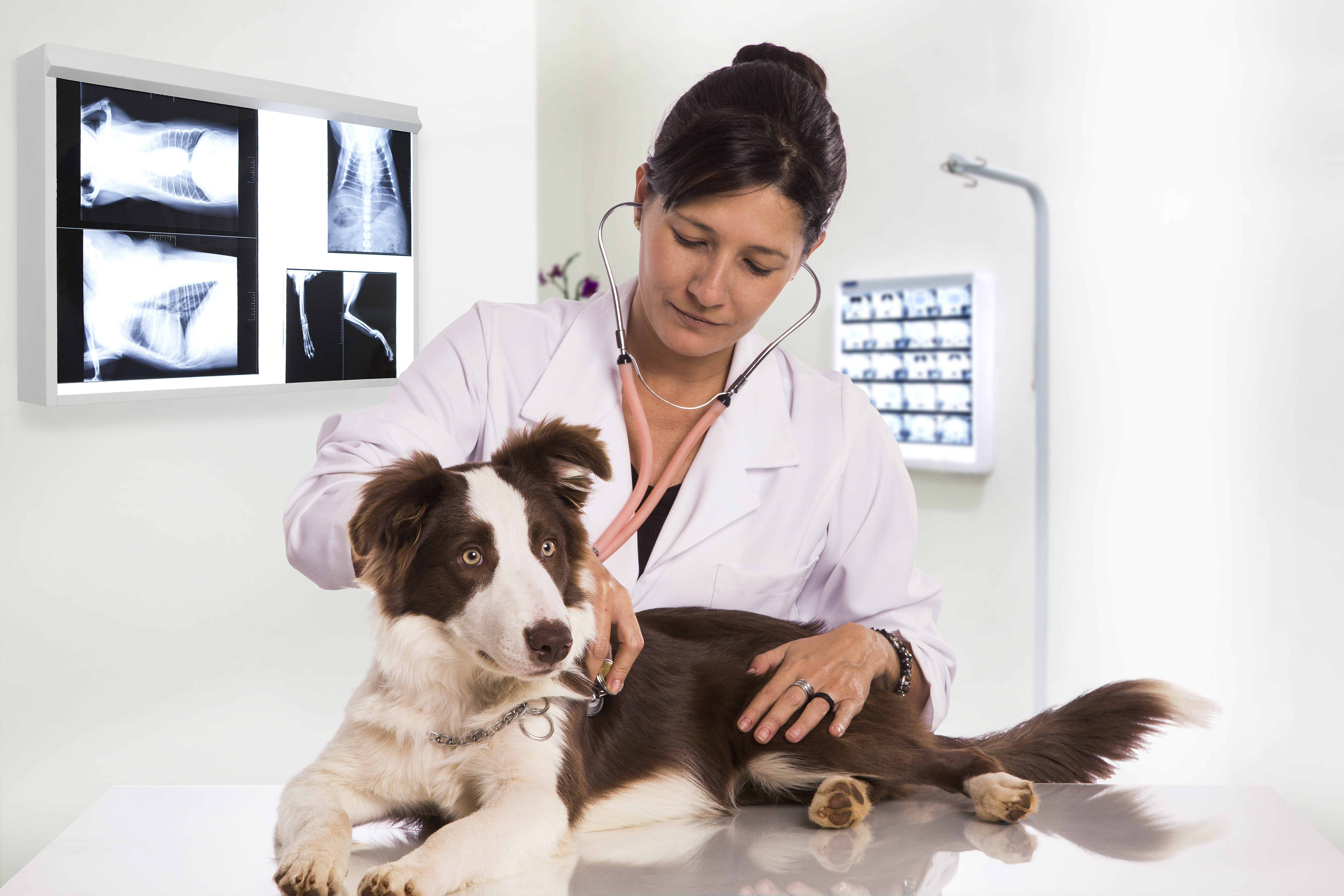
A comprehensive heart evaluation goes beyond a basic exam. At Pet Point Veterinary Clinic, heart checkups are tailored to your pet’s needs and may include:
- Detailed physical examination
- Heart and lung auscultation
- Blood pressure measurement
- Diagnostic imaging or ECG if required
If you’re concerned about pet heart check up cost, the clinic maintains transparent pricing and explains all recommended tests before proceeding.
Understanding Heart Checkup Costs in Dubai
Pet parents often worry about affordability when it comes to specialized care. The pet heart check up price can vary depending on diagnostic requirements, but early detection often reduces long-term treatment costs.
At Pet Point, pet owners seeking a pet heart checkup in Dubai Silicon Oasis receive personalized care plans that balance medical necessity with budget considerations.
Why Early Diagnosis Makes a Big Difference
Catching heart disease early allows veterinarians to:
- Slow disease progression
- Improve quality of life
- Reduce emergency risks
- Extend lifespan
Many pets with diagnosed heart conditions live happy, active lives with proper monitoring and treatment.
How Often Should Your Pet’s Heart Be Checked?
General recommendations include:
- Annually for healthy adult pets
- Twice yearly for senior pets
- More frequently for high-risk breeds
Your veterinarian will guide you on the ideal schedule based on age, breed, and medical history.
Pet Point Veterinary Clinic: A Healthy Heart Means More Happy Moments
Your pet can’t tell you when something feels wrong, but their body gives clues. By recognizing early signs and seeking timely veterinary care, you’re giving your pet the gift of comfort, longevity, and countless joyful moments by your side.
If you’ve noticed any of these indicators, don’t wait. Schedule a heart evaluation at Pet Point Veterinary Clinic today and take a proactive step toward protecting your pet’s most vital organ.
FAQs
1. When should I schedule my pet’s first heart checkup?
Adult pets should have heart evaluations during annual wellness visits, or sooner if symptoms appear.
2. Are heart checkups only for older pets?
No. Young pets and certain breeds can develop heart issues early and benefit from screening.
3. Is a heart checkup painful for pets?
No. Most heart exams are non-invasive and stress-free.
4. What symptoms require immediate attention?
Fainting, severe breathing difficulty, or sudden collapse require urgent veterinary care.
5. Can heart disease be managed long-term?
Yes. With early diagnosis and proper treatment, many pets live full, happy lives.
6. How do I know if my pet needs advanced heart testing?
Your veterinarian will recommend further tests based on exam findings and symptoms.