Your pet’s mouth does more than chew food or flash an adorable grin, it can reveal a lot about their overall health. Dental problems in pets often develop quietly, without obvious pain or dramatic symptoms. By the time clear discomfort shows, the issue may already be advanced.
Understanding the early warning signs that indicate your pet needs professional dental care can help prevent pain, infection, and serious health complications. Let’s explore the most important indicators, and how timely dental care at Pet Point Veterinary Clinic can protect your pet’s comfort and long-term wellbeing.
Why Dental Health Is a Big Deal for Pets
Dental disease is one of the most common health issues affecting cats and dogs. Plaque and tartar buildup can begin as early as a few months of age and worsen over time if left untreated.
Poor oral hygiene doesn’t just affect teeth and gums. Oral bacteria can enter the bloodstream and impact vital organs such as the heart, liver, and kidneys. That’s why access to reliable pets oral health services is essential for every pet, regardless of age or breed.
Indicator #1: Persistent Bad Breath That Doesn’t Go Away
Occasional “dog breath” is normal, but strong, foul, or worsening odor is not.
Chronic bad breath is often the first sign of:
- Tartar buildup
- Gum infection
- Tooth decay
If brushing or dental treats don’t improve the smell, professional pets dental cleaning Dubai may be necessary to remove bacteria hiding below the gumline.
Indicator #2: Red, Swollen, or Bleeding Gums
Healthy gums should be pink and firm. If you notice redness, swelling, or bleeding, especially during chewing or brushing, it’s a clear sign of gingivitis or periodontal disease.
Inflamed gums are painful, even if your pet doesn’t show it. Early treatment through pets dental scaling can reverse gum disease and prevent tooth loss.
Indicator #3: Visible Tartar or Discolored Teeth
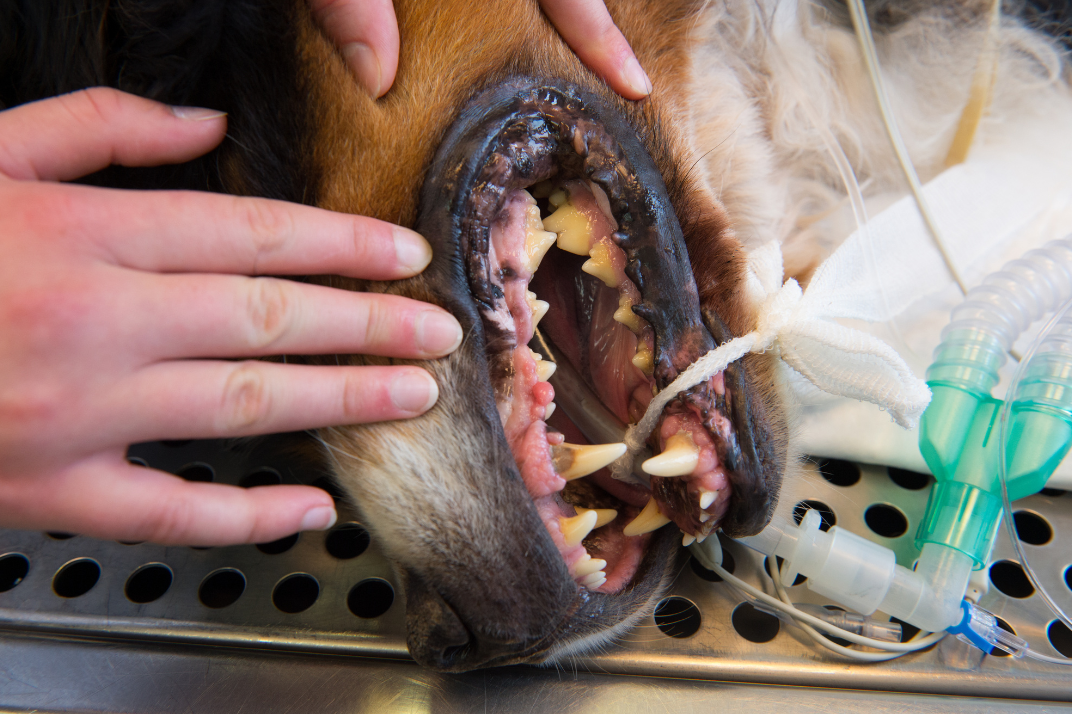
Yellow or brown buildup on your pet’s teeth isn’t just cosmetic, it’s hardened plaque that brushing alone can’t remove.
Tartar creates the perfect environment for bacteria to thrive, leading to infection and gum recession. Professional dental scaling and polishing are the safest and most effective ways to restore oral health.
Indicator #4: Difficulty Eating or Chewing
If your pet:
- Eats slower than usual
- Drops food while chewing
- Avoids hard kibble
- Chews on only one side
These behaviors may signal dental pain. Many pets adapt quietly, so changes in eating habits should never be ignored. Timely care at a clinic offering pets dental services in Dubai Silicon Oasis can relieve pain and restore normal eating habits.
Indicator #5: Pawing at the Mouth or Facial Swelling
Pets often try to soothe oral discomfort by rubbing their face or pawing at their mouth. Facial swelling, especially near the jaw or under the eyes, may indicate:
- Tooth root infection
- Abscess
- Advanced periodontal disease
These conditions require immediate veterinary attention to prevent the spread of infection.
Indicator #6: Loose or Missing Teeth
Adult pets should not lose teeth naturally. Loose or missing teeth are signs of advanced dental disease and bone loss around the tooth roots.
At this stage, professional intervention is essential to manage pain, remove infected teeth if necessary, and protect surrounding tissues.
Indicator #7: Changes in Behavior or Mood
Dental pain can affect your pet’s personality. You may notice:
- Irritability
- Withdrawal
- Reduced playfulness
- Resistance to being touched near the face
These subtle changes are often mistaken for aging or mood swings but may actually be signs of chronic oral discomfort.
Why Professional Dental Care Makes a Difference
Home care is helpful, but it cannot replace professional treatment. Dental issues often develop below the gumline, where brushing and chews can’t reach.
At Pet Point Veterinary Clinic, professional dental care includes:
- Comprehensive oral examination
- Safe anesthesia protocols
- Scaling to remove plaque and tartar
- Polishing to slow future buildup
- Treatment planning tailored to your pet’s needs
This approach ensures comfort, safety, and long-lasting results.
Is Dental Treatment Safe for Older Pets?
Yes, when done properly. Senior pets often benefit the most from dental care, as untreated oral disease can worsen existing health conditions.
Before any procedure, Pet Point’s veterinary team performs:
- Pre-anesthetic blood tests
- Full health evaluations
- Customized anesthesia plans
This careful process allows pets of all ages to receive dental treatment safely and comfortably.
Preventive Dental Care: What Pet Parents Can Do
While professional care is essential, daily habits at home help maintain results.
Simple Preventive Tips
- Brush your pet’s teeth using pet-safe toothpaste
- Offer vet-approved dental chews
- Schedule regular dental checkups
- Don’t ignore subtle changes in eating or behavior
Consistency is key, small efforts can prevent major dental problems down the line.
Pet Point Veterinary Clinic: A Healthy Mouth Means a Healthier, Happier Pet
Dental problems don’t just affect your pet’s mouth, they influence their entire body and quality of life. Recognizing early warning signs and seeking professional care can spare your pet unnecessary pain and protect their overall health.
If you’ve noticed any of these indicators, now is the perfect time to schedule a dental evaluation at Pet Point Veterinary Clinic. Because every happy tail wag and gentle purr starts with a healthy smile.
FAQs
1. How often should my pet have professional dental cleaning?
Most pets benefit from professional dental cleaning once a year, though some may need it more frequently.
2. Is bad breath always a sign of dental disease?
Persistent bad breath is usually linked to oral bacteria and should be checked by a vet.
3. Can dental disease really affect my pet’s organs?
Yes. Bacteria from the mouth can enter the bloodstream and impact the heart, kidneys, and liver.
4. Is anesthesia necessary for dental cleaning?
Yes. Anesthesia ensures thorough cleaning below the gumline and keeps your pet safe and comfortable.
5. Are dental procedures painful for pets?
Pets receive pain management before and after procedures, ensuring minimal discomfort and smooth recovery.
6. Can I prevent dental disease at home?
Home care helps, but it should be combined with regular professional dental checkups for best results.