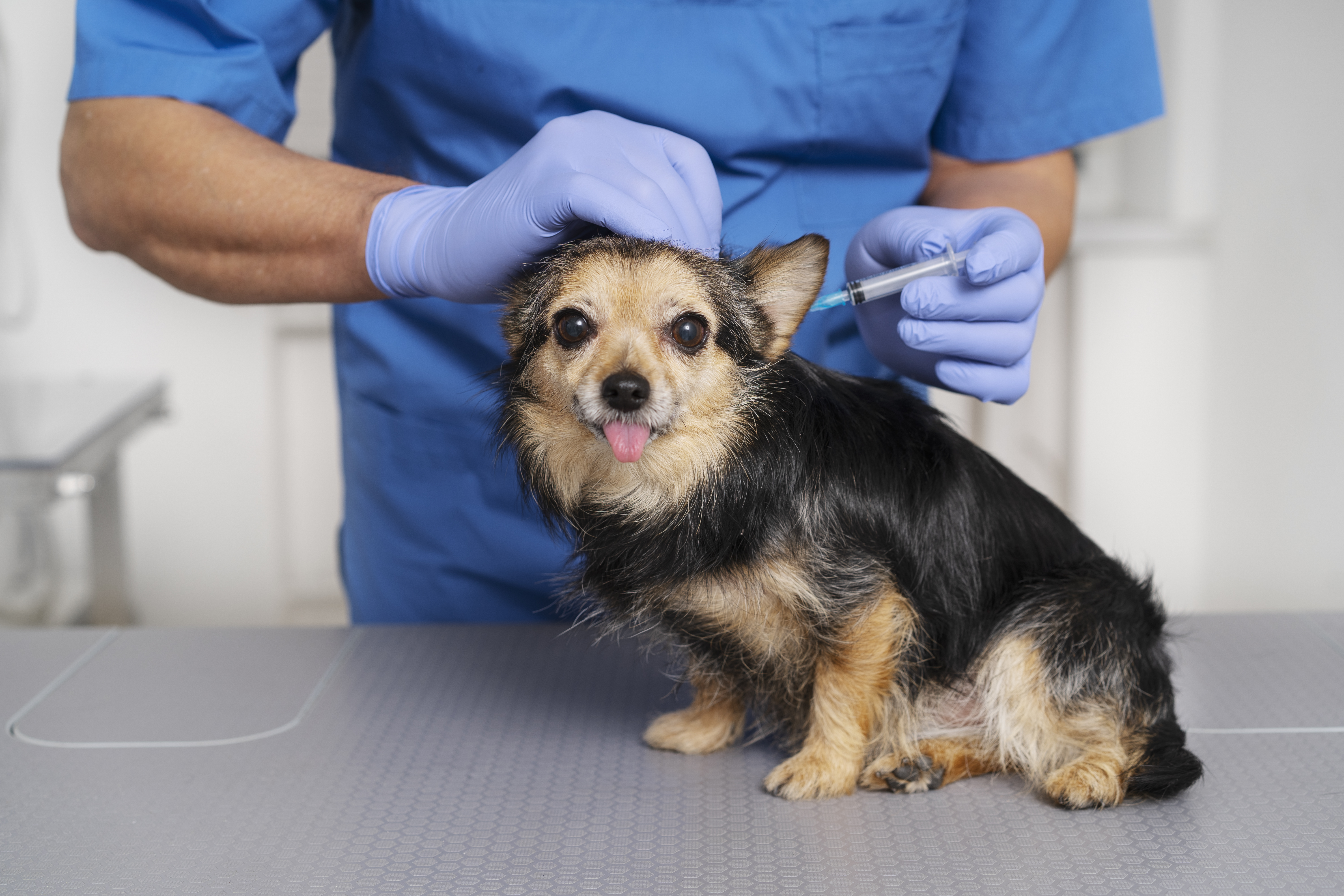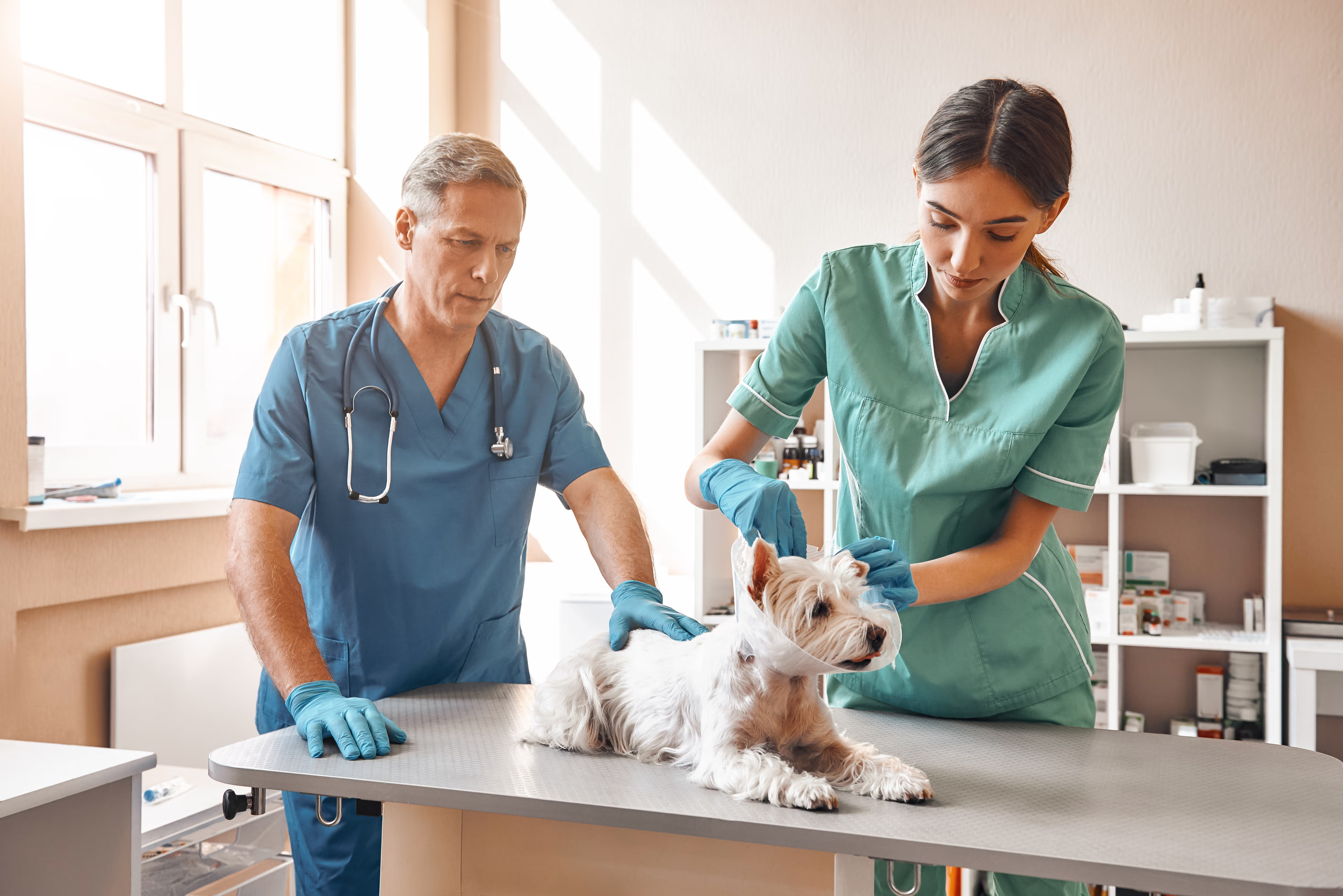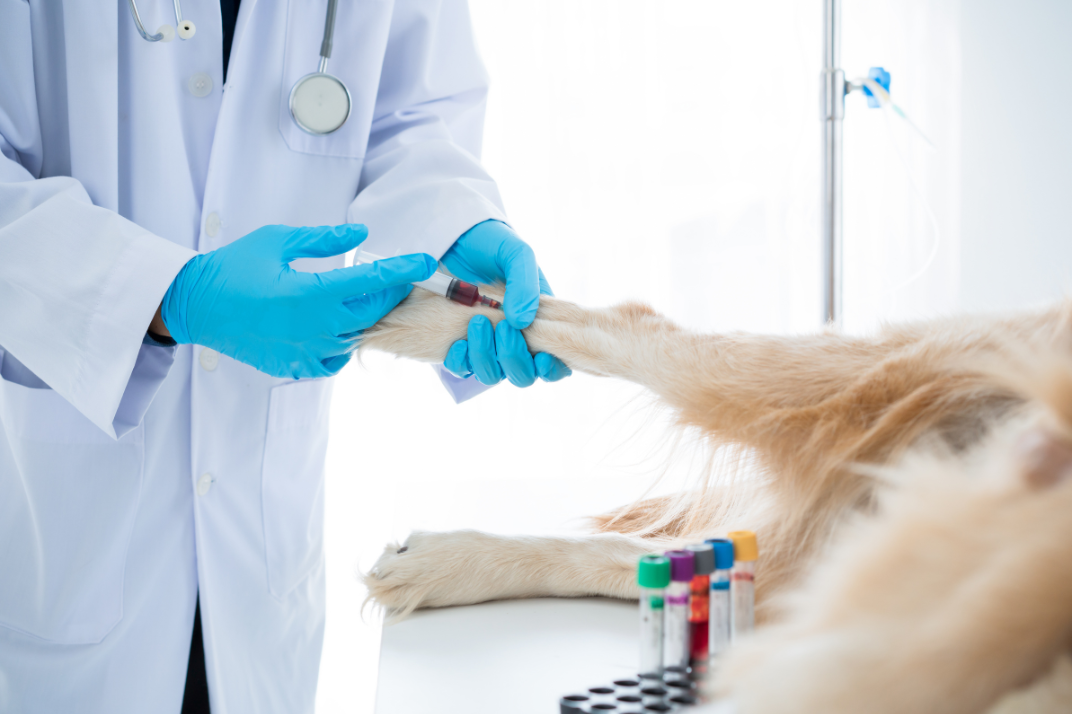
Spaying is one of the most important decisions you can make for your pet’s long-term health and well-being. Whether you’re spaying your dog in Dubai for health reasons, behavioral improvement, or responsible pet parenting, understanding the full process can make the experience smooth and stress-free, for both you and your furry friend.
At Pet Point Veterinary Clinic, we believe in keeping pet parents informed, confident, and comfortable. This guide walks you through every stage of the spaying process-before, during, and after, so you know exactly what to expect and how to support your pet every step of the way.
Why Spaying Matters: A Loving Choice for Long-Term Health
Spaying does much more than prevent unwanted litters. It significantly reduces the risk of:
- Life-threatening uterine infections
- Ovarian and mammary cancers
- Hormone-driven behaviors like roaming or aggression
- Heat cycles that may attract male animals or cause stress
Modern veterinary care in Dubai ensures the procedure is safe, quick, and performed using advanced monitoring and anesthesia. Clinics like Pet Point prioritize comfort, safety, and gentle handling, which makes the experience easier for everyone involved.
Before the Procedure: How to Prepare Your Pet
Preparation is key to ensuring a safe and smooth spay surgery. Here’s what your vet will usually recommend:
1. Pre-Surgical Consultation and Health Review
Before the surgery, your veterinarian will conduct a thorough physical examination. This includes:
- Checking heart and lung health
- Assessing weight and overall physical condition
- Reviewing vaccination and medical history
- Performing blood tests (if needed) to evaluate organ function
Pet Point’s veterinarians take time to explain the procedure, answer questions, and assess whether your pet is fit for anesthesia. This step is essential, especially if you’re choosing a spaying clinic in Dubai Silicon Oasis where high clinical standards and personalized care are expected.
2. Fasting Before Surgery
Most pets must fast before anesthesia. Your vet will instruct you to:
- Remove food 8–12 hours before surgery
- Allow water until a few hours prior (depending on vet guidance)
This reduces the risk of vomiting during anesthesia and keeps the procedure safe.
3. Reduce Stress on Surgery Day
On the day of surgery:
- Keep your pet calm
- Ensure they’ve had a short walk
- Transport them in a secure crate or with a harness
A calm start helps reduce anxiety and supports smoother recovery later.
During the Procedure: What Happens Behind the Scenes
To many pet parents, the actual surgery feels like a mystery-so here’s a clear, simple breakdown of what happens once your pet enters the operating room.
1. Gentle Anesthesia and Monitoring
Once admitted, your pet is placed under general anesthesia for a painless experience. Throughout the surgery, the veterinary team monitors:
- Heart rate
- Oxygen levels
- Breathing
- Body temperature
At Pet Point, advanced monitoring equipment ensures the procedure is as safe as possible.
2. The Surgical Process
The spay surgery typically involves:
- A small incision in the abdomen
- Removal of the ovaries (and sometimes the uterus)
- Precise suturing to close the incision
The procedure typically lasts 30–60 minutes depending on the pet’s age, size, and medical condition.
3. Quiet Recovery Immediately After
After surgery, your pet is moved to a warm, quiet recovery area. Trained technicians:
- Monitor vital signs
- Keep your pet calm
- Ensure a smooth wake-up from anesthesia
Once your pet is alert and stable, the clinic will contact you for pick-up along with detailed aftercare instructions.
After the Procedure: Supporting Your Pet’s Healing
Proper aftercare is just as important as the surgery itself. Here’s what to expect once your pet is home.
1. Mild Discomfort Is Normal
Your pet may experience:
- Drowsiness
- Temporary loss of appetite
- Soreness at the incision site
Your vet may prescribe pain relief medication to keep your pet comfortable.
2. Limit Activity for 10–14 Days
To protect the incision site:
- No running, jumping, or rough play
- Short, gentle leash walks only
- Avoid stairs where possible
This prevents complications like swelling or incision opening.
3. Protect the Incision
Most pets must wear an e-collar to stop licking or biting the incision. You should also:
- Check the area daily for redness or swelling
- Keep the incision completely dry
- Avoid baths for at least 10 days
If anything looks unusual, your vet for neutering or spaying will recheck the site.
4. Follow-Up Visit
A follow-up appointment ensures everything is healing properly. Stitches may dissolve on their own, or your vet will remove them safely.
Spaying and Neutering: A Preventive Step for a Better Life
Choosing spaying and neutering your pets is a loving, responsible decision that provides benefits throughout your pet’s lifetime-better behavior, reduced cancer risk, and increased overall comfort.
At Pet Point Veterinary Clinic, every aspect of the procedure-preparation, surgery, and recovery, is handled with expertise, warmth, and compassion. Whether you’re spaying your dog in Dubai for medical, behavioral, or preventive reasons, Pet Point offers the supportive and professional care your pet deserves.
Pet Point Veterinary Clinic: Your Trusted Partner for Safe Spaying in Dubai
From advanced surgical monitoring to gentle recovery support, Pet Point provides a seamless, stress-free spay experience for pets and their families. Their skilled team ensures your pet feels safe, understood, and loved from the moment they enter the clinic until they’re fully healed.
FAQs:
1. What is the right age to spay my dog or cat?
Most pets can be spayed between 5–7 months of age, but it can vary depending on breed and health. Your vet will guide you based on your pet’s specific needs.
2. How long is the recovery period after spaying?
Most pets recover well within 10–14 days. During this time, activity should be limited, and the incision must be monitored daily.
3. Is spaying painful for my pet?
Your pet will not feel pain during the surgery due to anesthesia. Post-operative pain is managed with safe medications to ensure a comfortable healing process.